


x

Giclée- oder Leinwanddruck in Museumsqualität mit schneller Produktion und flexiblen Veredelungsoptionen. ( Handgemalte Reproduktion bestellen Bild kaufen)
Wählen Sie aus unseren vordefinierten Formaten, die den ursprünglichen Proportionen des Kunstwerks entsprechen.

Sie können Ihre eigenen Maße eingeben, um ein bestimmtes Format oder einen speziellen Platz einzupassen. Wenn das von Ihnen gewählte Format nicht den Proportionen des Originalbildes entspricht, werden wir das Kunstwerk entweder beschneiden oder das Bild mit einem gespiegelten oder einfarbigen Rand erweitern. Ein digitaler Entwurf wird Ihnen zur Genehmigung zugesandt, bevor die Produktion beginnt.
Bitte beachten Sie, dass die Vorschau auf dem Bildschirm nicht den tatsächlichen Zuschnitt oder die Erweiterung widerspiegelt. Nur der Entwurf zeigt die endgültige Komposition präzise an.
Obwohl Sondermaße verfügbar sind, empfehlen wir die Auswahl eines Maßes aus der vordefinierten Liste, um die ursprünglichen Proportionen zu bewahren.
Weltweiter Versand () innerhalb von 2 Wochen statt der üblichen 4/5 Wochen. (22 August)


Still Life mit Zitronen
Format der Reproduktion
Georges Braque’s “Still Life with Lemons,” painted in 1910, stands as a cornerstone of Cubism, representing not merely an observation of the natural world but a radical reimagining of how it could be depicted. This deceptively simple composition—six lemons arranged on a wooden tabletop—embodies the core tenets of Picasso and Braque’s groundbreaking artistic approach.
Cubism, born from the collaborative efforts of Picasso and Braque, rejected the illusionistic techniques prevalent in Impressionism and Neoclassicism. Instead of striving to reproduce visual reality faithfully, Cubist painters dissected objects into geometric planes—cubes, cylinders, and cones—presenting multiple perspectives simultaneously on a single canvas. In “Still Life,” this fragmentation is palpable; the lemons are rendered as fractured forms, their surfaces broken down into angular shapes that overlap and intersect.
Braque employed a muted color palette dominated by earthy tones—ochre yellows, browns, and greens—reflecting the influence of Cézanne’s exploration of tonal values. However, he skillfully utilized subtle variations in hue to create depth and luminosity. The wooden tabletop is depicted with textured brushstrokes that convey its materiality, adding another layer of visual interest. Careful attention was paid to capturing the interplay between light and shadow, furthering the painting's expressive qualities.
"Still Life with Lemons" emerged during a period of intense artistic experimentation in Paris—the Belle Époque—characterized by a fervent embrace of new ideas and styles. The painting directly responds to Cézanne’s pioneering work in simplifying forms and emphasizing underlying structure, signaling a decisive break from traditional representation. It aligns itself with the broader movement toward abstraction that was reshaping European art.
While seemingly devoid of overt narrative content, “Still Life” carries symbolic weight. Lemons, traditionally associated with freshness and vitality—particularly in Mediterranean cultures—represent optimism and renewal. Their arrangement on the tabletop underscores the importance of context and suggests a deliberate consideration of visual relationships. Braque’s artistic choices transcend mere depiction; they invite contemplation about perception and the nature of reality.
Despite its geometric complexity, “Still Life with Lemons” evokes a profound sense of tranquility and introspection. The subdued colors and textured surfaces contribute to an atmosphere of understated elegance—a testament to Braque’s mastery of artistic technique. Viewing this painting inspires a quiet appreciation for the beauty of simplicity and encourages viewers to engage in a meditative exploration of form, color, and texture.

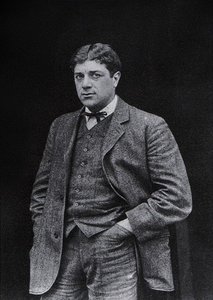
1882 - 1963 , Frankreich

Explore the revolutionary world of Cubism. Discover how masters Pablo Picasso and Georges Braque dismantled reality through geometric abstraction to redefine modern art history.

Explore the revolutionary world of Cubism. Discover how Pablo Picasso and Georges Braque dismantled perspective to redefine modern art through geometric innovation and analytical mastery. An essential guide for art students, collectors, and history enthusiasts.

Master the complexities of Cubism with our expert guide. Explore how Picasso and Braque revolutionized modern art through fragmentation, multiple perspectives, and geometric innovation. Perfect for art students and collectors seeking deep historical insight.

Explore the revolutionary world of Cubism. From Picasso's analytical deconstruction to Braque's geometric forms, master the history of fragmentation and modern art through this expert guide for students and collectors.


Bleiben Sie über die neuesten Kunstnachrichten, exklusive Angebote und Dekorationsideen auf dem Laufenden.
Erzählen Sie uns von Ihrem Projekt, und unsere Kunstexperten erstellen für Sie drei personalisierte Kunstvorschläge.
Wir kuratieren 3 Optionen exklusiv für Sie – kostenlos!


 Vorschau anzeigen
 Versenden
 Teilen
 Details anzeigen

 Herunterladen
 Ähnliche Objekte
 Röntgenaufnahme
 Diashow
 Weiterlesen




































 Die Glasoption ist nur für Größen unter 110 cm verfügbar.


