


x

Handgemaltes Ölgemälde auf Leinwand in Ihrer Wunschgröße und mit Rahmen, auf Bestellung von unseren Künstlern angefertigt. ( Druck bestellen Bild kaufen)





























Wählen Sie aus unseren vordefinierten Formaten, die den ursprünglichen Proportionen des Kunstwerks entsprechen.

Sie können Ihre eigenen Maße eingeben, um einen bestimmten Rahmen oder Platz auszufüllen. Wenn die gewählte Größe nicht den Proportionen des Originalbildes entspricht, werden wir das Kunstwerk entweder beschneiden oder das Gemälde durch zusätzliche, handgemalte Elemente erweitern. Ein digitales Mockup wird Ihnen zur Genehmigung zugesandt, bevor die Produktion beginnt.
Bitte beachten Sie, dass die Bildschirmvorschau nicht die tatsächliche Beschneidung oder Erweiterung widerspiegelt. Nur das Mockup zeigt die endgültige Komposition exakt an.
Obwohl Sondermaße verfügbar sind, empfehlen wir, eine Größe aus der vordefinierten Liste zu wählen, um die ursprünglichen Proportionen beizubehalten.
Weltweiter Versand () in nur 3 bis 4 Wochen statt der üblichen 5 Wochen. (20 August). Keine Kompromisse bei der Qualität.


Yellow Seacoast
Format der Reproduktion
In the quiet evolution of modern art, few works capture the delicate balance between structural revolution and serene observation as masterfully as Georges Braque’s Yellow Seacoast. This evocative seascape serves as a window into a pivotal moment in art history, where the boundaries of traditional representation began to dissolve. At first glance, the viewer is greeted by a tranquil ocean surface, dotted with several boats adrift upon the gentle swells. The composition is anchored by a prominent yellow boat that acts as a radiant focal point, standing out against the more muted tones of the surrounding water. As the eye wanders across the canvas, one might notice smaller vessels and the subtle presence of figures near the shoreline, all rendered through a lens that prioritizes the essence of the scene over mere photographic accuracy.
The technique employed in this masterpiece is a profound testament to the birth of Cubism. Moving away from the fleeting, light-drenched impressions of the Impressionist era, Braque utilizes fragmented geometric forms and multiple perspectives to dismantle the traditional view of space. Through this method, the artist explores the underlying structure of the coastal landscape, creating a rhythmic interplay between light and shadow. The palette is a sophisticated arrangement of earthy tones—ochre yellows, deep browns, and calming blues—which work in harmony to create an atmosphere of understated elegance. This deliberate use of color and form allows the painting to transcend simple depiction, offering instead a complex spatial relationship that invites the viewer to reconstruct the scene within their own mind.
Painted during the transformative years of 1907-1908, Yellow Seacoast emerged from the fertile ground of Braque’s collaboration with Pablo Picasso. This period was marked by a radical departure from the past, heavily influenced by the structural explorations of Paul Cézanne. By deconstructing the landscape into its fundamental components, Braque participated in a quiet revolution that would redefine the trajectory of 20th-century art. The historical weight of this piece lies in its role as a precursor to the more analytical stages of Cubism, capturing the very moment when the artist began to question how we perceive reality and the stability of the objects within our field of vision.
Beyond its technical brilliance, the painting is rich with symbolic resonance. The vibrant yellow boat is not merely a subject but a symbol of optimism and vitality, providing a spark of life against the vast, contemplative backdrop of the sea. The interplay of colors carries deep emotional weight; the warm ochres evoke a sense of nostalgia and warmth, while the blues instill a mood of profound calmness and introspection. For the collector or interior designer, this artwork offers more than just visual beauty; it provides an emotional anchor. It is a piece that invites quiet reflection, making it an ideal centerpiece for spaces designed for contemplation, peace, and a deep connection with the natural world.

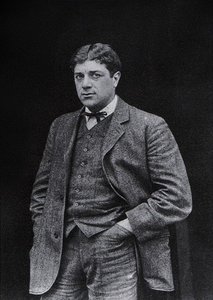
1882 - 1963 , Frankreich

Explore the revolutionary world of Cubism. Discover how Pablo Picasso and Georges Braque dismantled perspective to redefine modern art through geometric innovation and analytical mastery. An essential guide for art students, collectors, and history enthusiasts.

Explore the revolutionary world of Cubism. Discover how masters Pablo Picasso and Georges Braque dismantled reality through geometric abstraction to redefine modern art history.

Master the complexities of Cubism with our expert guide. Explore how Picasso and Braque revolutionized modern art through fragmentation, multiple perspectives, and geometric innovation. Perfect for art students and collectors seeking deep historical insight.


Bleiben Sie über die neuesten Kunstnachrichten, exklusive Angebote und Dekorationsideen auf dem Laufenden.
Erzählen Sie uns von Ihrem Projekt, und unsere Kunstexperten erstellen für Sie drei personalisierte Kunstvorschläge.
Wir kuratieren 3 Optionen exklusiv für Sie – kostenlos!


 Vorschau anzeigen
 Versenden
 Teilen
 Details anzeigen

 Herunterladen
 Ähnliche Objekte
 Röntgenaufnahme
 Diashow

 Weiterlesen







 Die Glasoption ist nur für Größen unter 110 cm verfügbar.


