


x

 DrawingWallArtImpressionism
 189419th Century
 32.0 x 21.0 cm
 Musée de Pont-Aven
Giclée- oder Leinwanddruck in Museumsqualität mit schneller Produktion und flexiblen Veredelungsoptionen. ( Handgemalte Reproduktion bestellen Bild kaufen)





























Wählen Sie aus unseren vordefinierten Formaten, die den ursprünglichen Proportionen des Kunstwerks entsprechen.

Sie können Ihre eigenen Maße eingeben, um ein bestimmtes Format oder einen speziellen Platz einzupassen. Wenn das von Ihnen gewählte Format nicht den Proportionen des Originalbildes entspricht, werden wir das Kunstwerk entweder beschneiden oder das Bild mit einem gespiegelten oder einfarbigen Rand erweitern. Ein digitaler Entwurf wird Ihnen zur Genehmigung zugesandt, bevor die Produktion beginnt.
Bitte beachten Sie, dass die Vorschau auf dem Bildschirm nicht den tatsächlichen Zuschnitt oder die Erweiterung widerspiegelt. Nur der Entwurf zeigt die endgültige Komposition präzise an.
Obwohl Sondermaße verfügbar sind, empfehlen wir die Auswahl eines Maßes aus der vordefinierten Liste, um die ursprünglichen Proportionen zu bewahren.
Weltweiter Versand () innerhalb von 2 Wochen statt der üblichen 4/5 Wochen. (20 August)


Hand and apron study
Format der Reproduktion
This evocative drawing, titled "Hand and apron study," offers an intimate glimpse into a moment of quiet domesticity, rendered with the meticulous precision characteristic of late 19th-century academic draftsmanship. The subject matter itself—a hand delicately interacting with a piece of cloth—transcends mere representation; it becomes a meditation on human skill, texture, and gesture. Georges Lacombe captures the very act of folding or tucking fabric into a pocket, an everyday ritual elevated to the level of high art. Observe how the artist has paid such careful attention not only to the sinewy structure of the fingers and knuckles but also to the subtle weight and drape of the material itself. It is a study in restraint, where profound observation speaks volumes without uttering a single word.
Executed in black and white drawing media, this piece showcases Lacombe’s exceptional technical prowess. The artist employs line work with the delicacy of a calligrapher and the confidence of an anatomist. The contrast between the skin tones—rendered through nuanced graphite or charcoal washes—and the folds of the apron fabric is breathtaking. One can almost feel the slight resistance of the material against the warmth of the hand. This level of detail suggests that Lacombe was not merely documenting a scene, but actively practicing his ability to translate complex tactile sensations onto paper. For collectors and admirers of fine draftsmanship, this work serves as a masterclass in rendering texture through pure line.
Dating from 1894, "Hand and apron study" places us squarely within the vibrant, transitional period of late French art. While Lacombe’s background connects him to the Impressionist milieu, this piece leans into a more classical, academic dedication to *study*. During this era, artists were constantly balancing the fleeting immediacy of modern life with the enduring value of traditional draughtsmanship. This drawing embodies that tension—it is contemporary in its subject matter yet executed with a formal rigor that honors centuries of artistic tradition. It speaks to an age where the meticulous recording of human experience remained paramount.
Beyond the technical brilliance, there lies a subtle emotional resonance. The act depicted—the careful handling of clothing—can symbolize preparation, transition, or even the quiet containment of emotion. The apron itself suggests roles, domesticity, and service, yet Lacombe elevates this humble subject by focusing intensely on the *human* element interacting with it. It invites the viewer to pause their own hurried lives and consider the beauty inherent in routine actions. For those seeking art that connects deeply with lived experience, this piece offers a moment of profound, quiet contemplation.
Owning a reproduction of "Hand and apron study" is to bring home not just an image, but a conversation across time. Whether displayed in a gallery setting or integrated into a thoughtfully curated interior space, its monochromatic elegance provides a sophisticated anchor. It pairs beautifully with rich wood tones, antique furniture, or minimalist modern decor, adding a layer of intellectual depth without overwhelming the room's atmosphere. This reproduction allows you to possess a tangible piece of artistic history, celebrating the enduring power of the human hand and the quiet dignity found in everyday moments.

Nach seiner Begegnung mit den Nabis verbrachte Georges Lacombe die Sommermonate von 1888 bis 1897 in der Bretagne, einer Region, die ihn nachhaltig prägte. Diese Zeit markierte einen entscheidenden Moment in seiner künstlerischen Entwicklung. Die raue Schönheit der Küste, die einfachen Menschen und ihre Traditionen wurden zu zentralen Themen seines Werks. Er verbrachte viel Zeit in Camaret-sur-Mer, einem kleinen Fischerdorf an der Spitze der Crozonhalbinsel, wo er seine eigenen Motive fand und sich von der Landschaft inspirieren ließ.
Georges Lacombe war ein Meister der Techniken, die von den Nabis entwickelt wurden. Er experimentierte mit verschiedenen Malmedien, darunter Tempera, Ölfarben und Pastellkreide. Besonders wichtig für ihn war die Verwendung von Tempera, das ihm ermöglichte, detaillierte und lebendige Bilder zu schaffen. Die Nabis legten Wert auf eine flächige Darstellung der Farben und eine reduzierte Formensprache – ein Ansatz, der sich in Lacombes Werken deutlich widerspiegelt.
Georges Lacombe starb 1916 in Alençon an Tuberkulose. Trotz seiner kurzen Lebensspanne hinterließ er ein bedeutendes künstlerisches Erbe. Seine Gemälde und Skulpturen werden heute in renommierten Museen auf der ganzen Welt ausgestellt, darunter das Musée d'Orsay in Paris. Lacombes Werk ist ein wichtiger Beitrag zur französischen Kunst des späten 19. und frühen 20. Jahrhunderts und spiegelt die Suche nach neuen Ausdrucksformen wider.
Er bleibt eine faszinierende Figur der bretonischen Kunstgeschichte, die durch seine einzigartige Kombination aus Malerei und Skulptur sowie seine tiefe Verbindung zur Landschaft und den Menschen dieser Region einen bleibenden Eindruck hinterlassen hat. Seine Werke laden den Betrachter ein, in die Welt des späten 19. Jahrhunderts einzutauchen und die Schönheit und das Geheimnis der Bretagne zu entdecken.

1868 - 1916 , Frankreich

Explore the profound artistic significance of sketches throughout history. From Renaissance masters to modern innovators like Van Gogh & Guston, discover how these foundational works reveal technique, emotion, and vision. Learn more at Most-Famous-Paintings.

Entdecken Sie die Top 10 berühmter Gemälde, beherrscht von dunklen Tönen! Von Caravaggio bis Manet – erfahren Sie die Geschichten hinter Meisterwerken der Kunstgeschichte. Finden Sie Ihre perfekte Reproduktion auf .

Explore the profound beauty of the sketch. Discover how masters use charcoal and graphite to capture raw emotion, anatomical precision, and fluid movement, bridging the gap between ephemeral marks and eternal oil masterpieces.
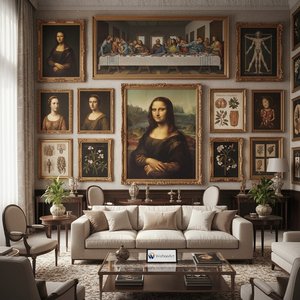
Entdecken Sie die 25 Meisterwerke von Leonardo da Vinci! Erfahren Sie faszinierende Geschichten hinter Gemälden wie der Mona Lisa & Das letzte Abendmahl. Hochwertige Reproduktionen für Ihr Zuhause – jetzt bei Most-Famous-Paintings entdecken!

Elevate your artistic practice with this expert guide to mastering the line. Discover advanced techniques in graphite, charcoal, and contour drawing designed for art students seeking technical precision and expressive depth in their fine art studies.


Bleiben Sie über die neuesten Kunstnachrichten, exklusive Angebote und Dekorationsideen auf dem Laufenden.
Erzählen Sie uns von Ihrem Projekt, und unsere Kunstexperten erstellen für Sie drei personalisierte Kunstvorschläge.
Wir kuratieren 3 Optionen exklusiv für Sie – kostenlos!


 Vorschau anzeigen
 Versenden
 Teilen
 Details anzeigen

 Herunterladen
 Ähnliche Objekte
 Röntgenaufnahme
 Diashow
 Weiterlesen







 Die Glasoption ist nur für Größen unter 110 cm verfügbar.


