


x

Giclée- oder Leinwanddruck in Museumsqualität mit schneller Produktion und flexiblen Veredelungsoptionen. ( Handgemalte Reproduktion bestellen Bild kaufen)





























Wählen Sie aus unseren vordefinierten Formaten, die den ursprünglichen Proportionen des Kunstwerks entsprechen.

Sie können Ihre eigenen Maße eingeben, um ein bestimmtes Format oder einen speziellen Platz einzupassen. Wenn das von Ihnen gewählte Format nicht den Proportionen des Originalbildes entspricht, werden wir das Kunstwerk entweder beschneiden oder das Bild mit einem gespiegelten oder einfarbigen Rand erweitern. Ein digitaler Entwurf wird Ihnen zur Genehmigung zugesandt, bevor die Produktion beginnt.
Bitte beachten Sie, dass die Vorschau auf dem Bildschirm nicht den tatsächlichen Zuschnitt oder die Erweiterung widerspiegelt. Nur der Entwurf zeigt die endgültige Komposition präzise an.
Obwohl Sondermaße verfügbar sind, empfehlen wir die Auswahl eines Maßes aus der vordefinierten Liste, um die ursprünglichen Proportionen zu bewahren.
Weltweiter Versand () innerhalb von 2 Wochen statt der üblichen 4/5 Wochen. (20 August)


untitled (3145)
Format der Reproduktion
Jan van Eyck (c. 1390-1441) stands as an undeniable titan amongst Early Netherlandish painters, a figure whose legacy continues to illuminate the artistic landscape centuries after his lifetime. While biographical details remain frustratingly sparse – Hubert van Eyck, his brother, largely vanished from historical records – Jan himself possessed an extraordinary talent that swiftly propelled him into prominence within the burgeoning artistic milieu of Bruges and beyond.
His workshop in The Hague wasn’t merely a place of production; it was a crucible of innovation where he fostered apprenticeships and undertook commissions that showcased his unparalleled mastery. This early success wasn't solely attributable to technical skill, though undeniably impressive. Van Eyck’s astute judgment and unwavering trustworthiness – qualities highly valued during the period – cemented his reputation as a man of considerable intellect and integrity.
Perhaps no single artwork embodies Van Eyck's genius more profoundly than the Ghent Altarpiece, begun in 1425 alongside Hubert. Commissioned by Simon van der Putten and Gabrielle Broeder Janssens, this monumental polyptych represents a breathtaking feat of artistic endeavor. It depicts scenes from the life of Saint John the Baptist and Christ’s Passion, rendered with astonishing detail and imbued with an unprecedented level of realism.
What distinguishes the Ghent Altarpiece isn't simply its scale; it’s Van Eyck’s revolutionary application of oil paint—a technique previously considered experimental—which allowed him to achieve luminous colors and textures unattainable with tempera. The meticulous layering of glazes created an illusionistic depth that captivated viewers and profoundly influenced subsequent generations of artists.
Alongside the Ghent Altarpiece, Van Eyck’s Arnolfini Portrait (1434) cemented his reputation as a master of psychological portraiture. Painted for Giovanni Arnolfini and Isabella Reynoldse, this seemingly simple depiction of a wealthy couple within their home exudes an atmosphere of serene intimacy.
Van Eyck's masterful use of perspective—particularly atmospheric perspective—creates a convincing illusion of depth, drawing the viewer into the scene. The subtle interplay of light and shadow highlights the textures of fabrics and furnishings, conveying a sense of realism that transcends mere representation. Furthermore, scholars debate the symbolism embedded within the portrait’s details – the mirror reflecting the viewer, the lute symbolizing marital harmony—adding layers of meaning to this iconic masterpiece.
Jan van Eyck's influence extends far beyond his own creations. He established a workshop that nurtured talent and disseminated innovative techniques, shaping the artistic landscape of Northern Europe for decades to come. His unwavering commitment to observation and meticulous craftsmanship served as an inspiration for artists across disciplines—a testament to his enduring contribution to the history of art.

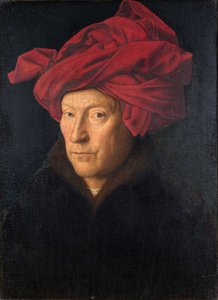
1390 - 1441 , Niederlande

Explore the profound beauty of the Early Netherlandish Renaissance. Discover how masters like Jan van Eyck revolutionized art through oil painting, light, and symbolism. A definitive guide for history lovers and collectors seeking to understand the Northern Renaissance.

Explore the luminous mastery of Early Netherlandish painting. Discover how Jan van Eyck and the Flemish masters revolutionized art through oil innovation, hyper-realism, and profound symbolism in this expert guide to the Northern Renaissance.


Bleiben Sie über die neuesten Kunstnachrichten, exklusive Angebote und Dekorationsideen auf dem Laufenden.
Erzählen Sie uns von Ihrem Projekt, und unsere Kunstexperten erstellen für Sie drei personalisierte Kunstvorschläge.
Wir kuratieren 3 Optionen exklusiv für Sie – kostenlos!


 Vorschau anzeigen
 Versenden
 Teilen
 Details anzeigen

 Herunterladen
 Ähnliche Objekte
 Röntgenaufnahme
 Diashow
 Weiterlesen







 Die Glasoption ist nur für Größen unter 110 cm verfügbar.


