


x

 Oil On CanvasWallArtSurrealism
 1919
1919 36.0 x 29.0 cm
Giclée- oder Leinwanddruck in Museumsqualität mit schneller Produktion und flexiblen Veredelungsoptionen. ( Handgemalte Reproduktion bestellen Bild kaufen)





























Wählen Sie aus unseren vordefinierten Formaten, die den ursprünglichen Proportionen des Kunstwerks entsprechen.

Sie können Ihre eigenen Maße eingeben, um ein bestimmtes Format oder einen speziellen Platz einzupassen. Wenn das von Ihnen gewählte Format nicht den Proportionen des Originalbildes entspricht, werden wir das Kunstwerk entweder beschneiden oder das Bild mit einem gespiegelten oder einfarbigen Rand erweitern. Ein digitaler Entwurf wird Ihnen zur Genehmigung zugesandt, bevor die Produktion beginnt.
Bitte beachten Sie, dass die Vorschau auf dem Bildschirm nicht den tatsächlichen Zuschnitt oder die Erweiterung widerspiegelt. Nur der Entwurf zeigt die endgültige Komposition präzise an.
Obwohl Sondermaße verfügbar sind, empfehlen wir die Auswahl eines Maßes aus der vordefinierten Liste, um die ursprünglichen Proportionen zu bewahren.
Weltweiter Versand () innerhalb von 2 Wochen statt der üblichen 4/5 Wochen. (22 August)


Hat in Hand, Hat on Head
Format der Reproduktion
To gaze upon this vibrant scene, Hat in Hand, Hat on Head, is to step directly into the richly imagined, dreamlike landscape of Max Ernst’s vision. Painted in 1919, this work pulses with an almost palpable energy, capturing a moment that feels both intimately observed and utterly fantastical. The composition draws the eye across a tableau vivant set beneath the sheltering canopy of trees. At its heart stand a man and a woman, figures whose formal attire—noticeable in their ties—suggests a veneer of societal structure, yet this formality is immediately softened by the surrounding natural exuberance.
The artist has masterfully woven together human presence with the wild grace of nature. The woman, perhaps carrying a basket that hints at domesticity or bounty, stands beside her companion. But it is not merely the central pair; the inclusion of another figure on the right, coupled with the delicate placement of two birds—one high in the corner, the other near the center-right—elevates the scene beyond a simple portrait. These elements act as visual anchors, guiding the viewer's gaze through the narrative unfolding within the canvas.
Max Ernst’s technique is inseparable from his philosophical depth. While the subject matter appears somewhat anecdotal—a gathering under a tree—the execution speaks volumes about the subconscious mind. His style, deeply rooted in Surrealism, eschews straightforward realism for something more evocative and psychologically charged. The colors are rich and saturated, lending the entire piece a lively, almost carnival-like vibrancy that belies any underlying mystery. One can sense the meticulous layering of paint, characteristic of an artist who treated the canvas not just as a surface, but as a field for intellectual excavation.
The interplay between the structured clothing and the organic flow of the foliage suggests Ernst’s lifelong fascination with the tension between civilization and instinct. It is a visual dialogue where the mundane—a walk in the park, perhaps—is suddenly imbued with mythic weight.
The symbolism within this painting invites endless contemplation. The hats themselves, titular elements, are potent symbols of identity, roles assumed, and perhaps, the masks we wear for society. Are they held ready to be placed upon the head, or discarded? This ambiguity is key to the emotional impact. The birds, ever traditional emblems of freedom and the spirit, flutter above the human drama, suggesting that true liberty remains just beyond the reach of our carefully constructed lives. For the collector or designer, this piece offers more than mere decoration; it offers a conversation starter—a contemplation on duality.
It speaks to moments suspended in time: the brief pause between one thought and the next, between two people, between the structured self and the wild heart.
Reproducing this work allows you to invite a piece of that vibrant, intellectual energy into your own space. The dimensions of 36 x 29 cm make it an ideal focal point for a gallery wall or mantelpiece display, offering significant visual impact without overwhelming a room's scale. Owning a high-quality reproduction means curating not just art, but a mood—a sophisticated blend of nostalgic romance and avant-garde thought. It is a piece that rewards close looking, promising new discoveries with every passing glance.

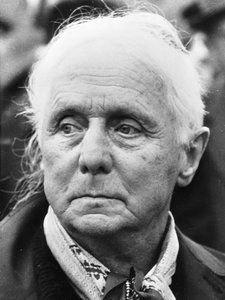
1891 - 1976 , Deutschland

Explore the profound history and technical mastery of woodcut relief printing. From ancient origins to German Expressionism, discover how artists use the subtractive process to create iconic works. A definitive guide for art students, collectors, and historians.

Discover the technical mastery behind Most-Famous-Paintings.com's premium Giclée canvas prints. Our guide for elite collectors explores archival pigment inks, museum-grade substrates, and the science of high-fidelity reproduction to ensure lasting beauty and historical accuracy.


Bleiben Sie über die neuesten Kunstnachrichten, exklusive Angebote und Dekorationsideen auf dem Laufenden.
Erzählen Sie uns von Ihrem Projekt, und unsere Kunstexperten erstellen für Sie drei personalisierte Kunstvorschläge.
Wir kuratieren 3 Optionen exklusiv für Sie – kostenlos!


 Vorschau anzeigen
 Versenden
 Teilen
 Details anzeigen

 Herunterladen
 Ähnliche Objekte
 Röntgenaufnahme
 Diashow
 Weiterlesen







 Die Glasoption ist nur für Größen unter 110 cm verfügbar.


