x

Giclée- oder Leinwanddruck in Museumsqualität mit schneller Produktion und flexiblen Veredelungsoptionen. ( Handgemalte Reproduktion bestellen Bild kaufen)





























Wählen Sie aus unseren vordefinierten Formaten, die den ursprünglichen Proportionen des Kunstwerks entsprechen.

Sie können Ihre eigenen Maße eingeben, um ein bestimmtes Format oder einen speziellen Platz einzupassen. Wenn das von Ihnen gewählte Format nicht den Proportionen des Originalbildes entspricht, werden wir das Kunstwerk entweder beschneiden oder das Bild mit einem gespiegelten oder einfarbigen Rand erweitern. Ein digitaler Entwurf wird Ihnen zur Genehmigung zugesandt, bevor die Produktion beginnt.
Bitte beachten Sie, dass die Vorschau auf dem Bildschirm nicht den tatsächlichen Zuschnitt oder die Erweiterung widerspiegelt. Nur der Entwurf zeigt die endgültige Komposition präzise an.
Obwohl Sondermaße verfügbar sind, empfehlen wir die Auswahl eines Maßes aus der vordefinierten Liste, um die ursprünglichen Proportionen zu bewahren.
Weltweiter Versand () innerhalb von 2 Wochen statt der üblichen 4/5 Wochen. (18 August)


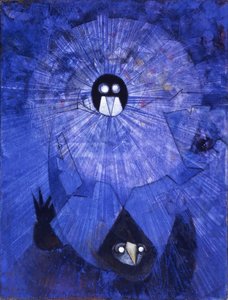
La fuite
Format der Reproduktion
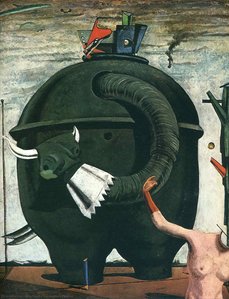
Max Ernst’s “La Fuite,” painted in 1925 during the height of Surrealism, isn't merely a depiction of a woman; it’s an embodiment of existential anxiety and a visual manifesto of the movement’s core principles. Created shortly after World War I ended, the painting reflects the pervasive disillusionment felt across Europe – a yearning for beauty amidst the ruins of shattered empires and a questioning of rational thought in the face of overwhelming trauma.
Ernst’s signature style is instantly recognizable. He employs a technique known as “frottage,” where he rubs a textured surface – often paper covered with wax crayons – onto another piece of paper to generate random patterns and textures. These patterns are then meticulously integrated into the composition, creating an unsettling blend of organic and geometric forms. The resulting image feels like stepping directly into a dreamscape—a realm governed by subconscious impulses rather than conscious control.
Surrealism emerged as a reaction to the horrors of Verdun and Sarajevo, rejecting logic and reason in favor of exploring the irrational depths of the human psyche. Artists like Ernst sought inspiration from Freud's theories on psychoanalysis, attempting to liberate creativity from the constraints of conscious thought. “La Fuite” exemplifies this ethos by presenting a fragmented narrative devoid of conventional storytelling—a deliberate disruption intended to provoke contemplation and challenge viewers’ perceptions.
The painting is rife with symbolic imagery. The prominent window represents aspiration – a desire to glimpse beyond the confines of reality into realms of imagination and possibility. Conversely, the mirror reflects back upon itself, suggesting introspection and confronting one’s own anxieties. Most powerfully, however, is the woman herself, positioned in an expansive pose, seemingly attempting to escape—a visual metaphor for overcoming obstacles and embracing liberation.
"La Fuite" possesses a captivating unsettling beauty. Ernst's masterful manipulation of texture and color creates a palpable sense of unease, mirroring the psychological turmoil experienced during the postwar period. Yet, beneath this surface tension lies an undeniable impulse toward transcendence—a celebration of creativity as a means of confronting darkness and reclaiming agency. It’s a painting that lingers in the mind long after viewing, prompting viewers to consider questions about identity, freedom, and the elusive nature of truth.

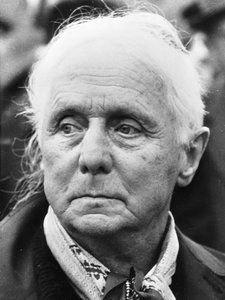
1891 - 1976 , Deutschland

Explore the profound depths of Surrealism. From Dalí’s dreamscapes to Magritte’s enigmas, master the history of the subconscious mind through our expert art guide and discover museum-quality oil reproductions of the world's most iconic surrealist masterpieces.


Bleiben Sie über die neuesten Kunstnachrichten, exklusive Angebote und Dekorationsideen auf dem Laufenden.
Erzählen Sie uns von Ihrem Projekt, und unsere Kunstexperten erstellen für Sie drei personalisierte Kunstvorschläge.
Wir kuratieren 3 Optionen exklusiv für Sie – kostenlos!


 Vorschau anzeigen
 Versenden
 Teilen
 Details anzeigen

 Herunterladen
 Ähnliche Objekte
 Röntgenaufnahme
 Diashow
 Weiterlesen







 Die Glasoption ist nur für Größen unter 110 cm verfügbar.