x

Giclée- oder Leinwanddruck in Museumsqualität mit schneller Produktion und flexiblen Veredelungsoptionen. ( Handgemalte Reproduktion bestellen Bild kaufen)





























Wählen Sie aus unseren vordefinierten Formaten, die den ursprünglichen Proportionen des Kunstwerks entsprechen.

Sie können Ihre eigenen Maße eingeben, um ein bestimmtes Format oder einen speziellen Platz einzupassen. Wenn das von Ihnen gewählte Format nicht den Proportionen des Originalbildes entspricht, werden wir das Kunstwerk entweder beschneiden oder das Bild mit einem gespiegelten oder einfarbigen Rand erweitern. Ein digitaler Entwurf wird Ihnen zur Genehmigung zugesandt, bevor die Produktion beginnt.
Bitte beachten Sie, dass die Vorschau auf dem Bildschirm nicht den tatsächlichen Zuschnitt oder die Erweiterung widerspiegelt. Nur der Entwurf zeigt die endgültige Komposition präzise an.
Obwohl Sondermaße verfügbar sind, empfehlen wir die Auswahl eines Maßes aus der vordefinierten Liste, um die ursprünglichen Proportionen zu bewahren.
Weltweiter Versand () innerhalb von 2 Wochen statt der üblichen 4/5 Wochen. (18 August)


Lust am Leben
Format der Reproduktion
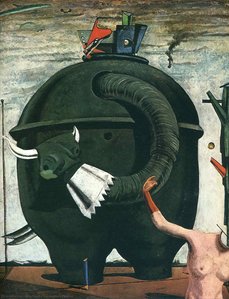
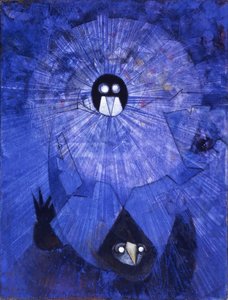
Max Ernst’s 1936 painting, “Lust for Life,” is more than just a depiction of a forest; it’s an embodiment of the artist’s deeply felt exploration of life’s inherent passions and anxieties. The canvas bursts with a vibrant energy, a testament to Ernst's pioneering approach to Surrealism – one rooted not in dreamlike fantasy alone, but in a rigorous engagement with psychological theory and a profound connection to the natural world.
Born in Brühl, Germany, in 1891, Max Ernst was a key figure in the development of Surrealism. He rejected traditional representational art, instead seeking to tap into the unconscious mind through techniques like frottage (rubbing textures onto paper) and decalcomania (spreading paint on a surface and then lifting it off to create random patterns). “Lust for Life” exemplifies these methods; the seemingly haphazard arrangement of foliage and flowers is the result of deliberate, almost meditative processes designed to unlock hidden imagery and emotions. The painting’s textured surface, achieved through Ernst's layering techniques, invites close inspection and encourages viewers to lose themselves in its intricate details.
“Lust for Life” resonates with themes central to Ernst's artistic concerns – the tension between order and chaos, reason and instinct, beauty and decay. The vibrant flora represents the vitality of life, while the shadowed depths of the forest hint at hidden dangers and the unknown. The painting can be interpreted as a reflection on the human desire for fulfillment, a yearning to embrace the full spectrum of experience – both joyful and painful – that defines our existence. Considering Ernst’s intellectual background in psychology and psychiatry, it's reasonable to view this work as an exploration of the subconscious drives and desires that shape human behavior.
Created in 1936, “Lust for Life” reflects the broader artistic currents of the period. Surrealism was gaining momentum as a reaction against the rationalism of the early 20th century, offering an alternative vision rooted in dreams, fantasy, and the exploration of the unconscious. Ernst’s work stands as a pivotal example of this movement, demonstrating its capacity to engage with profound philosophical questions while simultaneously producing visually arresting and emotionally resonant art. This piece is a testament to Ernst's enduring legacy as one of the most innovative and influential artists of his time.
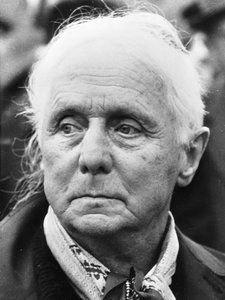
1891 - 1976 , Deutschland
Entdecken Sie die 25 bedeutendsten Kunstwerke von Max Ernst! Tauchen Sie ein in die Welt des Surrealismus, Dada und abstrakter Malerei. Hochwertige Kunstreproduktionen & Inspiration für Ihr Zuhause bei Most-Famous-Paintings.com.
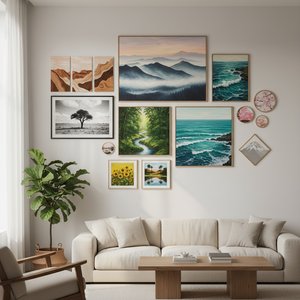
Entdecken Sie die 10 schönsten Landschaftsbilder der Kunstgeschichte! Von Monet bis Van Gogh – erfahren Sie die Geschichten hinter Meisterwerken & finden Sie Inspiration für Ihr Zuhause. Hochwertige Kunstdrucke auf Most-Famous-Paintings.com.

Entdecken Sie die 10 Meisterwerke der Romantischen Landschaftsmalerei! Von Caspar David Friedrich bis Turner – erleben Sie die Kunst, Emotion & Natur. Hochwertige Reproduktionen auf Most-Famous-Paintings.com

Explore the rich history of landscape art with Most-Famous-Paintings. Discover renowned artists, movements like Impressionism & Romanticism, and expert guidance for collecting timeless pieces. Find your perfect serene escape today!
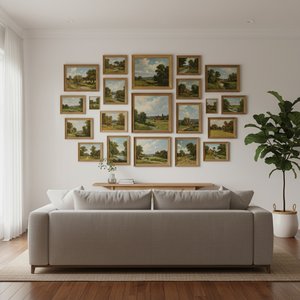
Entdecken Sie die 25 Meisterwerke von John Constable! Erleben Sie englische Landschaftsmalerei vom Hay Wain bis zur Stour Valley. Hochwertige Reproduktionen & Kunst für Ihr Zuhause auf Most-Famous-Paintings.com.


Bleiben Sie über die neuesten Kunstnachrichten, exklusive Angebote und Dekorationsideen auf dem Laufenden.
Erzählen Sie uns von Ihrem Projekt, und unsere Kunstexperten erstellen für Sie drei personalisierte Kunstvorschläge.
Wir kuratieren 3 Optionen exklusiv für Sie – kostenlos!


 Vorschau anzeigen
 Versenden
 Teilen
 Details anzeigen

 Herunterladen
 Ähnliche Objekte
 Röntgenaufnahme
 Diashow

 Weiterlesen







 Die Glasoption ist nur für Größen unter 110 cm verfügbar.