x
Handgemaltes Ölgemälde auf Leinwand in Ihrer Wunschgröße und mit Rahmen, auf Bestellung von unseren Künstlern angefertigt. ( Druck bestellen Bild kaufen)





























Wählen Sie aus unseren vordefinierten Formaten, die den ursprünglichen Proportionen des Kunstwerks entsprechen.

Sie können Ihre eigenen Maße eingeben, um einen bestimmten Rahmen oder Platz auszufüllen. Wenn die gewählte Größe nicht den Proportionen des Originalbildes entspricht, werden wir das Kunstwerk entweder beschneiden oder das Gemälde durch zusätzliche, handgemalte Elemente erweitern. Ein digitales Mockup wird Ihnen zur Genehmigung zugesandt, bevor die Produktion beginnt.
Bitte beachten Sie, dass die Bildschirmvorschau nicht die tatsächliche Beschneidung oder Erweiterung widerspiegelt. Nur das Mockup zeigt die endgültige Komposition exakt an.
Obwohl Sondermaße verfügbar sind, empfehlen wir, eine Größe aus der vordefinierten Liste zu wählen, um die ursprünglichen Proportionen beizubehalten.
Weltweiter Versand () in nur 3 bis 4 Wochen statt der üblichen 5 Wochen. (16 August). Keine Kompromisse bei der Qualität.


Nature at Dawn
Format der Reproduktion
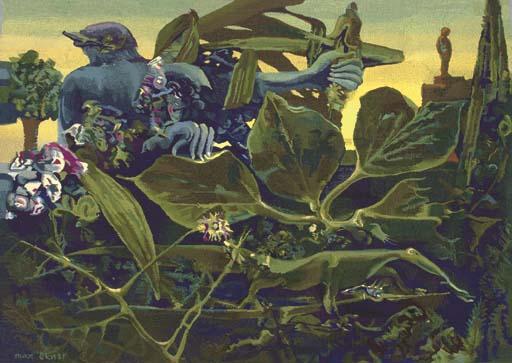
Max Ernst’s “Nature at Dawn,” painted in 1924, stands as an arresting emblem of the Surrealist movement—a visual manifesto born from a profound questioning of rationality and fueled by dreams and subconscious impulses. More than just a depiction of a landscape bathed in nascent sunlight, it's a meticulously crafted allegory that delves into themes of power, vulnerability, and the interconnectedness of humanity and nature.
Ernst’s artistic approach was characterized by an embrace of chance—a deliberate rejection of traditional compositional rules in favor of spontaneous experimentation. He achieved this through a masterful technique of collage, meticulously assembling fragments of printed matter – newspapers, maps, botanical illustrations – onto canvas. These disparate elements weren't merely glued together; they were interwoven with meticulous care, creating textures and patterns that defied linear perspective.
“Nature at Dawn” emerged from the turbulent aftermath of Dada—the nihilistic anti-art movement that challenged bourgeois values. Dada artists deliberately undermined logic and reason, seeking to expose the absurdity of societal conventions. Ernst swiftly transitioned into Surrealism, championed by André Breton, who sought to liberate creativity from conscious control. This artistic lineage reflects a broader intellectual preoccupation with psychoanalysis, particularly Sigmund Freud’s theories on dreams and unconscious desire.
The painting’s symbolism is layered and evocative. At its core is a solitary man perched atop a monumental statue—a figure embodying both strength and confinement. The statue itself represents authority and tradition, while the man’s posture conveys vulnerability beneath the weight of expectation. Above him floats a bird, symbolizing freedom and transcendence – an aspirational element juxtaposed against the static grandeur below. Furthermore, the inclusion of plants sprouting from his back speaks to themes of regeneration and the merging of human and natural realms.
"Nature at Dawn" isn't merely aesthetically pleasing; it compels viewers to confront unsettling questions about identity and perception. The surreal juxtaposition of elements generates a palpable tension—a feeling that something fundamental is shifting beneath the surface. Ultimately, Ernst’s masterpiece invites contemplation on the transformative power of dreams and the enduring allure of exploring the hidden depths of consciousness. It remains an unforgettable testament to Surrealism's ambition to capture the elusive essence of human experience.

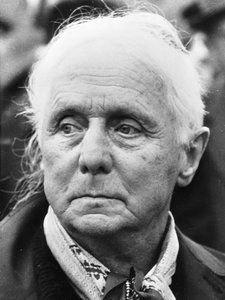
1891 - 1976 , Deutschland

Explore the profound history of sculpture, from classical realism to modern abstraction. Discover the mastery of form, texture, and medium through an expert art-historical lens designed for discerning collectors and enthusiasts.


Bleiben Sie über die neuesten Kunstnachrichten, exklusive Angebote und Dekorationsideen auf dem Laufenden.
Erzählen Sie uns von Ihrem Projekt, und unsere Kunstexperten erstellen für Sie drei personalisierte Kunstvorschläge.
Wir kuratieren 3 Optionen exklusiv für Sie – kostenlos!


 Vorschau anzeigen
 Versenden
 Teilen
 Details anzeigen

 Herunterladen
 Ähnliche Objekte
 Röntgenaufnahme
 Diashow
 Weiterlesen







 Die Glasoption ist nur für Größen unter 110 cm verfügbar.