x

Giclée- oder Leinwanddruck in Museumsqualität mit schneller Produktion und flexiblen Veredelungsoptionen. ( Handgemalte Reproduktion bestellen Bild kaufen)





























Wählen Sie aus unseren vordefinierten Formaten, die den ursprünglichen Proportionen des Kunstwerks entsprechen.

Sie können Ihre eigenen Maße eingeben, um ein bestimmtes Format oder einen speziellen Platz einzupassen. Wenn das von Ihnen gewählte Format nicht den Proportionen des Originalbildes entspricht, werden wir das Kunstwerk entweder beschneiden oder das Bild mit einem gespiegelten oder einfarbigen Rand erweitern. Ein digitaler Entwurf wird Ihnen zur Genehmigung zugesandt, bevor die Produktion beginnt.
Bitte beachten Sie, dass die Vorschau auf dem Bildschirm nicht den tatsächlichen Zuschnitt oder die Erweiterung widerspiegelt. Nur der Entwurf zeigt die endgültige Komposition präzise an.
Obwohl Sondermaße verfügbar sind, empfehlen wir die Auswahl eines Maßes aus der vordefinierten Liste, um die ursprünglichen Proportionen zu bewahren.
Weltweiter Versand () innerhalb von 2 Wochen statt der üblichen 4/5 Wochen. (14 August)


The hat makes the man
Format der Reproduktion
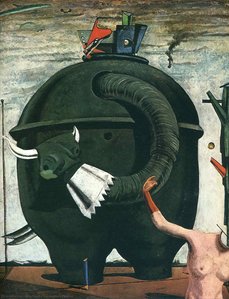
Max Ernst’s “The Hat Makes the Man,” completed in 1920, isn't merely a depiction of hats; it’s an invitation into the labyrinthine corridors of the subconscious. Created during the fervent crucible of Surrealism—a movement determined to liberate art from rational constraints—this gouache and ink on cut-and-pasted printed paper embodies Ernst’s signature approach: unsettling juxtapositions, textural experimentation, and a deliberate blurring of reality and fantasy.
Beyond its striking visual impact, “The Hat Makes the Man” overflows with symbolic significance. The hat itself—a commonplace object transformed into a monumental presence—represents identity, social status, and perhaps even protection from an unseen threat. Ernst’s masterful use of color – muted browns and greys punctuated by flashes of crimson – reinforces this sense of unease and invites contemplation about the masks we wear in everyday life.
Ernst’s innovative grattage technique wasn’t simply a stylistic flourish; it was a deliberate effort to capture the elusive essence of the unconscious mind. By stripping away layers of paint, he unearthed hidden textures and forms that spoke directly to the viewer's emotions—a testament to his belief in art as a conduit for psychological exploration.
To appreciate the breadth of Surrealist art and Ernst’s contribution to its canon, explore resources like Most-Famous-Paintings.com for insightful articles on Ernst's life and work. Alternatively, immerse yourself in the artistic landscape at institutions such as The Centre Pompidou (https://www.moma.org/collection/works/35478) and The Columbus Museum of Art ( /en/art/max-ernst-the-song-of-the-flesh-9GG5ZV-en/).

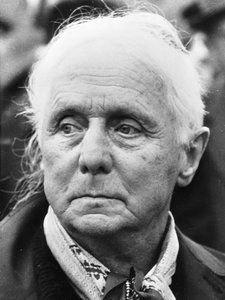
1891 - 1976 , Deutschland

Explore the profound depths of Surrealism. From Dalí’s dreamscapes to Magritte’s enigmas, master the history of the subconscious mind through our expert art guide and discover museum-quality oil reproductions of the world's most iconic surrealist masterpieces.

Explore the profound evolution of digital collage, where art history meets modern technology. Discover how contemporary masters merge classical techniques with digital innovation to create breathtaking new masterpieces for the modern collector.


Bleiben Sie über die neuesten Kunstnachrichten, exklusive Angebote und Dekorationsideen auf dem Laufenden.
Erzählen Sie uns von Ihrem Projekt, und unsere Kunstexperten erstellen für Sie drei personalisierte Kunstvorschläge.
Wir kuratieren 3 Optionen exklusiv für Sie – kostenlos!


 Vorschau anzeigen
 Versenden
 Teilen
 Details anzeigen

 Herunterladen
 Ähnliche Objekte
 Röntgenaufnahme
 Diashow

 Weiterlesen







 Die Glasoption ist nur für Größen unter 110 cm verfügbar.