x

Handgemaltes Ölgemälde auf Leinwand in Ihrer Wunschgröße und mit Rahmen, auf Bestellung von unseren Künstlern angefertigt. ( Druck bestellen Bild kaufen)





























Wählen Sie aus unseren vordefinierten Formaten, die den ursprünglichen Proportionen des Kunstwerks entsprechen.

Sie können Ihre eigenen Maße eingeben, um einen bestimmten Rahmen oder Platz auszufüllen. Wenn die gewählte Größe nicht den Proportionen des Originalbildes entspricht, werden wir das Kunstwerk entweder beschneiden oder das Gemälde durch zusätzliche, handgemalte Elemente erweitern. Ein digitales Mockup wird Ihnen zur Genehmigung zugesandt, bevor die Produktion beginnt.
Bitte beachten Sie, dass die Bildschirmvorschau nicht die tatsächliche Beschneidung oder Erweiterung widerspiegelt. Nur das Mockup zeigt die endgültige Komposition exakt an.
Obwohl Sondermaße verfügbar sind, empfehlen wir, eine Größe aus der vordefinierten Liste zu wählen, um die ursprünglichen Proportionen beizubehalten.
Weltweiter Versand () in nur 3 bis 4 Wochen statt der üblichen 5 Wochen. (14 August). Keine Kompromisse bei der Qualität.


untitled (3054)
Format der Reproduktion
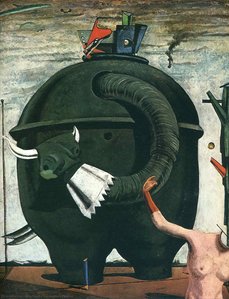
Max Ernst’s “Untitled (3054)” presents a disconcerting yet undeniably captivating tableau – a crimson object imbued with a human-like face, adrift within a carefully constructed landscape of modern anxieties. Painted by the German surrealist master in an unknown date, this work immediately draws the viewer into a realm where familiar objects are rendered alien and unsettling, reflecting Ernst’s lifelong fascination with the subconscious and his rejection of rationalism.
Max Ernst’s artistic trajectory was profoundly shaped by his intellectual pursuits and his engagement with the burgeoning surrealist movement. Born in Brühl, Germany, in 1891, Ernst initially studied philosophy, art history, literature, psychology, and psychiatry at the University of Bonn – a curriculum that fueled his exploration of dreams, myths, and the irrational. This academic grounding is evident in “Untitled (3054),” where recognizable objects are juxtaposed to create a deliberately illogical scene, echoing the techniques pioneered by André Breton and other surrealist thinkers.
Ernst’s methods were as innovative as his subject matter. He employed techniques such as frottage (rubbing textures onto paper) and decalcomania (spreading paint on a surface and then lifting it to create random patterns), allowing chance and the subconscious to guide his creative process. These approaches, combined with his intellectual rigor, resulted in works that are both meticulously crafted and profoundly unsettling.
The inclusion of cell phones within this painting is particularly significant when viewed through the lens of Ernst’s era. Created before the ubiquity of mobile technology, they represent a nascent intrusion of the external world into the private sphere – a theme that would become increasingly relevant in subsequent decades. The book, often associated with wisdom and enlightenment, here appears almost burdened by its own weight, suggesting the potential for knowledge to be overwhelming or misleading.
"Untitled (3054)" is more than just a surrealist image; it's a meditation on the human condition, exploring themes of identity, communication, and the anxieties inherent in modern life. Max Ernst’s ability to tap into these universal concerns through his unique artistic vision ensures that this work continues to resonate with viewers today. A hand-painted reproduction offers an unparalleled opportunity to experience the full impact of this enigmatic masterpiece – a testament to Ernst's enduring legacy as one of the 20th century’s most influential artists.

1891 - 1976 , Deutschland

Entdecken Sie die 10 Meisterwerke des Surrealismus & Expressionismus! Erfahren Sie die Geschichten hinter Dalí, Magritte und mehr. Hochwertige Kunstdrucke für Ihr Zuhause – jetzt auf Most-Famous-Paintings.com entdecken.
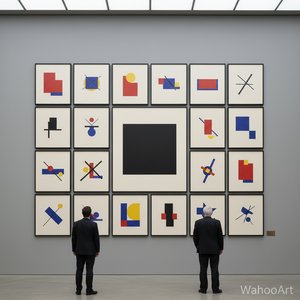
Entdecken Sie die 25 Meisterwerke von Kazimir Malevich! Tauchen Sie ein in die Welt des Suprematismus, abstrakter Kunst & geometrischer Formen. Hochwertige Kunstdrucke und Reproduktionen auf Most-Famous-Paintings.com – für Ihr Zuhause.
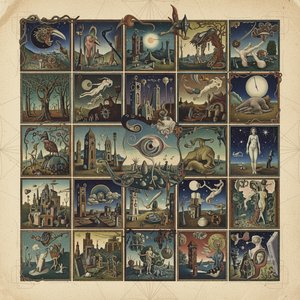
Entdecken Sie die 25 bedeutendsten Kunstwerke von Max Ernst! Tauchen Sie ein in die Welt des Surrealismus, Dada und abstrakter Malerei. Hochwertige Kunstreproduktionen & Inspiration für Ihr Zuhause bei Most-Famous-Paintings.com.
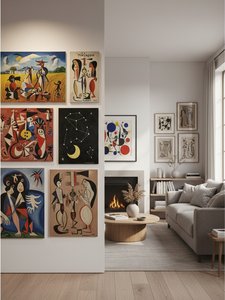
Entdecken Sie die Top 25 Gemälde von Joan Miró! Tauchen Sie ein in die Welt des Surrealismus, abstrakter Kunst & katalanischer Farben. Hochwertige Kunstdrucke & Reproduktionen für Ihr Zuhause – jetzt auf Most-Famous-Paintings.com!

Explore the captivating world of Surrealism with Most-Famous-Paintings. Discover its origins, key artists like Dalí & Ernst, and enduring influence on art history. High-quality reproductions available.


Bleiben Sie über die neuesten Kunstnachrichten, exklusive Angebote und Dekorationsideen auf dem Laufenden.
Erzählen Sie uns von Ihrem Projekt, und unsere Kunstexperten erstellen für Sie drei personalisierte Kunstvorschläge.
Wir kuratieren 3 Optionen exklusiv für Sie – kostenlos!


 Vorschau anzeigen
 Versenden
 Teilen
 Details anzeigen

 Herunterladen
 Ähnliche Objekte
 Röntgenaufnahme
 Diashow
 Weiterlesen







 Die Glasoption ist nur für Größen unter 110 cm verfügbar.