x

Handgemaltes Ölgemälde auf Leinwand in Ihrer Wunschgröße und mit Rahmen, auf Bestellung von unseren Künstlern angefertigt. ( Druck bestellen Bild kaufen)





























Wählen Sie aus unseren vordefinierten Formaten, die den ursprünglichen Proportionen des Kunstwerks entsprechen.

Sie können Ihre eigenen Maße eingeben, um einen bestimmten Rahmen oder Platz auszufüllen. Wenn die gewählte Größe nicht den Proportionen des Originalbildes entspricht, werden wir das Kunstwerk entweder beschneiden oder das Gemälde durch zusätzliche, handgemalte Elemente erweitern. Ein digitales Mockup wird Ihnen zur Genehmigung zugesandt, bevor die Produktion beginnt.
Bitte beachten Sie, dass die Bildschirmvorschau nicht die tatsächliche Beschneidung oder Erweiterung widerspiegelt. Nur das Mockup zeigt die endgültige Komposition exakt an.
Obwohl Sondermaße verfügbar sind, empfehlen wir, eine Größe aus der vordefinierten Liste zu wählen, um die ursprünglichen Proportionen beizubehalten.
Weltweiter Versand () in nur 3 bis 4 Wochen statt der üblichen 5 Wochen. (15 August). Keine Kompromisse bei der Qualität.


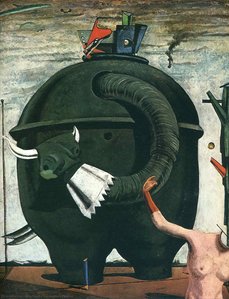
untitled (8952)
Format der Reproduktion
Max Ernst's "Untitled (8952)" is not merely a depiction of a scene; it’s an immersion into the subconscious, a meticulously crafted exploration of surrealist anxieties and desires. This enigmatic work, dating from the artist’s prolific output during the early to mid-20th century, immediately captivates with its unsettling juxtaposition of familiar elements – a horse-drawn carriage, bicycles, and figures – arranged within a landscape that defies logical interpretation. The painting speaks volumes about Ernst's fascination with dreams, automatism, and the power of the irrational, themes central to his contribution to the Surrealist movement.
Ernst’s technique in “Untitled (8952)” is a testament to his innovative approach to painting. He masterfully employs collage elements, layering textures and fragments that contribute to the work's dreamlike quality. The application of paint – often built up in thick impasto – further enhances this effect, creating a tactile surface that invites close inspection. Crucially, Ernst utilized techniques of *automatism*, a core principle of Surrealism, allowing his unconscious mind to guide the brush and shape the composition. This process resulted in unexpected forms and arrangements, reflecting the fluidity and instability inherent in dreams.
The central image – a horse pulling a carriage – immediately evokes powerful symbolism. The horse, often associated with power, labor, and even death, is presented here in an unconventional manner, suggesting a disruption of traditional hierarchies. The presence of bicycles adds another layer of complexity, representing both progress and the potential for alienation within modern society. The figures themselves, seemingly caught in a moment of interaction or observation, represent humanity’s struggle to understand its place in the world – a theme frequently explored by Ernst through his art. The arrangement feels deliberately disjointed, mirroring the fragmented nature of memory and experience.
"Untitled (8952)" was created during a period of profound social and political upheaval following World War I. The devastation and disillusionment experienced by many Europeans fueled a desire to challenge conventional values and explore alternative modes of thought. Surrealism, born out of this context, sought to liberate the imagination from the constraints of reason and logic. Ernst’s work reflects this spirit of rebellion, offering a visual language for expressing anxieties about modernity, war, and the human condition. His exploration of psychological themes – influenced by his studies in psychology and psychiatry – aligns perfectly with the Surrealist movement's interest in the unconscious mind.
Ultimately, “Untitled (8952)” resonates with a profound sense of unease and ambiguity. The painting doesn’t offer easy answers or resolutions; instead, it invites viewers to confront their own anxieties and uncertainties. Its unsettling composition and symbolic imagery create a powerful emotional response, prompting contemplation on themes of control, freedom, and the nature of reality itself. This reproduction captures not just an image but the very essence of Ernst's artistic vision – a testament to his enduring legacy as one of the most influential artists of the 20th century.

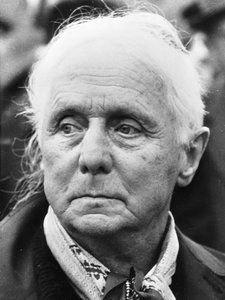
1891 - 1976 , Deutschland

Explore the profound depths of Surrealism. From Dalí’s dreamscapes to Magritte’s enigmas, master the history of the subconscious mind through our expert art guide and discover museum-quality oil reproductions of the world's most iconic surrealist masterpieces.


Bleiben Sie über die neuesten Kunstnachrichten, exklusive Angebote und Dekorationsideen auf dem Laufenden.
Erzählen Sie uns von Ihrem Projekt, und unsere Kunstexperten erstellen für Sie drei personalisierte Kunstvorschläge.
Wir kuratieren 3 Optionen exklusiv für Sie – kostenlos!


 Vorschau anzeigen
 Versenden
 Teilen
 Details anzeigen

 Herunterladen
 Ähnliche Objekte
 Röntgenaufnahme
 Diashow

 Weiterlesen







 Die Glasoption ist nur für Größen unter 110 cm verfügbar.