


x

Handgemaltes Ölgemälde auf Leinwand in Ihrer Wunschgröße und mit Rahmen, auf Bestellung von unseren Künstlern angefertigt. ( Druck bestellen Bild kaufen)





























Wählen Sie aus unseren vordefinierten Formaten, die den ursprünglichen Proportionen des Kunstwerks entsprechen.

Sie können Ihre eigenen Maße eingeben, um einen bestimmten Rahmen oder Platz auszufüllen. Wenn die gewählte Größe nicht den Proportionen des Originalbildes entspricht, werden wir das Kunstwerk entweder beschneiden oder das Gemälde durch zusätzliche, handgemalte Elemente erweitern. Ein digitales Mockup wird Ihnen zur Genehmigung zugesandt, bevor die Produktion beginnt.
Bitte beachten Sie, dass die Bildschirmvorschau nicht die tatsächliche Beschneidung oder Erweiterung widerspiegelt. Nur das Mockup zeigt die endgültige Komposition exakt an.
Obwohl Sondermaße verfügbar sind, empfehlen wir, eine Größe aus der vordefinierten Liste zu wählen, um die ursprünglichen Proportionen beizubehalten.
Weltweiter Versand () in nur 3 bis 4 Wochen statt der üblichen 5 Wochen. (22 August). Keine Kompromisse bei der Qualität.


Still Life mit Äpfeln 1
Format der Reproduktion
Paul Cézanne's "Still Life with Apples" – a work often referred to as “The J. Paul Getty Museum Collection” – isn’t merely a depiction of fruit; it’s a pivotal moment in the history of art, a bridge between the fleeting impressions of Impressionism and the nascent geometric explorations that would define Cubism. Painted between 1895 and 1898, this seemingly simple arrangement of apples, cups, and a bowl represents a radical departure from traditional still life conventions, marking a profound shift in how artists perceived and represented reality. Cézanne wasn’t interested in capturing the illusion of depth or surface appearance; instead, he sought to distill objects down to their essential forms – cylinders, spheres, and cones – using color as his primary tool for conveying volume and structure.
The painting's genesis lies within Cézanne’s relentless experimentation with perspective. He famously stated, “I am trying to make the matter of my paintings speak.” This ambition drove him to meticulously study the way light interacts with objects, observing how shadows define shapes and how color alters our perception of form. Unlike the Impressionists who focused on capturing a momentary impression of light and atmosphere, Cézanne sought to impose an underlying order onto his subjects. The apples aren’t rendered as soft, rounded forms; they are constructed from sharp angles and planes of color, suggesting their three-dimensional presence with remarkable precision. This approach was initially met with skepticism by the art establishment, who found it jarringly different from the prevailing artistic trends.
Cézanne’s masterful use of color is integral to the painting's impact. He employs a restrained palette – predominantly yellows, greens, browns, and blues – but manipulates these hues with extraordinary skill. Notice how he uses variations in tone and saturation to create a sense of depth and volume. The darker tones in the background recede into shadow, while the brighter colors of the apples and cups advance towards the viewer. The composition itself is carefully balanced, creating a harmonious yet dynamic arrangement. The placement of the objects – particularly the diagonal lines created by the table and the arrangement of the fruit – draws the eye across the canvas, inviting contemplation.
Interestingly, Cézanne’s approach to depicting the still life was influenced by his time spent in Provence, where he observed the rugged landscapes and the way light transformed the colors of nature. He sought to capture this essence on canvas, translating the solidity and structure of the natural world into a painted form. The painting's quiet intensity reflects Cézanne’s personal philosophy – a belief that art should be rooted in observation and a deep understanding of the underlying principles of reality.
While Cézanne avoided overt symbolism, "Still Life with Apples" possesses a subtle emotional resonance. The apples themselves can be interpreted as symbols of abundance, fertility, or even mortality – their ripeness suggesting both beauty and decay. The simple objects—the cups and bowl—add to the sense of domesticity and everyday life, grounding the painting in a tangible reality. However, it’s precisely this juxtaposition of the familiar with the abstract that makes the work so compelling.
Cézanne's influence on 20th-century art is undeniable. His exploration of form, color, and perspective paved the way for Cubism and other avant-garde movements. Reproductions of "Still Life with Apples" offer a unique opportunity to appreciate Cézanne’s revolutionary vision and his enduring legacy as one of the most important artists in modern history. The painting's quiet power continues to captivate viewers, inviting them to engage with art on a deeper, more intellectual level.
Most-Famous-Paintings offers meticulously crafted hand-painted reproductions of Paul Cézanne’s “Still Life with Apples,” ensuring that you experience the full beauty and nuance of this iconic artwork. Our skilled artists use archival-quality materials to faithfully recreate Cézanne's distinctive style, capturing the subtle color variations, textured brushstrokes, and dynamic composition. Whether you are an art collector, interior designer, or simply a lover of fine art, our reproductions provide a stunning way to bring Cézanne’s masterpiece into your home or office. Explore our selection today and discover the perfect reproduction to complement your space.


1839 - 1906 , Frankreich
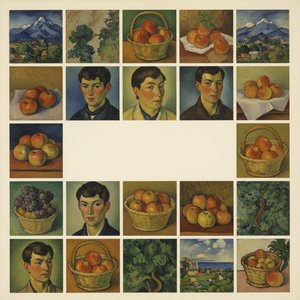
Entdecken Sie die 25 Meisterwerke von Paul Cézanne! Tauchen Sie ein in die Welt des Impressionismus und Postimpressionismus. Erfahren Sie mehr über seine Stillleben, Landschaften & berühmten Gemälde – jetzt hochwertige Kunstdrucke auf Most-Famous-Paintings.com.

Explore the rich history of still life painting & the symbolism of fruit across art movements. Discover masterpieces from Caravaggio to Cézanne with Most-Famous-Paintings – expert guidance & museum-quality reproductions.
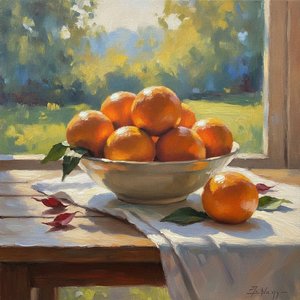
Embark on a sensory journey through Impressionist masterpieces. Discover how Renoir and Cézanne captured the vibrant light and luscious textures of sun-drenched oranges in exquisite still life paintings designed to inspire and transform your home.

Entdecken Sie die Top 10 Meisterwerke des Impressionismus! Von Monet bis Renoir – erfahren Sie die Geschichten hinter berühmten Gemälden, Techniken & Farben. Hochwertige Kunstdrucke auf Most-Famous-Paintings.com.

Entdecken Sie die emotionale Tiefe des Postimpressionismus! Analysieren Sie Cézanne, van Gogh, Gauguin & Seurat. Expertenwissen über Kunstgeschichte und Einfluss auf die Moderne.


Bleiben Sie über die neuesten Kunstnachrichten, exklusive Angebote und Dekorationsideen auf dem Laufenden.
Erzählen Sie uns von Ihrem Projekt, und unsere Kunstexperten erstellen für Sie drei personalisierte Kunstvorschläge.
Wir kuratieren 3 Optionen exklusiv für Sie – kostenlos!


 Vorschau anzeigen
 Versenden
 Teilen
 Details anzeigen

 Herunterladen
 Ähnliche Objekte
 Röntgenaufnahme
 Diashow

 Weiterlesen







 Die Glasoption ist nur für Größen unter 110 cm verfügbar.


