x


Giclée- oder Leinwanddruck in Museumsqualität mit schneller Produktion und flexiblen Veredelungsoptionen. ( Switch to hand made Painting Switch to Image)





























Wählen Sie aus unseren vordefinierten Größen, die den ursprünglichen Proportionen des Kunstwerks entsprechen.

Sie können Ihre eigenen Maße eingeben, um ein bestimmtes Format oder einen speziellen Platz einzupassen. Wenn das von Ihnen gewählte Format nicht den Proportionen des Originalbildes entspricht, werden wir das Kunstwerk entweder beschneiden oder das Bild mit einem gespiegelten oder einfarbigen Rand erweitern. Ein digitaler Entwurf wird Ihnen zur Genehmigung zugesandt, bevor die Produktion beginnt.
Bitte beachten Sie, dass die Vorschau auf dem Bildschirm nicht den tatsächlichen Zuschnitt oder die Erweiterung widerspiegelt. Nur der Entwurf zeigt die endgültige Komposition präzise an.
Obwohl Sondermaße verfügbar sind, empfehlen wir die Auswahl eines Maßes aus der vordefinierten Liste, um die ursprünglichen Proportionen zu bewahren.
Weltweiter Versand () innerhalb von 2 Wochen statt der üblichen 4/5 Wochen. (29 Juli)


Gefangener
Größe der Reproduktion
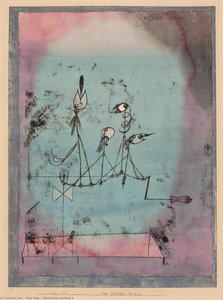
In the twilight years of his life, grappling with the debilitating effects of scleroderma, Paul Klee produced works that transcend mere representation – they become profound expressions of human experience. "Captive," painted in 1940, just months before his passing, stands as a particularly poignant example of this artistic depth. More than simply a depiction of suffering, it’s a testament to the enduring spirit, a visual embodiment of struggle and unwavering determination. Klee, already a master of blending diverse influences – from Expressionism's emotional intensity to Cubism’s fragmented forms and Surrealism’s dreamlike logic – here utilizes these techniques to create an image that resonates with both vulnerability and strength.
The painting immediately draws the eye to its central figure: a frowning face, encircled by stark bars. These represent not just physical confinement, but also the emotional restrictions imposed by illness. The use of predominantly blue and black hues establishes a somber atmosphere, reflecting Klee’s own internal state during this challenging period. However, it's crucial to note that these colors aren’t simply depressing; they possess a quiet dignity, a restrained intensity that speaks volumes about the artist’s resolve. The careful layering of paint creates texture and depth, adding another layer of complexity to the image.
“Captive” is firmly rooted in Klee's signature Expressionistic style. Unlike traditional portraiture focused on objective likeness, this piece prioritizes conveying emotion and inner experience. The distorted features, the downward-turned mouth, and the single teardrop – all contribute to a palpable sense of sadness and vulnerability. Yet, despite this evident suffering, there’s an undeniable element of defiance in the face. Klee doesn't shy away from portraying the difficulties; instead, he embraces them as integral to the artwork’s meaning. The subtle upward tilt of the head suggests a refusal to succumb entirely.
Beyond the immediate depiction of sorrow, “Captive” is rich with symbolic elements. The bars themselves can be interpreted as representing societal constraints, personal limitations, or even the very illness that afflicted Klee. The inclusion of seemingly random details – a clock, an apple – adds to the painting’s enigmatic quality, inviting viewers to contemplate its layers of meaning. These objects aren't merely decorative; they serve as reminders of time passing, of earthly pleasures, and perhaps even of mortality itself.
Paul Klee’s work, including “Captive,” profoundly influenced generations of artists. His willingness to explore complex emotions – particularly those associated with illness and vulnerability – paved the way for a more honest and introspective approach to artmaking. The painting's raw emotionality anticipates elements found in later Expressionist works and resonates with contemporary figurative painters who seek to capture the human condition with unflinching honesty. Klee’s ability to distill profound experiences into simple, yet powerful imagery is what makes his work so enduring.
The Zentrum Paul Klee in Bern, Switzerland, houses a remarkable collection of his works and offers visitors a unique opportunity to immerse themselves in the artist's world. The museum itself, designed by Renzo Piano, beautifully complements Klee’s artistic vision, creating an environment that encourages contemplation and reflection. Reproductions of “Captive,” available through platforms like Most-Famous-Paintings.com, allow art lovers worldwide to experience this powerful work firsthand, appreciating its beauty, complexity, and enduring message of resilience.
For more information about Paul Klee and his artistic legacy, consider visiting The Museum City Gallery in Lenbachhous, Munich, Germany, or exploring resources like Wikipedia: Paul Klee on Wikipedia.
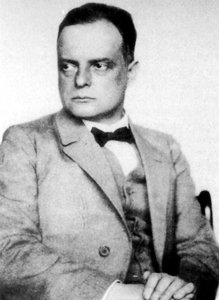
1879 - 1940 , Schweiz

Entdecken Sie die 25 Meisterwerke von Paul Klee! Tauchen Sie ein in seine abstrakte Welt, voller Expressionismus und Bauhaus-Einflüsse. Hochwertige Kunst für Ihr Zuhause – jetzt bei Most-Famous-Paintings entdecken!

Entdecken Sie die 25 Meisterwerke von Paul Cézanne! Tauchen Sie ein in die Welt des Impressionismus und Postimpressionismus. Erfahren Sie mehr über seine Stillleben, Landschaften & berühmten Gemälde – jetzt hochwertige Kunstdrucke auf Most-Famous-Paintings.com.
Entdecken Sie die 25 Meisterwerke von Henri Matisse! Tauchen Sie ein in die Welt des Fauvismus, der leuchtenden Farben und ikonischen Formen. Kunstreproduktionen & Inspiration für Ihr Zuhause – exklusiv auf Most-Famous-Paintings.com.

Entdecken Sie die 25 Meisterwerke von Claude Monet! Tauchen Sie ein in die Welt des Impressionismus, erleben Sie Seerosen, Sonnenaufgänge & Kathedralen. Hochwertige Reproduktionen für Ihr Zuhause – exklusiv auf Most-Famous-Paintings.com.
Entdecken Sie die 25 bedeutendsten Gemälde von Wassily Kandinsky! Tauchen Sie ein in die Welt der abstrakten Kunst, des Expressionismus und der Farbkomposition. Hochwertige Kunstdrucke & Inspiration für Ihr Zuhause auf Most-Famous-Paintings.com.


Bleiben Sie über die neuesten Kunstnachrichten, exklusive Angebote und Dekorationsideen auf dem Laufenden.
Erzählen Sie uns von Ihrem Projekt und unsere Kunstexperten erstellen für Sie 3 personalisierte Kunstvorschläge.
Wir kuratieren 3 Optionen exklusiv für Sie – kostenlos!


 Preview
 Versenden
 Teilen
 Details anzeigen

 Herunterladen
 Ähnliche Objekte
 Röntgenaufnahme
 Diashow anzeigen

 Weiterlesen







 Die Glasoption ist nur in Größen unter 110 cm verfügbar.