


x

Erwerben Sie ein hochauflösendes, optimiertes digitales Bild, das der Online-Vorschau weit überlegen ist.
Jede Datei wird von unseren hauseigenen Spezialisten mit modernsten Werkzeugen und fachmännischer manueller Retusche sorgfältig vorbereitet. Wir stellen sicher, dass jedes Bild eine außergewöhnliche Klarheit, präzise Farbgenauigkeit und feinste Details aufweist.
Die endgültige Datei wird innerhalb von 72 Stunden per E-Mail zugestellt und ist für den sofortigen Einsatz in professionellen, redaktionellen und Druckumgebungen optimiert. Es handelt sich um dieselbe Qualität, der führende Designstudios, Verlage und Galerien vertrauen.
Laden Sie eine hochauflösende Datei für die persönliche Präsentation, den Druck und kreative Projekte herunter. ( Druck bestellen Handgemalte Reproduktion bestellen)
Wenn Sie sich für Most-Famous-Paintings.com entscheiden, erhalten Sie nicht nur ein Bild – Sie erhalten ein professionell aufbereitetes digitales Kunstwerk, das mit höchster Präzision erstellt und durch eine Zufriedenheitsgarantie abgesichert wird. Hier ist alles, was automatisch mit Ihrer Bestellung geliefert wird:

Ihre hochauflösende digitale Bilddatei wird Ihnen innerhalb von 72 Stunden nach der Bestellung per E-Mail zugestellt – bereit zur sofortigen Verwendung.

Ihre Kunstwerke werden professionell mithilfe fortschrittlicher KI-Tools und manueller Bearbeitung optimiert, um maximale Detailtreue, Klarheit und Farbgenauigkeit zu gewährleisten.

Datei versehentlich gelöscht oder verloren? Keine Sorge – wir senden sie Ihnen jederzeit kostenlos erneut zu.

Genießen Sie Ihr Kunstwerk sofort ohne Zollgebühren, Einfuhrabgaben oder Versandkosten – digitale Downloads sind immer steuerfrei.

Wir garantieren, dass Ihr digitales Bild mithilfe professioneller Werkzeuge und Farbmanagement die Originalfarben so präzise wie möglich wiedergibt.

Sollten Sie mit Ihrem digitalen Bild nicht zufrieden sein, werden wir es überarbeiten oder Ihnen innerhalb von 60 Tagen 100% erstatten – ohne Wenn und Aber.

Nicht zufrieden? Erhalten Sie innerhalb von 60 Tagen nach Erhalt Ihrer digitalen Datei eine vollständige Rückerstattung – ohne Angabe von Gründen.

3 Bilder kaufen, 10% sparen – 5 Bilder kaufen, 15% sparen – Ab 10 Bildern 20% sparen. Ideal für kreative Projekte, Galerien und Agenturen.
In the twilight years of his life, grappling with the debilitating effects of scleroderma, Paul Klee produced works that transcend mere representation – they become profound expressions of human experience. "Captive," painted in 1940, just months before his passing, stands as a particularly poignant example of this artistic depth. More than simply a depiction of suffering, it’s a testament to the enduring spirit, a visual embodiment of struggle and unwavering determination. Klee, already a master of blending diverse influences – from Expressionism's emotional intensity to Cubism’s fragmented forms and Surrealism’s dreamlike logic – here utilizes these techniques to create an image that resonates with both vulnerability and strength.
The painting immediately draws the eye to its central figure: a frowning face, encircled by stark bars. These represent not just physical confinement, but also the emotional restrictions imposed by illness. The use of predominantly blue and black hues establishes a somber atmosphere, reflecting Klee’s own internal state during this challenging period. However, it's crucial to note that these colors aren’t simply depressing; they possess a quiet dignity, a restrained intensity that speaks volumes about the artist’s resolve. The careful layering of paint creates texture and depth, adding another layer of complexity to the image.
“Captive” is firmly rooted in Klee's signature Expressionistic style. Unlike traditional portraiture focused on objective likeness, this piece prioritizes conveying emotion and inner experience. The distorted features, the downward-turned mouth, and the single teardrop – all contribute to a palpable sense of sadness and vulnerability. Yet, despite this evident suffering, there’s an undeniable element of defiance in the face. Klee doesn't shy away from portraying the difficulties; instead, he embraces them as integral to the artwork’s meaning. The subtle upward tilt of the head suggests a refusal to succumb entirely.
Beyond the immediate depiction of sorrow, “Captive” is rich with symbolic elements. The bars themselves can be interpreted as representing societal constraints, personal limitations, or even the very illness that afflicted Klee. The inclusion of seemingly random details – a clock, an apple – adds to the painting’s enigmatic quality, inviting viewers to contemplate its layers of meaning. These objects aren't merely decorative; they serve as reminders of time passing, of earthly pleasures, and perhaps even of mortality itself.
Paul Klee’s work, including “Captive,” profoundly influenced generations of artists. His willingness to explore complex emotions – particularly those associated with illness and vulnerability – paved the way for a more honest and introspective approach to artmaking. The painting's raw emotionality anticipates elements found in later Expressionist works and resonates with contemporary figurative painters who seek to capture the human condition with unflinching honesty. Klee’s ability to distill profound experiences into simple, yet powerful imagery is what makes his work so enduring.
The Zentrum Paul Klee in Bern, Switzerland, houses a remarkable collection of his works and offers visitors a unique opportunity to immerse themselves in the artist's world. The museum itself, designed by Renzo Piano, beautifully complements Klee’s artistic vision, creating an environment that encourages contemplation and reflection. Reproductions of “Captive,” available through platforms like Most-Famous-Paintings.com, allow art lovers worldwide to experience this powerful work firsthand, appreciating its beauty, complexity, and enduring message of resilience.
For more information about Paul Klee and his artistic legacy, consider visiting The Museum City Gallery in Lenbachhous, Munich, Germany, or exploring resources like Wikipedia: Paul Klee on Wikipedia.

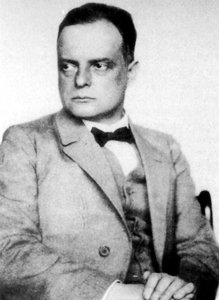
1879 - 1940 , Schweiz


Bleiben Sie über die neuesten Kunstnachrichten, exklusive Angebote und Dekorationsideen auf dem Laufenden.
Erzählen Sie uns von Ihrem Projekt, und unsere Kunstexperten erstellen für Sie drei personalisierte Kunstvorschläge.
Wir kuratieren 3 Optionen exklusiv für Sie – kostenlos!


 Vorschau anzeigen
 Versenden
 Teilen
 Details anzeigen

 Herunterladen
 Ähnliche Objekte
 Röntgenaufnahme
 Diashow

 Weiterlesen


