


x

 AquarellWandkunstExpressionist Abstraction
 Spätmittelalter
 19.0 x 13.0 cm
 Franz Marc Museum
Erwerben Sie ein hochauflösendes, optimiertes digitales Bild, das der Online-Vorschau weit überlegen ist.
Jede Datei wird von unseren hauseigenen Spezialisten mit modernsten Werkzeugen und fachmännischer manueller Retusche sorgfältig vorbereitet. Wir stellen sicher, dass jedes Bild eine außergewöhnliche Klarheit, präzise Farbgenauigkeit und feinste Details aufweist.
Die endgültige Datei wird innerhalb von 72 Stunden per E-Mail zugestellt und ist für den sofortigen Einsatz in professionellen, redaktionellen und Druckumgebungen optimiert. Es handelt sich um dieselbe Qualität, der führende Designstudios, Verlage und Galerien vertrauen.
Laden Sie eine hochauflösende Datei für die persönliche Präsentation, den Druck und kreative Projekte herunter. ( Druck bestellen Handgemalte Reproduktion bestellen)
Wenn Sie sich für Most-Famous-Paintings.com entscheiden, erhalten Sie nicht nur ein Bild – Sie erhalten ein professionell aufbereitetes digitales Kunstwerk, das mit höchster Präzision erstellt und durch eine Zufriedenheitsgarantie abgesichert wird. Hier ist alles, was automatisch mit Ihrer Bestellung geliefert wird:

Ihre hochauflösende digitale Bilddatei wird Ihnen innerhalb von 72 Stunden nach der Bestellung per E-Mail zugestellt – bereit zur sofortigen Verwendung.

Ihre Kunstwerke werden professionell mithilfe fortschrittlicher KI-Tools und manueller Bearbeitung optimiert, um maximale Detailtreue, Klarheit und Farbgenauigkeit zu gewährleisten.

Datei versehentlich gelöscht oder verloren? Keine Sorge – wir senden sie Ihnen jederzeit kostenlos erneut zu.

Genießen Sie Ihr Kunstwerk sofort ohne Zollgebühren, Einfuhrabgaben oder Versandkosten – digitale Downloads sind immer steuerfrei.

Wir garantieren, dass Ihr digitales Bild mithilfe professioneller Werkzeuge und Farbmanagement die Originalfarben so präzise wie möglich wiedergibt.

Sollten Sie mit Ihrem digitalen Bild nicht zufrieden sein, werden wir es überarbeiten oder Ihnen innerhalb von 60 Tagen 100% erstatten – ohne Wenn und Aber.

Nicht zufrieden? Erhalten Sie innerhalb von 60 Tagen nach Erhalt Ihrer digitalen Datei eine vollständige Rückerstattung – ohne Angabe von Gründen.

3 Bilder kaufen, 10% sparen – 5 Bilder kaufen, 15% sparen – Ab 10 Bildern 20% sparen. Ideal für kreative Projekte, Galerien und Agenturen.
Paul Klee’s “Cemetery Building” isn't merely a depiction of a graveyard; it’s an invitation into a realm of memory, loss, and the quiet contemplation of time. Painted in 1913, during a period of intense experimentation for the artist, this watercolor masterpiece embodies his signature blend of Expressionism, Cubism, and Surrealism – a visual language that simultaneously feels familiar and profoundly unsettling. The work immediately captivates with its muted palette: soft pinks bleed into dusky purples, interwoven with greens and browns, creating an atmosphere thick with melancholy yet imbued with a strange, almost comforting beauty. It’s not a vibrant, joyous scene; instead, it whispers of forgotten stories and the enduring presence of the past.
Klee's technique is deliberately loose and gestural. The brushstrokes are visible, layered upon one another to build up texture and depth – or rather, the *suggestion* of depth. Lines aren’t sharply defined; they’re more like fleeting impressions, guiding the eye through a simplified landscape dominated by the central building. This deliberate flattening of perspective contributes to the dreamlike quality of the work, pulling us away from realistic representation and into a space where form and feeling are equally important. The building itself is an abstraction – a multi-tiered structure rendered in geometric shapes, hinting at a mausoleum or chapel, yet retaining an undeniably ethereal quality.
To understand “Cemetery Building,” it’s crucial to appreciate the context of Paul Klee's artistic development. Born in Münchenbuchsee, Switzerland, in 1879, Klee was deeply influenced by his musically inclined family – his father a music teacher and his mother a singer. This early exposure to harmony and rhythm profoundly shaped his approach to art, leading him to seek an equivalent of musical arrangement within visual form. He initially trained as a classical painter but quickly abandoned traditional techniques in favor of exploring abstraction and experimenting with color theory. His time at the Bauhaus school further solidified this shift, exposing him to new ideas about design and functionality while simultaneously encouraging radical experimentation.
Klee’s work during this period reflects his ongoing quest for a universal language of art – one that transcends specific subject matter and speaks directly to the emotions. He wasn't interested in simply depicting what he saw; he was striving to capture *how* he felt, translating inner experiences into visual form. “Cemetery Building” is a prime example of this approach: it’s not a literal representation of a graveyard but rather an evocation of its atmosphere and the feelings associated with mortality and remembrance.
The symbolism within "Cemetery Building" is subtle yet potent. The setting itself – a cemetery – immediately evokes themes of death, loss, and the passage of time. However, Klee avoids overt depictions of grief or despair. Instead, he focuses on creating an atmosphere of quiet contemplation, inviting the viewer to reflect on their own experiences with memory and mortality. The simplified forms and muted colors contribute to this sense of ambiguity, allowing for multiple interpretations.
The building’s architecture, with its tiered levels and geometric shapes, can be seen as a metaphor for the layers of memory – past, present, and future – that shape our understanding of ourselves and the world around us. The lack of strong contrasts reinforces this sense of ambiguity, suggesting that there are no easy answers or definitive interpretations. Ultimately, “Cemetery Building” is a deeply personal work, reflecting Klee’s own struggles with illness and mortality.
Klee's masterful use of watercolor is central to the painting's evocative power. The translucent washes of color create a sense of depth and atmosphere, while the loose brushstrokes convey a feeling of spontaneity and movement. The layering technique – applying thin washes over one another – results in a slightly granular surface, adding texture and visual interest. This deliberate imperfection contributes to the work’s dreamlike quality, as if it were emerging from a half-remembered dream.
Reproductions of “Cemetery Building” capture this delicate balance between abstraction and representation, allowing viewers to appreciate Klee's unique artistic vision. A hand-painted reproduction offers an unparalleled level of detail and nuance, faithfully recreating the artist’s subtle color variations and gestural brushstrokes – a true testament to his genius.

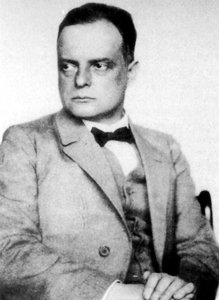
1879 - 1940 , Schweiz


Bleiben Sie über die neuesten Kunstnachrichten, exklusive Angebote und Dekorationsideen auf dem Laufenden.
Erzählen Sie uns von Ihrem Projekt, und unsere Kunstexperten erstellen für Sie drei personalisierte Kunstvorschläge.
Wir kuratieren 3 Optionen exklusiv für Sie – kostenlos!


 Vorschau anzeigen
 Versenden
 Teilen
 Details anzeigen

 Herunterladen
 Ähnliche Objekte
 Röntgenaufnahme
 Diashow
 Weiterlesen


