x

 Oil On CanvasWallArtContemporary Realism
 1848
1848 220.0 x 171.0 cm
 Musée d'Orsay
Handgemaltes Ölgemälde auf Leinwand in Ihrer Wunschgröße und mit Rahmen, auf Bestellung von unseren Künstlern angefertigt. ( Druck bestellen Bild kaufen)





























Wählen Sie aus unseren vordefinierten Formaten, die den ursprünglichen Proportionen des Kunstwerks entsprechen.

Sie können Ihre eigenen Maße eingeben, um einen bestimmten Rahmen oder Platz auszufüllen. Wenn die gewählte Größe nicht den Proportionen des Originalbildes entspricht, werden wir das Kunstwerk entweder beschneiden oder das Gemälde durch zusätzliche, handgemalte Elemente erweitern. Ein digitales Mockup wird Ihnen zur Genehmigung zugesandt, bevor die Produktion beginnt.
Bitte beachten Sie, dass die Bildschirmvorschau nicht die tatsächliche Beschneidung oder Erweiterung widerspiegelt. Nur das Mockup zeigt die endgültige Komposition exakt an.
Obwohl Sondermaße verfügbar sind, empfehlen wir, eine Größe aus der vordefinierten Liste zu wählen, um die ursprünglichen Proportionen beizubehalten.
Weltweiter Versand () in nur 3 bis 4 Wochen statt der üblichen 5 Wochen. (13 August). Keine Kompromisse bei der Qualität.


The Lightning
Format der Reproduktion
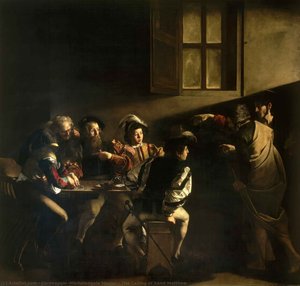
“The Lightning,” painted in 1848 by the French artist Pierre Alexandre Antigna, is more than just a depiction of a family huddled together during an electrical storm; it’s a poignant meditation on vulnerability, familial love, and the raw power of nature. Antigna, a key figure in Parisian Realism, masterfully captures a fleeting moment of intense emotion within a dimly lit interior, drawing the viewer into a scene brimming with both immediate danger and profound tenderness. The painting immediately evokes a sense of urgency – the dark background, punctuated by the suggestion of rain-streaked windows, speaks to an external threat, while the central focus on the family’s embrace offers a powerful counterpoint.
At the heart of the composition stands a man, identified as Pierre Alexandre Antigna himself, holding two infants close to his chest. His posture is one of unwavering protection, his gaze directed towards the children with an expression that blends concern and determination. Beside him, a young boy appears to be gazing out at the storm, perhaps contemplating its force or yearning for safety. The arrangement isn’t merely observational; Antigna deliberately places these figures within a confined space, emphasizing their dependence on one another and highlighting the vulnerability inherent in their situation. The limited palette – primarily dark browns, grays, and blues – reinforces this sense of confinement and impending darkness, while subtle highlights suggest the flickering light of an oil lamp, offering a fragile beacon of hope.
Antigna’s style firmly aligns with the tenets of Parisian Realism, a movement that sought to depict life as it truly was – often unflatteringly – without resorting to romanticized ideals. He employs a meticulous attention to detail, evident in the textures of the clothing, the wrinkles on the man's face, and the delicate features of the infants. The brushwork is deliberately loose and expressive, particularly in rendering the shadows and suggesting the movement of the storm outside. Notably, Antigna’s use of light is crucial; it doesn’t illuminate the scene entirely but rather creates pockets of brightness that draw attention to key elements – the faces of the family members – while leaving much of the background shrouded in mystery. This technique enhances the dramatic effect and underscores the precariousness of their circumstances.
“The Lightning” was painted during a period of significant social upheaval in Paris, following the 1848 Revolution. The city was grappling with poverty, overcrowding, and political instability. Antigna’s choice to depict a family struggling against the elements resonated deeply with contemporary audiences, reflecting anxieties about urban life and the vulnerability of ordinary people. The storm itself can be interpreted as a metaphor for the turbulent times – a force beyond their control that threatens to overwhelm them. The act of holding the infants represents not just physical protection but also the preservation of hope and future generations amidst chaos. Drawing on research, it’s noted that Antigna lived in the impoverished Île Saint-Louis district, giving him firsthand experience with the hardships faced by many Parisians.
Despite its somber subject matter, “The Lightning” possesses a remarkable emotional resonance. The painting’s power lies in its ability to evoke empathy for the family depicted – their vulnerability, their love, and their unwavering commitment to one another. It's a testament to the enduring strength of the human spirit in the face of adversity. Reproductions of this powerful work continue to captivate viewers today, offering a poignant reminder of our shared humanity and the importance of connection amidst uncertainty. The painting’s legacy resides not only in its artistic merit but also in its ability to spark reflection on social issues and the enduring value of family bonds.


1817 - 1878 , Frankreich

Turn scattered family photos into a breathtaking hand-painted oil masterpiece. Most-Famous-Paintings specializes in merging multiple images into one cohesive, museum-quality heirloom. Experience professional artistry, digital mockups, and a 100% satisfaction guarantee for your family's legacy.


Bleiben Sie über die neuesten Kunstnachrichten, exklusive Angebote und Dekorationsideen auf dem Laufenden.
Erzählen Sie uns von Ihrem Projekt, und unsere Kunstexperten erstellen für Sie drei personalisierte Kunstvorschläge.
Wir kuratieren 3 Optionen exklusiv für Sie – kostenlos!


 Vorschau anzeigen
 Versenden
 Teilen
 Details anzeigen

 Herunterladen
 Ähnliche Objekte
 Röntgenaufnahme
 Diashow
 Weiterlesen







 Die Glasoption ist nur für Größen unter 110 cm verfügbar.