


x

Giclée- oder Leinwanddruck in Museumsqualität mit schneller Produktion und flexiblen Veredelungsoptionen. ( Handgemalte Reproduktion bestellen Bild kaufen)





























Wählen Sie aus unseren vordefinierten Formaten, die den ursprünglichen Proportionen des Kunstwerks entsprechen.

Sie können Ihre eigenen Maße eingeben, um ein bestimmtes Format oder einen speziellen Platz einzupassen. Wenn das von Ihnen gewählte Format nicht den Proportionen des Originalbildes entspricht, werden wir das Kunstwerk entweder beschneiden oder das Bild mit einem gespiegelten oder einfarbigen Rand erweitern. Ein digitaler Entwurf wird Ihnen zur Genehmigung zugesandt, bevor die Produktion beginnt.
Bitte beachten Sie, dass die Vorschau auf dem Bildschirm nicht den tatsächlichen Zuschnitt oder die Erweiterung widerspiegelt. Nur der Entwurf zeigt die endgültige Komposition präzise an.
Obwohl Sondermaße verfügbar sind, empfehlen wir die Auswahl eines Maßes aus der vordefinierten Liste, um die ursprünglichen Proportionen zu bewahren.
Weltweiter Versand () innerhalb von 2 Wochen statt der üblichen 4/5 Wochen. (22 August)


Junger Bauer beim Essen eines Apfels
Format der Reproduktion
Pierre-Auguste Renoir's "Young Peasant Eating an Apple," painted in 1894, isn’t merely a portrait; it’s a carefully constructed tableau vivant – a fleeting snapshot of rural life imbued with the artist’s signature Impressionistic light and warmth. This work, currently residing in a private collection, offers a poignant glimpse into a world far removed from the bustling Parisian salons that defined much of Renoir's early career. The painting immediately draws the eye to its subject: a young woman, her posture suggesting both casual repose and a subtle awareness of being observed. She stands before a simple tree, bathed in dappled sunlight, holding an apple – a symbol of innocence, health, and earthly pleasure – in her hand.
Renoir’s masterful technique is evident in the loose, broken brushstrokes that define the figure and the background. He eschews sharp outlines and precise detail, instead prioritizing the capture of light and atmosphere. The color palette is dominated by soft greens, yellows, and blues, creating a sense of tranquility and harmony. Notice how Renoir uses subtle variations in tone to model the woman’s form – suggesting curves and contours without resorting to heavy shading. This delicate approach is characteristic of Impressionism's pursuit of capturing the ephemeral qualities of light and color.
Painted during a period of significant social and artistic change in France, "Young Peasant Eating an Apple" reflects Renoir’s evolving interests. Following his early success with scenes of Parisian nightlife and fashionable society, he increasingly turned to the countryside as a source of inspiration. This shift wasn't simply escapism; it represented a conscious effort to reconnect with nature and explore themes of rural beauty and simplicity. The painting can be viewed within the broader context of the Impressionist movement’s fascination with everyday life – a deliberate departure from the grand historical narratives favored by earlier generations of artists.
However, even in this seemingly idyllic scene, there's an underlying tension. Renoir was acutely aware of the growing divide between urban and rural France. Paris, with its burgeoning modernity and industrialization, was rapidly transforming the landscape and displacing traditional ways of life. The woman’s pose, while relaxed, also carries a hint of vulnerability – a subtle acknowledgment of her position within this changing world. The painting serves as a quiet meditation on the beauty and fragility of rural existence.
Beyond its technical brilliance, "Young Peasant Eating an Apple" is rich in symbolic meaning. The apple itself is a potent symbol – representing not only nourishment but also temptation, knowledge, and mortality. The woman’s simple attire suggests her humble status, while her direct gaze invites the viewer to contemplate her story. There's a sense of timelessness about the scene; it feels as if this moment could have occurred at any point in history.
Renoir masterfully evokes an emotional response through his use of light and color. The dappled sunlight creates a feeling of warmth and intimacy, drawing the viewer into the scene. The painting’s quiet serenity invites contemplation – prompting us to reflect on our own relationship with nature, simplicity, and the fleeting beauty of everyday moments. It's a reminder that even in the most ordinary scenes, there can be profound emotional resonance.
Most-Famous-Paintings offers meticulously crafted hand-painted reproductions of “Young Peasant Eating an Apple,” allowing you to experience the full beauty and artistry of this iconic painting. Our skilled artists faithfully recreate Renoir's delicate brushwork, vibrant colors, and evocative atmosphere, ensuring that your reproduction captures the essence of the original masterpiece. Whether displayed in a formal living room or a cozy study, a Most-Famous-Paintings reproduction will bring a touch of Impressionistic charm to any space. Explore our range of sizes and materials – from luxurious canvas prints to elegant framed reproductions – and discover the perfect way to celebrate Renoir’s enduring legacy.

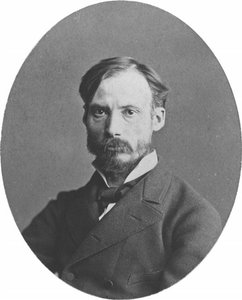
1841 - 1919 , Frankreich

Entdecken Sie die 25 schönsten Meisterwerke von Pierre-Auguste Renoir! Tauchen Sie ein in die Welt des Impressionismus, erleben Sie berühmte Gemälde wie 'Bal au moulin de la Galette' und finden Sie hochwertige Kunstdrucke für Ihr Zuhause. Jetzt auf Most-Famous-Paintings.com!

Entdecken Sie die 10 Meisterwerke des Impressionismus! Von Monet bis Renoir – erfahren Sie die Geschichten hinter ikonischen Gemälden, Techniken & Farben. Hochwertige Reproduktionen auf Most-Famous-Paintings.com.

Explore the profound artistic significance of sketches throughout history. From Renaissance masters to modern innovators like Van Gogh & Guston, discover how these foundational works reveal technique, emotion, and vision. Learn more at Most-Famous-Paintings.

Entdecken Sie die 10 Meisterwerke des Impressionismus! Von Monet bis Renoir – erleben Sie die Geschichten, Techniken & Farben berühmter Künstler. Kunstdrucke in Museumsqualiät auf Most-Famous-Paintings.com.

Explore the captivating world of Pierre-Auguste Renoir! Discover his life, iconic Impressionist masterpieces & enduring legacy with our expert guide. High-quality reproductions available.


Bleiben Sie über die neuesten Kunstnachrichten, exklusive Angebote und Dekorationsideen auf dem Laufenden.
Erzählen Sie uns von Ihrem Projekt, und unsere Kunstexperten erstellen für Sie drei personalisierte Kunstvorschläge.
Wir kuratieren 3 Optionen exklusiv für Sie – kostenlos!


 Vorschau anzeigen
 Versenden
 Teilen
 Details anzeigen

 Herunterladen
 Ähnliche Objekte
 Röntgenaufnahme
 Diashow

 Weiterlesen







 Die Glasoption ist nur für Größen unter 110 cm verfügbar.


