


x

Giclée- oder Leinwanddruck in Museumsqualität mit schneller Produktion und flexiblen Veredelungsoptionen. ( Handgemalte Reproduktion bestellen Bild kaufen)





























Wählen Sie aus unseren vordefinierten Formaten, die den ursprünglichen Proportionen des Kunstwerks entsprechen.

Sie können Ihre eigenen Maße eingeben, um ein bestimmtes Format oder einen speziellen Platz einzupassen. Wenn das von Ihnen gewählte Format nicht den Proportionen des Originalbildes entspricht, werden wir das Kunstwerk entweder beschneiden oder das Bild mit einem gespiegelten oder einfarbigen Rand erweitern. Ein digitaler Entwurf wird Ihnen zur Genehmigung zugesandt, bevor die Produktion beginnt.
Bitte beachten Sie, dass die Vorschau auf dem Bildschirm nicht den tatsächlichen Zuschnitt oder die Erweiterung widerspiegelt. Nur der Entwurf zeigt die endgültige Komposition präzise an.
Obwohl Sondermaße verfügbar sind, empfehlen wir die Auswahl eines Maßes aus der vordefinierten Liste, um die ursprünglichen Proportionen zu bewahren.
Weltweiter Versand () innerhalb von 2 Wochen statt der üblichen 4/5 Wochen. (21 August)


Spiegelung
Format der Reproduktion
Pierre-Auguste Renoir's "Reflection," painted in 1877, isn’t merely a portrait; it’s an exquisite distillation of Impressionist philosophy – a fleeting capture of light, emotion, and the quiet beauty of everyday life. This captivating work, housed within private collections today, invites us into a serene Parisian moment, a subtle dance between observation and interpretation. The painting immediately draws the eye to a woman, her features partially obscured by shadow, gazing off-camera with an enigmatic expression. Her posture suggests contemplation, perhaps a wistful memory or a quiet anticipation; the viewer is invited to project their own emotions onto this silent observer.
Renoir’s masterful use of color is central to the painting's allure. The vibrant red ribbon adorning her hat acts as a focal point, injecting a spark of warmth and energy into the otherwise muted palette. This bold hue contrasts beautifully with the deep black of her hat, creating a dynamic visual interplay that immediately grabs attention. The careful layering of brushstrokes – visible yet blended seamlessly – contributes to the painting’s soft, atmospheric quality, characteristic of Impressionism's pursuit of capturing the ephemeral effects of light and color. The background, featuring a simple chair, isn’t merely decorative; it provides depth and context, grounding the scene in a domestic setting and enhancing the sense of intimacy.
“Reflection” exemplifies Renoir's revolutionary approach to light – a cornerstone of the Impressionist movement. Rather than striving for photographic realism, he sought to depict how light *feels*, its transient qualities and shifting reflections. As discussed in numerous art historical analyses, including those available on platforms like WikiArt, traditional painting techniques focused heavily on precise shading and modeling to create the illusion of three-dimensionality. Renoir, however, deliberately avoided these methods, opting instead for broken brushstrokes applied in short, vibrant dabs. This technique allowed him to capture the way light scatters and refracts, creating a shimmering effect that mimics the natural world.
The painting’s luminosity isn't achieved through meticulous detail but rather through the skillful manipulation of color and texture. Notice how Renoir uses subtle variations in tone to suggest form and volume, relying on the viewer’s eye to complete the image. This approach was a radical departure from academic conventions and paved the way for future generations of artists to explore new ways of representing light and space. The painting's overall impression is one of warmth and tranquility, as if bathed in the golden light of late afternoon.
Pierre-Auguste Renoir stands as a pivotal figure in the transition from Realism to Impressionism. His early works, influenced by artists like Rubens and Watteau, demonstrated an appreciation for beauty and sensuality – qualities that would remain central to his artistic vision throughout his career. However, he was also deeply impacted by the emerging Realist styles of Courbet and Manet, particularly their depictions of modern life and rejection of idealized forms. Renoir’s willingness to experiment with new techniques and subject matter ultimately led him to become a leading voice in the Impressionist movement.
His influence extended far beyond his own time. Artists like Paul Cézanne, who followed in the footsteps of Renoir, were profoundly affected by his innovative use of color and brushstrokes. Cézanne’s later works, such as “The Obstpfluckerin,” demonstrate a clear debt to Renoir's emphasis on capturing the fleeting effects of light and color. Exploring Renoir’s work alongside that of other Impressionists – including Monet and Sisley – provides a deeper understanding of the movement’s core principles and its lasting impact on the history of art. For those seeking further insight, reproductions are available at Museu Rhode Island School of Design Museum of Art.
"Reflection" is more than just a painting; it’s an invitation to pause, reflect, and connect with the beauty of a simple moment. The enigmatic expression of the woman in the portrait invites speculation and encourages viewers to project their own emotions onto the scene. The soft colors, delicate brushstrokes, and masterful use of light create a sense of nostalgia and tranquility – qualities that continue to resonate with audiences today. High-quality reproductions of this iconic work are available through Most-Famous-Paintings.com, allowing you to bring this exquisite Impressionist masterpiece into your home or office.

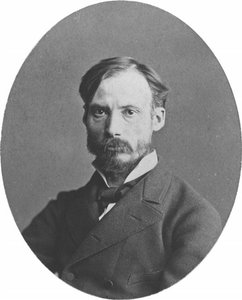
1841 - 1919 , Frankreich

Entdecken Sie die 25 schönsten Meisterwerke von Pierre-Auguste Renoir! Tauchen Sie ein in die Welt des Impressionismus, erleben Sie berühmte Gemälde wie 'Bal au moulin de la Galette' und finden Sie hochwertige Kunstdrucke für Ihr Zuhause. Jetzt auf Most-Famous-Paintings.com!

Entdecken Sie die 10 Meisterwerke des Impressionismus! Von Monet bis Renoir – erfahren Sie die Geschichten hinter ikonischen Gemälden, Techniken & Farben. Hochwertige Reproduktionen auf Most-Famous-Paintings.com.

Entdecken Sie die Top 10 berühmter Gemälde, beherrscht von dunklen Tönen! Von Caravaggio bis Manet – erfahren Sie die Geschichten hinter Meisterwerken der Kunstgeschichte. Finden Sie Ihre perfekte Reproduktion auf .

Explore the rich symbolism of the red dress in art history! From ancient power displays to iconic portraits like Cézanne’s 'Madame Cezanne', discover the cultural and artistic significance behind this captivating color. Expert analysis & insights.

Entdecken Sie die 10 Meisterwerke des Impressionismus! Von Monet bis Renoir – erleben Sie die Geschichten, Techniken & Farben berühmter Künstler. Kunstdrucke in Museumsqualiät auf Most-Famous-Paintings.com.


Bleiben Sie über die neuesten Kunstnachrichten, exklusive Angebote und Dekorationsideen auf dem Laufenden.
Erzählen Sie uns von Ihrem Projekt, und unsere Kunstexperten erstellen für Sie drei personalisierte Kunstvorschläge.
Wir kuratieren 3 Optionen exklusiv für Sie – kostenlos!


 Vorschau anzeigen
 Versenden
 Teilen
 Details anzeigen

 Herunterladen
 Ähnliche Objekte
 Röntgenaufnahme
 Diashow

 Weiterlesen







 Die Glasoption ist nur für Größen unter 110 cm verfügbar.


