x

 Acrylic On CanvasWallArtNorthern Renaissance
 1535
1535 9.0 x 7.0 cm
 Louvre
Erwerben Sie ein hochauflösendes, optimiertes digitales Bild, das der Online-Vorschau weit überlegen ist.
Jede Datei wird von unseren hauseigenen Spezialisten mit modernsten Werkzeugen und fachmännischer manueller Retusche sorgfältig vorbereitet. Wir stellen sicher, dass jedes Bild eine außergewöhnliche Klarheit, präzise Farbgenauigkeit und feinste Details aufweist.
Die endgültige Datei wird innerhalb von 72 Stunden per E-Mail zugestellt und ist für den sofortigen Einsatz in professionellen, redaktionellen und Druckumgebungen optimiert. Es handelt sich um dieselbe Qualität, der führende Designstudios, Verlage und Galerien vertrauen.
Laden Sie eine hochauflösende Datei für die persönliche Präsentation, den Druck und kreative Projekte herunter. ( Druck bestellen Handgemalte Reproduktion bestellen)
Wenn Sie sich für Most-Famous-Paintings.com entscheiden, erhalten Sie nicht nur ein Bild – Sie erhalten ein professionell aufbereitetes digitales Kunstwerk, das mit höchster Präzision erstellt und durch eine Zufriedenheitsgarantie abgesichert wird. Hier ist alles, was automatisch mit Ihrer Bestellung geliefert wird:

Ihre hochauflösende digitale Bilddatei wird Ihnen innerhalb von 72 Stunden nach der Bestellung per E-Mail zugestellt – bereit zur sofortigen Verwendung.

Ihre Kunstwerke werden professionell mithilfe fortschrittlicher KI-Tools und manueller Bearbeitung optimiert, um maximale Detailtreue, Klarheit und Farbgenauigkeit zu gewährleisten.

Datei versehentlich gelöscht oder verloren? Keine Sorge – wir senden sie Ihnen jederzeit kostenlos erneut zu.

Genießen Sie Ihr Kunstwerk sofort ohne Zollgebühren, Einfuhrabgaben oder Versandkosten – digitale Downloads sind immer steuerfrei.

Wir garantieren, dass Ihr digitales Bild mithilfe professioneller Werkzeuge und Farbmanagement die Originalfarben so präzise wie möglich wiedergibt.

Sollten Sie mit Ihrem digitalen Bild nicht zufrieden sein, werden wir es überarbeiten oder Ihnen innerhalb von 60 Tagen 100% erstatten – ohne Wenn und Aber.

Nicht zufrieden? Erhalten Sie innerhalb von 60 Tagen nach Erhalt Ihrer digitalen Datei eine vollständige Rückerstattung – ohne Angabe von Gründen.

3 Bilder kaufen, 10% sparen – 5 Bilder kaufen, 15% sparen – Ab 10 Bildern 20% sparen. Ideal für kreative Projekte, Galerien und Agenturen.
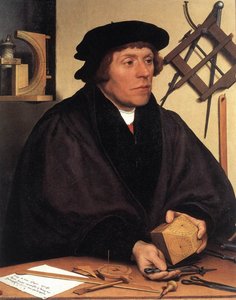
Within the hushed reverence of the Musée du Louvre in Paris resides a miniature painting that transcends its diminutive size, offering an intimate glimpse into the life and artistic vision of Simon Bening. His “Self-Portrait,” created in 1535, is not merely a likeness; it’s a carefully constructed statement about identity, skill, and the burgeoning humanist ideals of the Renaissance. Measuring just 9 x 7 centimeters on vellum, this work embodies the meticulous detail characteristic of Bening's illuminatory practice – a testament to his mastery of color, light, and texture. The painting immediately draws the eye with its stark contrast: the deep, somber tones of the artist’s clothing against the luminous white collar, a deliberate choice that elevates him as both subject and focal point.
Bening, born in Ghent around 1483, was deeply rooted in the artistic traditions of Flanders. His father, Alexander Bening, was himself an illuminator, and Simon inherited not only his technical skills but also a profound appreciation for the intricate beauty of manuscript decoration. This background profoundly shaped his style – a harmonious blend of Northern European realism with a subtle, almost ethereal quality. The painting’s composition is deceptively simple: Bening presents himself in profile, clad in a dark robe that suggests both status and introspection. The careful rendering of fabric folds, the delicate texture of his hair, and the precise detail of his hands all speak to Bening's dedication to capturing the essence of his subject with unparalleled accuracy.
To fully appreciate “Self-Portrait,” one must consider the materials and techniques employed by Bening. Vellum, a type of animal skin parchment, was prized for its smoothness and durability – ideal for the delicate work of miniature painting. The use of oil paints allowed Bening to achieve subtle gradations of color and create a remarkable sense of depth and volume within such a small space. Notably, he masterfully employed illumination techniques, evident in the careful blending of light and shadow that gives the portrait a three-dimensional quality. This wasn’t simply about replicating appearance; it was about capturing the *feeling* of presence – an achievement rarely seen in portraits of this period.
Furthermore, Bening's background as an illuminator profoundly influenced his approach to detail. He meticulously rendered every element, from the folds of his robe to the glint of light on his collar. This attention to detail wasn’t merely decorative; it reflected a deep understanding of perspective and spatial relationships – skills honed through years of working with complex illuminated manuscripts. The painting is a miniature masterpiece, showcasing not just artistic talent but also a profound technical mastery.
“Self-Portrait” offers a valuable window into the cultural and intellectual landscape of 16th-century Europe. The Renaissance witnessed a renewed interest in classical art, humanism, and individual achievement – themes that are subtly reflected in Bening’s work. The act of self-portraiture itself was becoming increasingly common during this period, as artists sought to assert their own identity and celebrate their creative abilities. This wasn't simply vanity; it was a deliberate assertion of artistic agency.
The painting’s provenance – its presence in the Louvre – further underscores its historical significance. The Musée du Louvre, one of the world’s largest and most prestigious art museums, has amassed an unparalleled collection of European masterpieces spanning centuries. “Self-Portrait” stands as a testament to Bening's enduring legacy and his place within this remarkable artistic canon. It is a tangible link to a pivotal moment in Western art history – a time of profound change, innovation, and the celebration of human potential.
While experiencing “Self-Portrait” firsthand at the Louvre remains the ideal, high-quality reproductions offer an accessible way to appreciate Bening’s artistry. Most-Famous-Paintings.com offers stunning prints that faithfully capture the painting's intricate details and luminous quality. Consider a custom reproduction in a size that complements your space – perhaps on canvas for a dramatic statement or on fine art paper for a more subtle elegance.
Beyond its aesthetic appeal, “Self-Portrait” is a powerful reminder of the enduring human desire to understand ourselves and our place in the world. It’s an invitation to contemplate the complexities of identity, the pursuit of artistic excellence, and the timeless beauty of a Renaissance masterpiece.


1483 - 1561 , Belgien


Bleiben Sie über die neuesten Kunstnachrichten, exklusive Angebote und Dekorationsideen auf dem Laufenden.
Erzählen Sie uns von Ihrem Projekt, und unsere Kunstexperten erstellen für Sie drei personalisierte Kunstvorschläge.
Wir kuratieren 3 Optionen exklusiv für Sie – kostenlos!


 Vorschau anzeigen
 Versenden
 Teilen
 Details anzeigen

 Herunterladen
 Ähnliche Objekte
 Röntgenaufnahme
 Diashow
 Weiterlesen