x

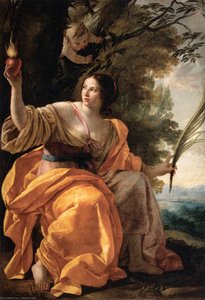
 Oil On CanvasWallArtFrench Baroque
 1640Early Modern
 393.0 x 250.0 cm
 Louvre
Giclée- oder Leinwanddruck in Museumsqualität mit schneller Produktion und flexiblen Veredelungsoptionen. ( Handgemalte Reproduktion bestellen Bild kaufen)





























Wählen Sie aus unseren vordefinierten Formaten, die den ursprünglichen Proportionen des Kunstwerks entsprechen.

Sie können Ihre eigenen Maße eingeben, um ein bestimmtes Format oder einen speziellen Platz einzupassen. Wenn das von Ihnen gewählte Format nicht den Proportionen des Originalbildes entspricht, werden wir das Kunstwerk entweder beschneiden oder das Bild mit einem gespiegelten oder einfarbigen Rand erweitern. Ein digitaler Entwurf wird Ihnen zur Genehmigung zugesandt, bevor die Produktion beginnt.
Bitte beachten Sie, dass die Vorschau auf dem Bildschirm nicht den tatsächlichen Zuschnitt oder die Erweiterung widerspiegelt. Nur der Entwurf zeigt die endgültige Komposition präzise an.
Obwohl Sondermaße verfügbar sind, empfehlen wir die Auswahl eines Maßes aus der vordefinierten Liste, um die ursprünglichen Proportionen zu bewahren.
Weltweiter Versand () innerhalb von 2 Wochen statt der üblichen 4/5 Wochen. (23 August)


Presentation in the Temple
Format der Reproduktion
To stand before this magnificent depiction of Presentation in the Temple is to be enveloped by a palpable sense of sacred drama. The air itself seems thick with reverence, capturing that pivotal moment when the divine narrative unfolds for all to witness. Simon Vouet, masterfully channeling the energy of the Baroque era, has gifted us a scene teeming with life—a vibrant confluence of human emotion and celestial wonder. One cannot help but feel the weight of history and faith pressing down from the richly colored atmosphere surrounding Mary and Jesus as they are presented within the hallowed walls of the temple.
The sheer scale, measuring 393 x 250 cm, commands attention, much like a grand fresco adorning a palazzo wall. Vouet’s handling of light is nothing short of breathtaking; it does not merely illuminate the figures but seems to emanate from the spiritual core of the event itself. Observe the composition: it is a carefully orchestrated ballet of humanity and the supernatural. From the foreground, where intimate exchanges occur, the eye is drawn back through layers of activity—the surrounding observers, engaged in hushed conversation or rapt attention. Above them all, angels drift like luminous thoughts across the upper register, their presence suggesting an unseen, heavenly approval.
Every element within this canvas whispers a story of profound meaning. The gathering itself is rich with symbolic weight; it marks not just a ritual observance but the public acknowledgment of Christ’s divine status. Notice the inclusion of the dog near the bottom left corner—a subtle yet potent detail that often symbolizes fidelity and unwavering devotion, grounding the ethereal drama in tangible loyalty. Vouet populates this scene with at least thirteen figures, each playing a role in the grand tapestry of faith. The interplay between these numerous characters creates a dynamic tension, allowing the viewer to meditate on themes of witness, piety, and divine revelation.
As a pioneer of French Baroque painting, Simon Vouet imbued this work with an emotional intensity that transcends mere depiction. His style moves beyond the cool detachment of earlier periods; here, we feel the warmth of Mary’s concern, the solemnity of the priests, and the awe of the onlookers. The rich palette, characteristic of the period around 1640, utilizes deep jewel tones juxtaposed with brilliant highlights, giving the entire scene a luxurious, almost tactile quality. Owning or displaying a reproduction of this piece is to invite a masterpiece of emotional resonance into your space—a constant reminder of art’s power to elevate the everyday moment into something eternal.

Simon Vouet war eine zentrale Figur im Übergang der französischen Malerei vom Manierismus zum Barockstil. Geboren in einer künstlerischen Familie – sein Vater Laurent war Maler und sein Bruder Aubin widmete sich ebenfalls der Kunst –, erhielt Vouet eine frühe Ausbildung, die den Grundstein für seinen späteren Erfolg legte. Sein Enkel Ludovico Dorigny würde das künstlerische Erbe der Familie fortsetzen.
Während seines italienischen Aufenthalts absorbierte Vouet eine Vielzahl von Einflüssen. Er studierte die dramatischen Lichtführungstechniken, die Caravaggio begründete, übernahm Elemente des italienischen Manierismus und analysierte akribisch die Farbpaletten und die di sotto in su (Unter-von-oben-Perspektive), die Paolo Veronese verwendete. Er ließ sich auch von den Werken von Carracci, Guercino, Lanfranco und Guido Reni inspirieren und synthetisierte diese vielfältigen Stile zu einer einzigartigen künstlerischen Vision.
Simon Vouets Vermächtnis beruht auf seiner entscheidenden Rolle als Brücke zwischen italienischer und französischer Kunst. Er importierte erfolgreich den Dynamismus und die Pracht des italienischen Barocks und verwandelte ihn in einen Stil, der bei dem französischen Hofstaat und Adel Anklang fand. Sein Einfluss ist unbestreitbar in der Entwicklung der französischen Malerei im 17. Jahrhundert, und seine Beiträge werden von Kunsthistorikern bis heute anerkannt.

1590 - 1649 , Frankreich

Explore the profound elegance of Baroque Classicism. Discover how 17th-century masters synthesized dramatic emotion with classical order through the lens of the Counter-Reformation and the works of legends like Carlo Maratta and Andrea Sacchi.

Explore the dramatic power of Baroque art through an expert guide to light, shadow, and emotion. Discover how the Counter-Reformation shaped 17th-century masterpieces and learn about the profound techniques used by the Old Masters to inspire awe.

Explore the dramatic evolution from Mannerist distortion to Baroque grandeur. Discover how light, shadow, and emotion redefined art history through a masterclass in technical mastery and religious fervor.

Explore the profound differences between Baroque drama and Rococo elegance. Our expert guide delves into art history, chiaroscuro, and the evolution of European masterpieces for collectors and enthusiasts seeking deep historical context.

Explore the profound drama of 17th-century Baroque art. Discover how masters used chiaroscuro, movement, and emotional intensity to redefine history through the lens of the Counter-Reformation. An expert guide for art historians and collectors seeking deep cultural insight.


Bleiben Sie über die neuesten Kunstnachrichten, exklusive Angebote und Dekorationsideen auf dem Laufenden.
Erzählen Sie uns von Ihrem Projekt, und unsere Kunstexperten erstellen für Sie drei personalisierte Kunstvorschläge.
Wir kuratieren 3 Optionen exklusiv für Sie – kostenlos!


 Vorschau anzeigen
 Versenden
 Teilen
 Details anzeigen

 Herunterladen
 Ähnliche Objekte
 Röntgenaufnahme
 Diashow
 Weiterlesen







 Die Glasoption ist nur für Größen unter 110 cm verfügbar.