x

 Oil On CanvasWallArtFrench Baroque Painting
 1618
1618 120.0 x 170.0 cm
 National Gallery of Canada
Giclée- oder Leinwanddruck in Museumsqualität mit schneller Produktion und flexiblen Veredelungsoptionen. ( Handgemalte Reproduktion bestellen Bild kaufen)





























Wählen Sie aus unseren vordefinierten Formaten, die den ursprünglichen Proportionen des Kunstwerks entsprechen.

Sie können Ihre eigenen Maße eingeben, um ein bestimmtes Format oder einen speziellen Platz einzupassen. Wenn das von Ihnen gewählte Format nicht den Proportionen des Originalbildes entspricht, werden wir das Kunstwerk entweder beschneiden oder das Bild mit einem gespiegelten oder einfarbigen Rand erweitern. Ein digitaler Entwurf wird Ihnen zur Genehmigung zugesandt, bevor die Produktion beginnt.
Bitte beachten Sie, dass die Vorschau auf dem Bildschirm nicht den tatsächlichen Zuschnitt oder die Erweiterung widerspiegelt. Nur der Entwurf zeigt die endgültige Komposition präzise an.
Obwohl Sondermaße verfügbar sind, empfehlen wir die Auswahl eines Maßes aus der vordefinierten Liste, um die ursprünglichen Proportionen zu bewahren.
Weltweiter Versand () innerhalb von 2 Wochen statt der üblichen 4/5 Wochen. (18 August)


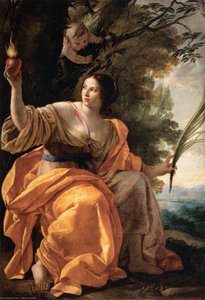
The Fortune Teller
Format der Reproduktion
The Fortune Teller, painted in 1618 by the masterful Simon Vouet, offers a captivating glimpse into the social and artistic currents of early 17th-century France. This portrait, measuring 120 x 170 cm, transcends a simple depiction of a gathering; it’s a carefully constructed tableau that speaks volumes about patronage, conversation, and the burgeoning influence of the Baroque style. Vouet, a pivotal figure in transitioning French painting from Mannerism to the more dynamic Baroque, meticulously renders his subject – a woman adorned in a vibrant red dress – amidst a group of attentive onlookers. The scene unfolds with an air of quiet engagement, hinting at the importance of social interaction and perhaps even divination within this era.
The presence of the clock in the upper portion of the painting is particularly intriguing. While seemingly decorative, it subtly reinforces the theme of time – a recurring motif in Baroque art – and perhaps alludes to the act of fortune-telling itself. The red dress worn by the central figure commands attention, a bold color choice that would have been highly fashionable at the time and likely associated with wealth and status. The scene’s setting, though not explicitly detailed, suggests a private salon or gathering place within Paris, reflecting the growing importance of intellectual and artistic circles in the city.
Executed in oil on canvas, The Fortune Teller showcases Vouet’s mastery of glazing techniques. The smooth surfaces and luminous colors are achieved through meticulous layering of thin washes of paint – a hallmark of his style. The artist’s attention to detail is evident in the rendering of fabrics, textures, and subtle variations in skin tone. This level of technical precision contributed significantly to the painting's enduring appeal and its place as a seminal work within Vouet’s oeuvre.
This hand-painted reproduction captures the essence of Simon Vouet’s artistic vision, offering an exquisite addition to any art collection or interior design scheme. Its evocative portrayal of 17th-century Parisian society and its masterful execution make it a truly timeless piece. Bring the drama and sophistication of this Baroque masterpiece into your home with Most-Famous-Paintings.com's meticulously crafted reproduction.

Simon Vouet war eine zentrale Figur im Übergang der französischen Malerei vom Manierismus zum Barockstil. Geboren in einer künstlerischen Familie – sein Vater Laurent war Maler und sein Bruder Aubin widmete sich ebenfalls der Kunst –, erhielt Vouet eine frühe Ausbildung, die den Grundstein für seinen späteren Erfolg legte. Sein Enkel Ludovico Dorigny würde das künstlerische Erbe der Familie fortsetzen.
Während seines italienischen Aufenthalts absorbierte Vouet eine Vielzahl von Einflüssen. Er studierte die dramatischen Lichtführungstechniken, die Caravaggio begründete, übernahm Elemente des italienischen Manierismus und analysierte akribisch die Farbpaletten und die di sotto in su (Unter-von-oben-Perspektive), die Paolo Veronese verwendete. Er ließ sich auch von den Werken von Carracci, Guercino, Lanfranco und Guido Reni inspirieren und synthetisierte diese vielfältigen Stile zu einer einzigartigen künstlerischen Vision.
Simon Vouets Vermächtnis beruht auf seiner entscheidenden Rolle als Brücke zwischen italienischer und französischer Kunst. Er importierte erfolgreich den Dynamismus und die Pracht des italienischen Barocks und verwandelte ihn in einen Stil, der bei dem französischen Hofstaat und Adel Anklang fand. Sein Einfluss ist unbestreitbar in der Entwicklung der französischen Malerei im 17. Jahrhundert, und seine Beiträge werden von Kunsthistorikern bis heute anerkannt.

1590 - 1649 , Frankreich

Elevate your design projects with Most-Famous-Paintings's premium canvas prints and hand-painted reproductions. Discover affordable, museum-quality wall decor delivered worldwide, offering freelance decorators professional excellence, archival durability, and bespoke customization for every space.

Explore the profound differences between Baroque drama and Rococo elegance. Our expert guide delves into art history, chiaroscuro, and the evolution of European masterpieces for collectors and enthusiasts seeking deep historical context.


Bleiben Sie über die neuesten Kunstnachrichten, exklusive Angebote und Dekorationsideen auf dem Laufenden.
Erzählen Sie uns von Ihrem Projekt, und unsere Kunstexperten erstellen für Sie drei personalisierte Kunstvorschläge.
Wir kuratieren 3 Optionen exklusiv für Sie – kostenlos!


 Vorschau anzeigen
 Versenden
 Teilen
 Details anzeigen

 Herunterladen
 Ähnliche Objekte
 Röntgenaufnahme
 Diashow
 Weiterlesen







 Die Glasoption ist nur für Größen unter 110 cm verfügbar.