x

Giclée- oder Leinwanddruck in Museumsqualität mit schneller Produktion und flexiblen Veredelungsoptionen. ( Handgemalte Reproduktion bestellen Bild kaufen)





























Wählen Sie aus unseren vordefinierten Formaten, die den ursprünglichen Proportionen des Kunstwerks entsprechen.

Sie können Ihre eigenen Maße eingeben, um ein bestimmtes Format oder einen speziellen Platz einzupassen. Wenn das von Ihnen gewählte Format nicht den Proportionen des Originalbildes entspricht, werden wir das Kunstwerk entweder beschneiden oder das Bild mit einem gespiegelten oder einfarbigen Rand erweitern. Ein digitaler Entwurf wird Ihnen zur Genehmigung zugesandt, bevor die Produktion beginnt.
Bitte beachten Sie, dass die Vorschau auf dem Bildschirm nicht den tatsächlichen Zuschnitt oder die Erweiterung widerspiegelt. Nur der Entwurf zeigt die endgültige Komposition präzise an.
Obwohl Sondermaße verfügbar sind, empfehlen wir die Auswahl eines Maßes aus der vordefinierten Liste, um die ursprünglichen Proportionen zu bewahren.
Weltweiter Versand () innerhalb von 2 Wochen statt der üblichen 4/5 Wochen. (21 August)


The Letter
Format der Reproduktion
Sir John Lavery's "The Letter," painted in 1908, isn’t merely a portrait; it’s a carefully constructed tableau of domestic intimacy and subtle emotional depth. Captured with the Impressionistic brushstrokes characteristic of his later work, the painting depicts a woman seated on a plush bed, completely absorbed in reading a letter – an act that immediately invites speculation about its contents and the recipient's impact. Lavery masterfully eschews overt drama, instead focusing on capturing a fleeting moment of quiet contemplation, a stillness that speaks volumes about the subject’s inner world.
The painting’s composition is deceptively simple yet profoundly effective. The woman, positioned slightly off-center, anchors the scene while the four-poster bed and flowing curtains create a sense of enveloping comfort and privacy. Notice how Lavery uses the architecture to subtly guide the viewer's eye – the receding lines of the bed frame and window draw us into the intimate space, mirroring the subject’s absorption in her reading. The color palette is deliberately muted—soft yellows, creams, and pale blues dominate—evoking a sense of warmth and serenity, while touches of pink in the woman’s dress and cheeks offer delicate highlights that prevent the scene from becoming overly somber.
Lavery’s Impressionistic style is evident in every brushstroke. He employs a technique of layering thin washes of oil paint, building up color gradually to create luminous effects and a sense of atmospheric depth. The visible texture of the paint—the loose, broken strokes—contribute significantly to the painting's overall feeling of immediacy and spontaneity. Unlike more rigid academic styles, Lavery prioritized capturing the *impression* of light and color rather than precise detail. This is particularly noticeable in the rendering of the fabrics – the velvet curtains appear almost weightless, while the woman’s dress flows with a subtle grace.
The artist's influence from Whistler is palpable; Lavery shared Whistler’s interest in capturing fleeting moments and exploring the interplay of light and color. However, unlike Whistler’s often abstract compositions, Lavery grounds his work in recognizable subjects—portraits, landscapes, and scenes of everyday life—making them accessible to a wider audience. “The Letter” exemplifies this balance between artistic experimentation and narrative clarity.
Beyond its surface beauty, "The Letter" is rich with symbolic potential. The act of reading a letter inherently carries layers of meaning – anticipation, revelation, perhaps even heartbreak or longing. The woman’s posture—her head bent slightly downward, her gaze fixed on the page—suggests deep concentration and vulnerability. She's not simply reading; she’s receiving something that profoundly affects her.
Considering Lavery’s own life – his early loss of parents, his subsequent moves between Glasgow and London, and his later years spent in Ireland – it’s possible to interpret the painting as a reflection on themes of connection, isolation, and the enduring power of communication. The letter itself becomes a conduit for unspoken emotions and hidden desires. The subtle details—the delicate lace collar, the worn velvet cushion—add further layers of meaning, hinting at a life lived within the confines of domesticity.
“The Letter” is a quintessential example of Sir John Lavery’s remarkable talent for capturing the spirit of his age. Painted during a period of rapid social change in Britain, it offers a glimpse into the private lives of the upper classes – their rituals, their affections, and their quiet moments of reflection. Lavery's ability to portray both outward elegance and inner complexity cemented his reputation as one of the most sought-after portraitists of his time. Reproductions of this evocative work continue to resonate with viewers today, offering a timeless reminder of the power of a single, carefully observed moment.

Sir John Lavery RA war ein hoch angesehener irischer Maler, der für seine fesselnden Porträts und eindringlichen Darstellungen von Kriegsszenen bekannt ist. Geboren in Belfast, zeigte er früh künstlerisches Talent, besuchte die Haldane Academy in Glasgow in den 1870er Jahren und verbesserte seine Fähigkeiten weiter an der Académie Julian in Paris in den frühen 1880er Jahren.
Nach seiner Rückkehr nach Glasgow wurde Lavery mit den Künstlern der einflussreichen Glasgow School assoziiert. Ein entscheidender Moment kam 1888, als er den Auftrag erhielt, den Besuch von Königin Victoria bei der Internationalen Ausstellung in Glasgow zu malen. Dieser prestigeträchtige Auftrag startete seine Karriere als gefragter Gesellschaftsmaler und veranlasste ihn kurz darauf, nach London umzuziehen.
Wie William Orpen wurde Lavery während des Ersten Weltkriegs zum offiziellen Kriegskünstler ernannt. Aufgrund anhaltender gesundheitlicher Probleme und eines schweren Autounfalls infolge eines Zeppelin-Bombenangriffs konnte er jedoch nicht an der Westfront dienen. Stattdessen konzentrierte er sich darauf, Kriegsszenen innerhalb Großbritanniens festzuhalten und fing Boote, Flugzeuge und Luftschiffe ein.
Nach dem Krieg wurde Lavery zum Sir erhoben und 1921 in die Royal Academy aufgenommen. Sein persönliches Leben war eng mit bedeutenden historischen Ereignissen verbunden; er und seine Frau Hazel spielten eine diskrete Rolle im Irischen Unabhängigkeitskrieg und Bürgerkrieg, indem sie ihr Londoner Haus für irische Verhandlungsführer zur Verfügung stellten. Er verewigte Michael Collins mit seinem Gemälde "Michael Collins, Love of Ireland", das sich heute in der Hugh Lane Municipal Gallery befindet.
Laverys künstlerischer Stil vereinte Elemente des Impressionismus mit einem scharfen Auge für die Erfassung von Persönlichkeit und Atmosphäre. Seine Porträts werden für ihren Realismus, ihre Eleganz und ihre aufschlussreiche Darstellung des Charakters gefeiert. Er war auch ein begabter Landschafts- und Alltagsszenenmaler.
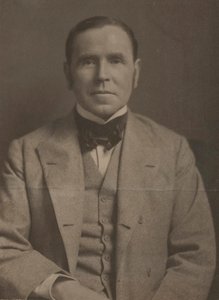
1856 - 1941 , Irland

Explore the profound symbolism of women reading through art history. From Renoir to Pissarro, discover how masterworks capture intellectual depth, privacy, and the soul's journey inward. An expert guide for fine art enthusiasts and collectors.

Explore the profound revolution of Post-Impressionism. Delve into the history, techniques, and emotional depth of masters like Van Gogh and Seurat. Discover how to transform your space with museum-quality, hand-painted oil reproductions of these iconic masterpieces.


Bleiben Sie über die neuesten Kunstnachrichten, exklusive Angebote und Dekorationsideen auf dem Laufenden.
Erzählen Sie uns von Ihrem Projekt, und unsere Kunstexperten erstellen für Sie drei personalisierte Kunstvorschläge.
Wir kuratieren 3 Optionen exklusiv für Sie – kostenlos!


 Vorschau anzeigen
 Versenden
 Teilen
 Details anzeigen

 Herunterladen
 Ähnliche Objekte
 Röntgenaufnahme
 Diashow


 Weiterlesen







 Die Glasoption ist nur für Größen unter 110 cm verfügbar.