x

Museum-quality giclée or canvas print with fast production and flexible finish options. ( Buy Hand Made Painting Buy Image)





























Pick from our preset sizes that match the artwork's original proportions.

You may enter your own dimensions to fit a specific frame or space. If your selected size does not match the original image's proportions, we will either crop the artwork or extend the image with a mirrored or solid-fill edge. A digital mockup will be sent for your approval before production begins.
Please note that the on-screen preview does not reflect the actual cropping or extension. Only the mockup will accurately show the final composition.
While custom sizes are available, we recommend selecting a dimension from the predefined list to preserve the original proportions.
Worldwide Delivery () in 2 weeks instead of standard 4/5 weeks. (14 August)


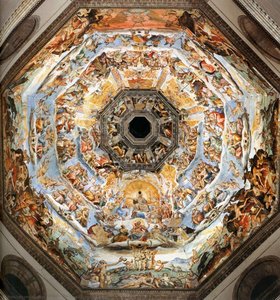
ceiling oculus
Reproduction Size
Andrea Mantegna's "Ceiling Oculus" is not merely a depiction of a painted ceiling; it’s a meticulously crafted window into the heart of Renaissance thought, a testament to the artist’s profound reverence for antiquity. Executed around 1495-1500, this remarkable work, likely commissioned for a private chapel, immediately captivates with its central oculus – a circular aperture that invites the viewer to contemplate the heavens and the divine presence within. The scene unfolds as a carefully orchestrated tableau of angels, each imbued with a sense of serene authority and classical grace, surrounding the luminous circle. Mantegna’s genius lies not just in his technical mastery but in his ability to evoke a palpable atmosphere of solemnity and spiritual contemplation.
Mantegna’s technique is characterized by its meticulous detail and precise execution. He employed oil paint on plaster, a medium that allowed for layering and glazing – essential techniques for achieving the luminous effects so characteristic of his work. Observe the subtle gradations of color, particularly in the drapery of the angels, where light plays across the fabric with remarkable realism. The artist’s attention to texture is equally impressive; from the smooth surfaces of the figures' skin to the rougher details of their garments, every element contributes to the overall sense of tangible presence. The use of gold leaf, likely applied in areas such as the oculus and certain decorative elements, would have further enhanced the painting’s splendor and symbolic significance.
The central oculus serves as a powerful symbol of divine illumination – a direct link between the earthly realm and the celestial sphere. The angels surrounding it are not simply decorative figures; they represent messengers of God, intermediaries between humanity and the divine. The inclusion of the bowl and book held by some of the angels further reinforces this religious narrative, referencing traditional symbols of charity and knowledge. The two birds, subtly placed within the composition, may have represented hope or resurrection – common motifs in Renaissance art. Mantegna’s careful arrangement of these elements creates a complex symbolic language that invites contemplation on themes of faith, redemption, and the nature of divine grace.
"Ceiling Oculus" possesses a profound emotional impact, transporting the viewer to a realm of serenity and spiritual awe. Mantegna’s masterful use of light and shadow, combined with his carefully crafted figures, evokes a sense of reverence and wonder. This painting stands as a testament to Mantegna's artistic genius and his enduring legacy as one of the most important artists of the Renaissance. A hand-painted reproduction offers an unparalleled opportunity to experience the beauty and power of this iconic work firsthand, bringing its timeless message of faith and contemplation into your home or studio.

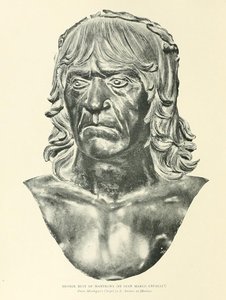
1431 - 1506 , Italy
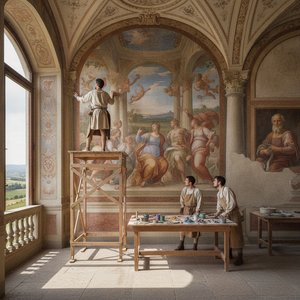
Explore the profound history and technical mastery of fresco painting. From ancient Roman murals to Michelangelo's Sistine Chapel, discover the enduring chemistry and artistry behind this timeless wall painting technique used by the world's greatest masters.

Explore the profound elegance of Neoclassicism. Discover how Enlightenment ideals, the discovery of Pompeii, and masters like Jacques-Louis David revived the glory of Greek and Roman antiquity through art defined by order, reason, and timeless beauty.


Stay updated with the latest art news, exclusive offers, and decoration ideas.
Tell us about your project and our art experts will provide you with 3 personalized art suggestions.
Let Us Curate 3 Options Just for You - Free!


 Preview
 Send
Send Share
Share
 Details

 Download
 Similars
 X-Ray
X-Ray Diaporama
 Read More







 Glass option is only available in size under 110 CM