x


 Oil On CanvasWallArtNeoclassical Portraiture
 177819th Century
 22.0 x 29.0 cm
 Tate Britain
Hand-painted oil on canvas in your size and frame, made to order by our artists.





























Pick from our preset sizes that match the artwork's original proportions.

You may enter your own dimensions to fit a specific frame or space. If your selected size does not match the original image's proportions, we will either crop the artwork or extend the painting with additional hand-painted elements. A digital mockup will be sent for your approval before production begins.
Please note that the on-screen preview does not reflect the actual cropping or extension. Only the mockup will accurately show the final composition.
While custom sizes are available, we recommend selecting a dimension from the predefined list to preserve the original proportions.
Worldwide Delivery () in 3/4 weeks instead of standard 5 weeks. (18 July). No compromise on quality.


The Bard
Reproduction Size
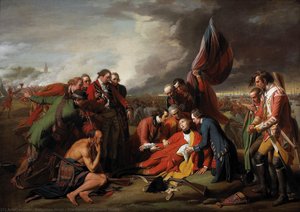
Benjamin West's "The Bard," painted in 1778, is more than just a portrait; it’s a carefully constructed meditation on the role of the poet, the weight of classical learning, and perhaps, a subtle reflection of the burgeoning revolutionary spirit taking hold across the Atlantic. Measuring a modest 22 x 29 cm, this oak panel painting currently resides within the hallowed halls of Tate Britain in London, yet its impact resonates far beyond the confines of that institution. The subject, identified as Thomas Gray – a name synonymous with contemplative verse and the iconic “Elegy Written in Country Retirement” – is presented with an almost unnerving stillness. He’s depicted in the act of playing his harp, not with exuberant joy, but with a focused intensity that suggests deep thought and perhaps, a touch of melancholy.
The painting's creation within the context of Benjamin West’s career is particularly significant. Born in 1738 in Springfield, Pennsylvania, West was a true pioneer, forging connections between the burgeoning American artistic scene and the established traditions of Europe. His unconventional upbringing – reportedly learning rudimentary techniques from Native Americans before formal training – instilled a spirit of innovation that would define his work. West’s ambition led him to study extensively in London, absorbing the influences of both Neoclassicism and the emerging Romanticism. This dual influence is powerfully evident in “The Bard,” demonstrating West's ability to synthesize diverse artistic currents into a uniquely personal style.
Beyond its formal qualities, "The Bard" is rich with symbolic meaning. The harp itself represents the power of music to evoke emotion and transport the listener to another realm. Gray’s upward gaze suggests a yearning for something beyond the earthly – perhaps a connection to the divine, or simply an acknowledgement of the vastness of human experience. The somber lighting and the subject's introspective pose contribute to a palpable sense of melancholy, reflecting Gray’s own poetic themes of loss and reflection. The painting invites viewers to contemplate not just the beauty of music but also the profound questions of life, death, and the enduring power of art.
Most-Famous-Paintings offers a meticulously crafted hand-painted reproduction of Benjamin West’s “The Bard,” capturing every nuance of detail and emotional depth. Each reproduction is created by skilled artisans, ensuring an unparalleled level of quality and authenticity. This isn't merely a print; it’s a faithful recreation of a seminal work of art, perfect for adorning walls in homes, offices, or galleries. Bring the contemplative beauty of “The Bard” into your space and experience the legacy of Benjamin West firsthand.


1738 - 1820 , United States of America

Explore 10 iconic portrait paintings – from Mona Lisa to Van Gogh’s self-portraits. Discover the stories behind these masterpieces, artistic techniques & find museum-quality art reproductions for your home at Most-Famous-Paintings.com.
Explore 25 captivating portraits by Sir Joshua Reynolds, a master of British art. Discover stories behind his iconic paintings, elegant style & historical influence. Find museum-quality reproductions and elevate your home decor on Most-Famous-Paintings.com.
Explore 10 iconic gray paintings by masters like Rembrandt, Hopper & Whistler. Discover the stories behind these atmospheric artworks and find museum-quality art reproductions for your home decor at . Explore the full collection online.

Journey through 25 iconic Claude Monet masterpieces! Explore Impressionism’s beauty, from Water Lilies to Rouen Cathedral. Discover stunning art reproductions & curated decor ideas – explore the full collection online at Most-Famous-Paintings.com.
Journey through 25 iconic artworks by Paul Cézanne – a master of Impressionism and Post-Impressionism. Explore his landscapes, still lifes, and the stories behind these timeless masterpieces. Discover museum-quality reproductions & curated decor at Most-Famous-Paintings.com.


Stay updated with the latest art news, exclusive offers, and decoration ideas.
Tell us about your project and our art experts will provide you with 3 personalized art suggestions.
Let Us Curate 3 Options Just for You - Free!


 Buy print
 Send
Send Share
Share
 Details

 Download
 Similars
 X-Ray
X-Ray Diaporama
 Read More







 Glass option is only available in size under 110 CM