x

Purchase a high-resolution, enhanced digital image, far superior to the online preview.
Each file is meticulously prepared by our in-house specialists using advanced tools and expert manual retouching. We ensure every image has exceptional clarity, precise color accuracy, and fine detail.
The final file is delivered via email within 72 hours, optimized for immediate use in professional, editorial, and print environments. This is the same quality trusted by top-tier design studios, publishers, and galleries.
Download a high-resolution file for personal display, printing, and creative projects. ( Buy Print Buy Hand Made Painting)
When you choose Most-Famous-Paintings.com, you're not just getting an image - you're receiving a professionally enhanced digital artwork, crafted with precision and backed by a satisfaction guarantee. Here's everything that comes with your order, automatically:

Your high-resolution digital image file will be emailed to you within 72 hours of ordering - ready for immediate use.

Your artwork is professionally optimized using advanced AI tools and manual editing, ensuring maximum detail, clarity, and color accuracy.

Accidentally deleted or lost your file? No worries - we'll resend it to you anytime, free of charge.

Enjoy your artwork instantly with zero customs, duties, or delivery fees - digital downloads are always tax-free.

We ensure your digital image reflects the original colors as closely as possible using professional tools and color management.

If you're not satisfied with your digital image, we'll revise it or refund 100% within 60 days - no questions asked.

Not satisfied? Get a full refund within 60 days of receiving your digital file - no questions asked.

Buy 3 images, save 10% - Buy 5, save 15% - Buy 10+, save 20%. Great for creative projects, galleries, and agencies.
Benvenuto Cellini’s “Satyr” stands as a captivating testament to the dynamism and sensual allure that defined the Mannerist period in Italian art. Completed around 1545, this bronze sculpture transcends mere representation; it embodies the very spirit of Dionysian revelry and the untamed beauty of the natural world. More than just a depiction of a mythological creature, Cellini’s satyr is an embodiment of potent emotion – a moment frozen in time, brimming with both mischievous energy and a profound, almost melancholic contemplation.
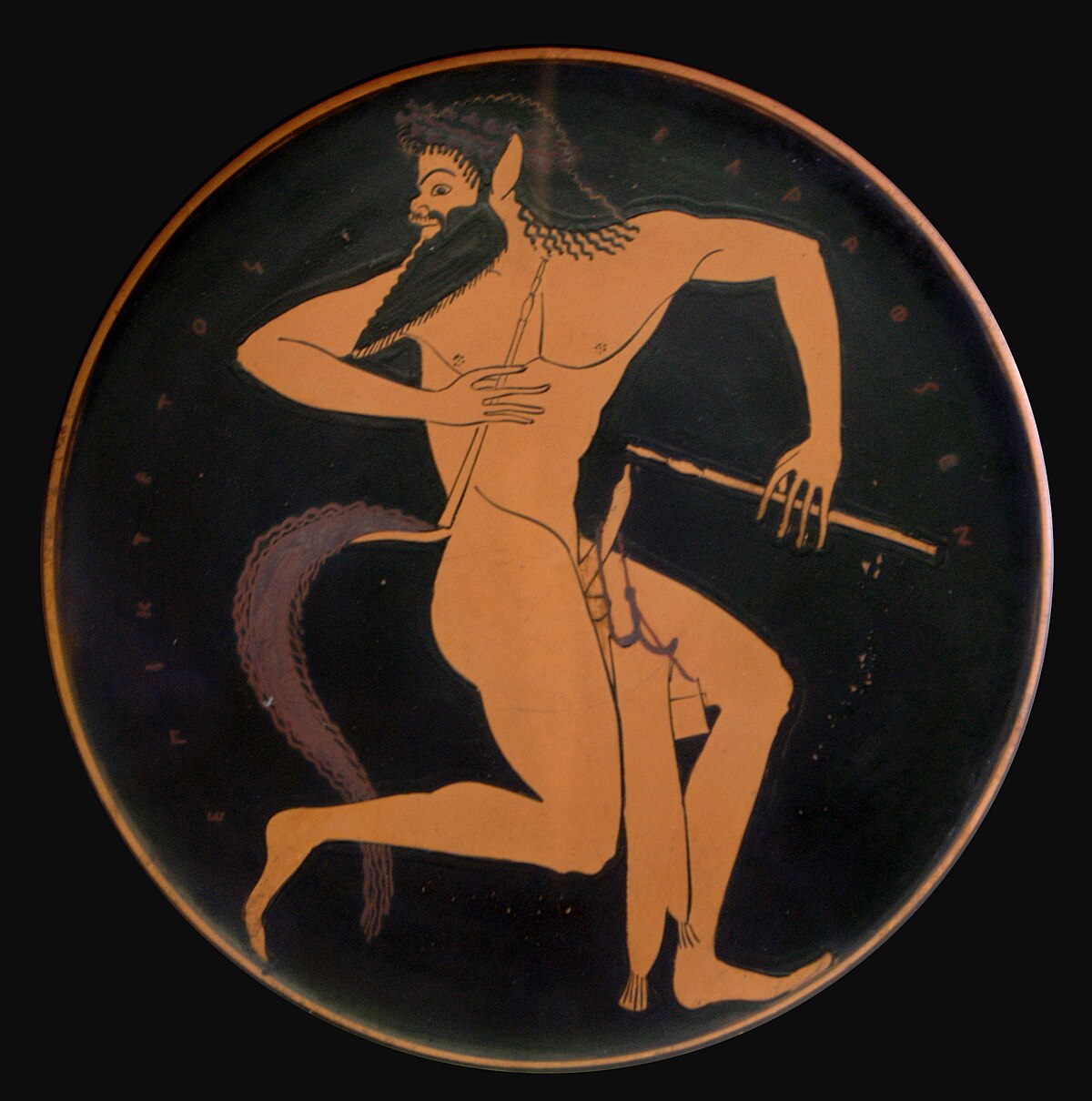
The sculpture itself is a marvel of technical skill and expressive form. Standing nearly four feet tall, the satyr is rendered in a remarkably realistic style, yet imbued with an unmistakable Mannerist flair. His muscular physique, accentuated by the strong lines of his arms and belly, speaks to a primal vitality – a celebration of the body’s inherent power. The details are exquisite: the unruly curls of his hair, the intense gaze of his eyes, the subtle suggestion of a mischievous grin. Notably, the bronze is treated with a rich, aged patina that adds depth and character, hinting at the passage of time and the sculpture's journey through history.
Cellini’s satyr isn’t simply a charming figure from Greek mythology; it’s deeply rooted in the cultural context of the 16th century. Satyrs, companions to the god Dionysus, were traditionally associated with wildness, intoxication, music, and fertility – potent symbols of human desires and impulses. In Renaissance Florence, these themes resonated powerfully, particularly within the circles of artists and intellectuals who sought to reconcile classical ideals with contemporary sensibilities. Cellini’s work reflects this complex interplay, capturing both the exuberance and the underlying melancholy inherent in the satyr's existence.
The sculpture’s creation coincided with Cellini’s time at the court of Francis I of France, a period marked by lavish patronage and an embrace of Mannerist aesthetics. This royal commission further elevated the work, imbuing it with a sense of grandeur and sophistication. The choice of bronze as the medium itself is significant – a material prized for its durability, luster, and ability to capture intricate detail.
Beyond its mythological subject matter, “Satyr” is rich in symbolic meaning. The satyr’s gesture—raised hand, as if reaching out or beckoning—suggests an invitation into a world of pleasure and abandon. The sculpture's composition, with the satyr presented in profile, creates a sense of intimacy and immediacy, drawing the viewer into his gaze. Cellini masterfully employed techniques such as *repoussé* (hammering metal from the reverse side to create relief) and *chasing* (using tools to refine the surface of the metal), demonstrating his exceptional skill as a goldsmith and sculptor.
The sculpture’s hollow back, filled with fragments of burnt clay and wooden pegs, is particularly intriguing. This deliberate inclusion suggests a layering of meaning—a reference to the satyr's connection to the earth and the cyclical nature of life and death. It also hints at Cellini’s own fascination with materials and his desire to create works that were both beautiful and intellectually stimulating.
Benvenuto Cellini’s “Satyr” remains a powerful and evocative work of art, captivating viewers with its blend of mythological narrative, technical brilliance, and emotional depth. It is a window into the Renaissance world—a celebration of human creativity, sensual desire, and the enduring power of myth. Reproductions by Most-Famous-Paintings offer an exceptional opportunity to bring this iconic masterpiece into your home or office, allowing you to appreciate its beauty and complexity for years to come.

Benvenuto Cellini was a remarkable figure of the Italian Renaissance, renowned as an accomplished goldsmith, sculptor, draftsman, soldier, musician, and writer. His multifaceted talents and flamboyant personality are vividly captured in his celebrated autobiography, considered a significant literary work alongside his artistic achievements. He embodies the spirit of Mannerism, a period following the High Renaissance characterized by dramatic flair and stylistic complexity.
Born into a family with musical inclinations – his father was a musician and instrument maker – Cellini initially showed promise in music. However, at fifteen, he passionately pursued a career as a goldsmith, convincing his reluctant father to apprentice him to Antonio di Sandro (known as Marcone). This marked the beginning of his formal artistic training. His early years were not without incident; at sixteen, he became embroiled in an affray with companions, leading to banishment from Florence and a period working in Siena under goldsmith Fracastoro.
Cellini’s style is characterized by its dynamism, realism, and attention to detail. He drew inspiration from classical antiquity and Michelangelo's powerful figures, but infused his work with a distinctly Mannerist sensibility – elongated forms, exaggerated poses, and a sense of theatricality.
Cellini’s life extended far beyond the workshop. He served as a soldier during sieges, claiming to have played a crucial role in defending Rome against imperial forces. He was also an accomplished musician, playing the cornett and flute at papal court. However, it is his autobiography that truly sets him apart.
His autobiography is not merely a recounting of events; it's a carefully constructed self-portrait designed to showcase his talents and justify his actions. While sometimes unreliable due to Cellini’s own biases, it remains an essential primary source for understanding Renaissance life.
Benvenuto Cellini died in Florence in 1571, leaving behind a legacy as one of the most important artists of Mannerism. His technical skill, artistic innovation, and captivating autobiography continue to inspire artists and art enthusiasts alike. He represents the quintessential Renaissance ideal – a polymath skilled in multiple disciplines, driven by ambition, and unafraid to express his individuality. His works are celebrated for their beauty, craftsmanship, and dramatic power, solidifying his place as a pivotal figure in Western art history.

1500 - 1571 , Italy


Stay updated with the latest art news, exclusive offers, and decoration ideas.
Tell us about your project and our art experts will provide you with 3 personalized art suggestions.
Let Us Curate 3 Options Just for You - Free!


 Preview
 Send
Send Share
Share
 Details

 Download
 Similars
 X-Ray
X-Ray Diaporama

 Read More