


x

 Oil On CanvasWallArtBaroque
 1602Renaissance
 107.0 x 146.0 cm
 Galerie de Peintures Sanssouci
Purchase a high-resolution, enhanced digital image, far superior to the online preview.
Each file is meticulously prepared by our in-house specialists using advanced tools and expert manual retouching. We ensure every image has exceptional clarity, precise color accuracy, and fine detail.
The final file is delivered via email within 72 hours, optimized for immediate use in professional, editorial, and print environments. This is the same quality trusted by top-tier design studios, publishers, and galleries.
Download a high-resolution file for personal display, printing, and creative projects. ( Buy Print Buy Hand Made Painting)
When you choose Most-Famous-Paintings.com, you're not just getting an image - you're receiving a professionally enhanced digital artwork, crafted with precision and backed by a satisfaction guarantee. Here's everything that comes with your order, automatically:

Your high-resolution digital image file will be emailed to you within 72 hours of ordering - ready for immediate use.

Your artwork is professionally optimized using advanced AI tools and manual editing, ensuring maximum detail, clarity, and color accuracy.

Accidentally deleted or lost your file? No worries - we'll resend it to you anytime, free of charge.

Enjoy your artwork instantly with zero customs, duties, or delivery fees - digital downloads are always tax-free.

We ensure your digital image reflects the original colors as closely as possible using professional tools and color management.

If you're not satisfied with your digital image, we'll revise it or refund 100% within 60 days - no questions asked.

Not satisfied? Get a full refund within 60 days of receiving your digital file - no questions asked.

Buy 3 images, save 10% - Buy 5, save 15% - Buy 10+, save 20%. Great for creative projects, galleries, and agencies.
Michelangelo Merisi da Caravaggio’s “The Incredulity of Saint Thomas” isn't merely a painting; it’s a visceral encounter with the very essence of human belief. Completed around 1602 and now residing in the Sanssouci Picture Gallery in Potsdam, Germany, this oil on canvas work transcends its historical context to resonate powerfully with viewers centuries later. It captures a pivotal moment – not of triumphant faith, but of profound questioning – as Saint Thomas, one of Jesus’s twelve apostles, tentatively touches the wounds of Christ, seeking tangible proof of the resurrection. This isn't a scene of serene acceptance; it’s a raw, intensely human drama illuminated by Caravaggio’s signature mastery of light and shadow, a technique he dubbed tenebrism.
Caravaggio’s genius lies in his ability to strip away the idealized representations common in earlier art. Here, there's no haloed Christ, no ethereal glow. Instead, we are confronted with a wounded, earthly Jesus – a man of flesh and blood, radiating an almost palpable vulnerability. The figures surrounding him are equally grounded, their faces etched with curiosity, skepticism, and perhaps even a touch of discomfort. This deliberate lack of embellishment forces the viewer to confront the uncomfortable reality of doubt alongside the profound miracle of faith. The composition itself is remarkably tight, drawing us directly into this intimate scene, as if we too are witnesses to this momentous exchange.
At the heart of Caravaggio’s technique lies his revolutionary use of chiaroscuro – the dramatic contrast between light and dark. A single, intensely bright source illuminates the central figures, casting the surrounding space into deep shadow. This isn't simply a stylistic choice; it serves to heighten the emotional intensity of the scene. The stark illumination focuses our attention on Thomas’s outstretched hand, emphasizing the physicality of his doubt and Christ’s willingness to provide tangible proof. The shadows themselves seem to press in around the figures, creating a sense of claustrophobia and intensifying the drama. It's a technique that demands our full engagement, pulling us into the heart of the narrative.
Notice how Caravaggio deliberately avoids any conventional setting or accessories. The background is a dark void, devoid of context, forcing us to concentrate solely on the figures and their interaction. This minimalist approach underscores the painting’s thematic core: the struggle between faith and doubt, belief and tangible evidence. The absence of extraneous details amplifies the psychological depth of the scene, inviting contemplation about the nature of truth and the challenges of accepting the inexplicable.
“The Incredulity of Saint Thomas” is rich in symbolic meaning. Saint Thomas represents a universal human experience – the need for proof before embracing belief. His physical touch, his deliberate probing of Christ’s wounds, speaks to our inherent desire for tangible evidence. Yet, Christ's gesture—allowing Thomas to feel the marks of his suffering—is profoundly significant. It suggests that faith isn’t about blind acceptance but about a willingness to engage with the divine on a human level, to confront the mysteries of existence through experience and reflection.
The other apostles, observing from the periphery, embody a range of emotions – curiosity, skepticism, and perhaps even a touch of envy. Their averted gazes highlight the personal nature of Thomas’s doubt, suggesting that faith is not simply an abstract concept but a deeply individual journey. Even the knife visible in the scene—a symbol of both pain and potential violence—adds another layer of complexity to the narrative, reminding us of the human cost of belief and the challenges inherent in confronting the unknown.
Caravaggio’s influence on Western art is immeasurable. His innovative use of light and shadow, his unflinching portrayal of human emotion, and his rejection of idealized beauty paved the way for Baroque painting and profoundly impacted generations of artists. Figures like Peter Paul Rubens, Jusepe de Ribera, and even Gian Lorenzo Bernini were deeply influenced by Caravaggio’s dramatic style. His work continues to captivate audiences with its raw emotional power and its timeless exploration of faith, doubt, and the human condition.
At Most-Famous-Paintings.com, we are proud to offer meticulously crafted oil painting reproductions of this iconic masterpiece. Our skilled artists painstakingly recreate every detail – from the subtle nuances of Caravaggio’s chiaroscuro to the expressive faces of the apostles – ensuring that your reproduction captures the full emotional impact and artistic brilliance of this extraordinary work. Explore our collection today and bring a piece of art history into your home.

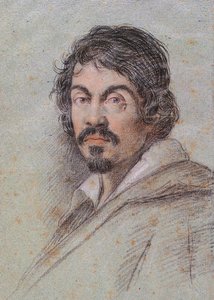
1571 - 1610 , Spain


Stay updated with the latest art news, exclusive offers, and decoration ideas.
Tell us about your project and our art experts will provide you with 3 personalized art suggestions.
Let Us Curate 3 Options Just for You - Free!


 Preview
 Send
Send Share
Share
 Details

 Download
 Similars
 X-Ray
X-Ray Diaporama
 Read More


