x


 Oil On CanvasWallArtBaroque Painting
 1609Early Modern
 128.0 x 103.0 cm
Hand-painted oil on canvas in your size and frame, made to order by our artists.





























Pick from our preset sizes that match the artwork's original proportions.

You may enter your own dimensions to fit a specific frame or space. If your selected size does not match the original image's proportions, we will either crop the artwork or extend the painting with additional hand-painted elements. A digital mockup will be sent for your approval before production begins.
Please note that the on-screen preview does not reflect the actual cropping or extension. Only the mockup will accurately show the final composition.
While custom sizes are available, we recommend selecting a dimension from the predefined list to preserve the original proportions.
Worldwide Delivery () in 3/4 weeks instead of standard 5 weeks. (18 July). No compromise on quality.


Ecce Homo
Reproduction Size
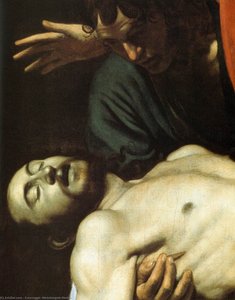
Michelangelo Merisi da Caravaggio’s “Ecce Homo,” painted in 1609, isn't merely a depiction of a biblical scene; it’s an immediate confrontation with human vulnerability and spiritual weight. Born in Milan amidst the upheaval of plague and loss, young Michelangelo Merisi was instilled with a profound awareness of suffering – a sensibility that would irrevocably shape his artistic vision. His early training under Simone Peterzano provided a foundation in Renaissance technique, yet it was in Rome, arriving around 1592, that Caravaggio truly forged his distinctive voice. This city, a crucible of religious fervor and artistic innovation, became the stage for his revolutionary approach to painting – one that prioritized raw realism and emotional intensity over idealized beauty.
The historical context is crucial to understanding “Ecce Homo.” Painted during the Counter-Reformation, a period marked by the Catholic Church’s response to the Protestant Reformation, the artwork reflects a deliberate shift towards engaging audiences on an emotional level. Caravaggio rejected the polished elegance of earlier Renaissance painting, embracing instead a stark and unflinching portrayal of reality – a strategy designed to evoke profound empathy and spiritual reflection. The scene itself, as recounted in the Gospel of John, captures the agonizing moment following Christ’s flagellation: Pontius Pilate, the Roman governor, presents the scourged and crowned Jesus to the assembled crowd with the words “Behold the Man!” – a chillingly direct invitation to confront the truth of his impending sacrifice.
At the heart of Caravaggio’s dramatic power lies his masterful manipulation of *tenebrism*, an extreme form of chiaroscuro—the stark contrast between light and dark. This technique isn't simply a stylistic choice; it’s a deliberate tool for shaping the viewer’s experience. A brilliant, almost theatrical light dramatically illuminates Christ’s body, highlighting the wounds inflicted during his scourging and emphasizing his profound vulnerability. The surrounding figures and the background are plunged into deep shadow, creating an atmosphere of suspense and isolation. This dramatic interplay of light and dark doesn't just create depth and volume; it actively draws the viewer directly into the scene, forcing a visceral engagement with Christ’s suffering.
Caravaggio’s anatomical accuracy was equally revolutionary. He meticulously rendered the textures of skin, fabric, and thorns, rejecting idealized beauty in favor of unflinching realism. His use of *sfumato*—a subtle blurring of edges—further enhances the sense of immediacy and physicality, as if we are witnessing this event unfold before our very eyes. The meticulous detail, combined with the dramatic lighting, elevates “Ecce Homo” beyond a simple historical depiction; it becomes a profoundly moving meditation on human suffering and faith.
Every element within “Ecce Homo” is laden with symbolic weight. The crown of thorns, prominently displayed upon Christ’s head, represents his mockery as king – a poignant reminder of the political power that condemned him. His bound hands signify his utter powerlessness and acceptance of his fate. The figures flanking Pilate—one presenting the instrument of torture, the other observing with a mixture of sorrow and perhaps even pity—add layers of complexity to the scene. The very posture of each figure communicates their emotional state: Pilate’s hesitant gaze suggests doubt and moral conflict, while the observer embodies a sense of shared grief and recognition of Christ's sacrifice.
The composition itself is carefully constructed to heighten the drama. A triangular arrangement draws the eye towards Christ’s central figure, emphasizing his vulnerability and importance. The use of diagonal lines—particularly in the drapery and Christ’s body—creates a dynamic sense of movement and tension. Even the muted colors contribute to the overall mood – the deep reds and browns evoke blood, sorrow, and the weight of sacrifice.
“Ecce Homo” remains one of Caravaggio’s most powerful and enduring works, a testament to his revolutionary approach to painting. It's more than just a historical depiction; it is an invitation to confront uncomfortable truths about human nature, faith, and the consequences of power. The painting’s raw emotional intensity continues to resonate with viewers centuries later, solidifying Caravaggio’s place as one of art history’s most influential figures. Reproductions of this masterpiece offer a unique opportunity to experience the drama, symbolism, and profound beauty of this iconic Baroque work in your own space.

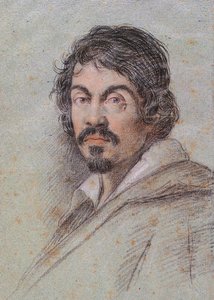
1571 - 1610 , Spain

Journey through 25 iconic artworks at the Metropolitan Museum of Art! Explore Van Gogh, Monet, Rembrandt & more. Discover art history, inspiring stories, and museum-quality reproductions to elevate your home decor. Explore the full collection on Most-Famous-Paintings.com.
Journey through the drama & grandeur of Baroque art! Explore 10 masterpieces by Caravaggio, Rembrandt, Rubens & more. Discover stunning oil paintings, rich colors & timeless stories. Find museum-quality reproductions at .

Journey through 25 iconic artworks at the Detroit Institute of Arts! Explore Van Gogh, Monet, Rembrandt & more. Discover art history, stunning techniques & find museum-quality reproductions to elevate your home decor on Most-Famous-Paintings.com.

Journey through Baroque painting's glory! Explore 10 masterpieces by Caravaggio, Rembrandt & Vermeer. Discover dramatic lighting, rich colors & timeless stories. Find museum-quality art reproductions for your home at Most-Famous-Paintings.com.
Explore 25 iconic artworks from Washington DC's National Gallery of Art! Discover masterpieces by Cézanne, Matisse & Picasso. Find museum-quality art reproductions and elevate your home decor with timeless paintings. Explore the full collection online at Most-Famous-Paintings.com.


Stay updated with the latest art news, exclusive offers, and decoration ideas.
Tell us about your project and our art experts will provide you with 3 personalized art suggestions.
Let Us Curate 3 Options Just for You - Free!


 Buy print
 Send
Send Share
Share
 Details

 Download
 Similars
 X-Ray
X-Ray Diaporama
 Read More







 Glass option is only available in size under 110 CM