x

 1520
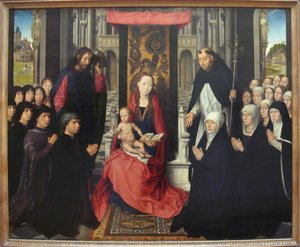
1520 79.0 x 58.0 cm
 City Art Gallery
Purchase a high-resolution, enhanced digital image, far superior to the online preview.
Each file is meticulously prepared by our in-house specialists using advanced tools and expert manual retouching. We ensure every image has exceptional clarity, precise color accuracy, and fine detail.
The final file is delivered via email within 72 hours, optimized for immediate use in professional, editorial, and print environments. This is the same quality trusted by top-tier design studios, publishers, and galleries.
Download a high-resolution file for personal display, printing, and creative projects. ( Buy Print Buy Hand Made Painting)
When you choose Most-Famous-Paintings.com, you're not just getting an image - you're receiving a professionally enhanced digital artwork, crafted with precision and backed by a satisfaction guarantee. Here's everything that comes with your order, automatically:

Your high-resolution digital image file will be emailed to you within 72 hours of ordering - ready for immediate use.

Your artwork is professionally optimized using advanced AI tools and manual editing, ensuring maximum detail, clarity, and color accuracy.

Accidentally deleted or lost your file? No worries - we'll resend it to you anytime, free of charge.

Enjoy your artwork instantly with zero customs, duties, or delivery fees - digital downloads are always tax-free.

We ensure your digital image reflects the original colors as closely as possible using professional tools and color management.

If you're not satisfied with your digital image, we'll revise it or refund 100% within 60 days - no questions asked.

Not satisfied? Get a full refund within 60 days of receiving your digital file - no questions asked.

Buy 3 images, save 10% - Buy 5, save 15% - Buy 10+, save 20%. Great for creative projects, galleries, and agencies.

Cesare da Sesto (1477–1523) stands as a pivotal figure in the Florentine Renaissance, an artist whose legacy resides primarily within the vibrant artistic milieu of Milan and its surrounding territories. Born in Sesto Calende, Lombardy—a region renowned for its patronage of the arts—Sesto’s formative years coincided with the zenith of Leonardo da Vinci's influence, fostering a stylistic kinship that would permeate his entire oeuvre. As part of the influential Leonardeschi group, artists like Bernardino Luini and Marco d’Oggione similarly absorbed Da Vinci’s innovative approaches to perspective and chiaroscuro, establishing Sesto firmly within this prestigious artistic lineage.
His journey was one of constant movement and profound immersion in the great centers of Italian culture. Evidence suggests he honed his skills under Baldassare Peruzzi in Rome during 1505, immersing himself in the burgeoning humanist spirit of the papal court. This period yielded notable commissions, such as a lunette adorning the Sant’Onofrio Basilica and several paintings executed in Campagnano Romano, demonstrating Sesto's early aptitude for capturing emotive narratives within meticulously crafted compositions. His artistic evolution was marked by an ability to blend the soft, atmospheric sfumato of the Milanese tradition with the structural grandeur found in Roman classicism.
The breadth of Sesto's talent is perhaps most visible in his mastery of both monumental religious narratives and intimate, detailed studies. His work often captures a sense of profound spiritual weight, balanced by a classical beauty that defines the High Renaissance. Notable examples of his skill include:
A significant chapter of his career unfolded in Naples between 1514 and 1515, where Sesto undertook a prolific artistic output that cemented his reputation as a versatile painter. The culmination of this period arrived with the completion of the monumental Adoration of the Magi, an artwork that profoundly impacted subsequent artists operating within Southern Italy—a piece now housed in the Museo Nazionale di Napoli.
Returning to Milan in 1520, Sesto embarked on yet another ambitious undertaking: the fresco cycle for San Rocco Church, a collaborative effort with Bernardino Bernazzano. Although much of his original work from certain projects has sadly vanished over the centuries, his impact on the development of the Lombard school remains undeniable. He successfully bridged the gap between the experimental innovations of Leonardo and the more structured, classical demands of the later Renaissance.
Today, Cesare da Sesto is remembered not merely as a follower of Da Vinci, but as a master in his own right who brought a unique emotional depth to the religious and naturalistic subjects of his time. His ability to navigate the complex demands of papal commissions, large-scale polyptychs, and delicate sketches ensures his place in the pantheon of the great Italian Renaissance masters.

1477 - 1523 , Italy


Stay updated with the latest art news, exclusive offers, and decoration ideas.
Tell us about your project and our art experts will provide you with 3 personalized art suggestions.
Let Us Curate 3 Options Just for You - Free!


 Preview
 Send
Send Share
Share
 Details

 Download
 Similars
 X-Ray
X-Ray Diaporama
 Read More