x
 Black and White PhotographyPhotoContemporary Realism
 1969Modern
 73.0 x 110.0 cm
 Instituto Moreira Salles
Hand-painted oil on canvas in your size and frame, made to order by our artists. ( Buy Print Buy Image)
Pick from our preset sizes that match the artwork's original proportions.

You may enter your own dimensions to fit a specific frame or space. If your selected size does not match the original image's proportions, we will either crop the artwork or extend the painting with additional hand-painted elements. A digital mockup will be sent for your approval before production begins.
Please note that the on-screen preview does not reflect the actual cropping or extension. Only the mockup will accurately show the final composition.
While custom sizes are available, we recommend selecting a dimension from the predefined list to preserve the original proportions.
Worldwide Delivery () in 3/4 weeks instead of standard 5 weeks. (17 August). No compromise on quality.


The devil
Reproduction Size
In the hauntingly beautiful photograph titled "The devil," captured in 1969 by the visionary Claudia Andujar, we are transported to a moment of profound human transition. The image, rendered in a melancholic sepia tone, presents two men seated upon a weathered bench, their gazes fixed intently on the world passing by outside a train window. This is not merely a portrait of passengers; it is a window into the soul of a migratory era. The composition, characterized by its soft, almost ethereal light and grainy texture, evokes a sense of nostalgia and quiet desperation. As the men sit side-by-side, yet seemingly lost in their own internal landscapes, the viewer is invited to contemplate the weight of the journeys they are undertaking—journeys that are as much emotional as they are physical.
The historical context of this piece adds a layer of poignant gravity to its visual beauty. Created during a period of significant social movement in Brazil, the photograph documents the "Bahian train," a vessel for those who had arrived in São Paulo with dreams of prosperity, only to find themselves returning to the backlands of Bahia with nothing but the remnants of their failed ambitions. Andujar, with her characteristic empathy, captures the essence of this displacement. The title itself, "The devil," serves as a powerful metaphor for the harsh fates and the relentless cycle of struggle that many migrants faced during this era. Through her lens, the mundane act of sitting on a train becomes a profound meditation on loss, resilience, and the search for a better life.
Technically, Andujar utilizes the nuances of black and white photography to create a timeless atmosphere. The use of sepia tones softens the edges of reality, blurring the line between documentary journalism and fine art. This choice allows the textures of the wooden train car and the subtle expressions on the men's faces to emerge with a tactile quality. The light, filtering through the window, creates a play of shadows that mirrors the uncertainty of the passengers' futures. There is a rhythmic stillness in the composition; despite being part of a moving train, the image feels frozen in a moment of deep reflection.
For collectors and interior designers, this artwork offers more than just visual appeal; it provides an emotional anchor for any space. Its understated elegance and profound narrative depth make it a sophisticated choice for those looking to curate a collection that speaks to the human condition. Whether placed in a minimalist modern setting or a classic study, "Therm devil" commands attention through its quiet intensity. It serves as a conversation piece that invites contemplation on themes of migration, identity, and the enduring strength of the human spirit, making it an invaluable acquisition for anyone who appreciates art that transcends the purely aesthetic to touch the very heart of existence.


1931 - , Switzerland

Explore 10 iconic paintings dominated by black tones, from Rembrandt’s chiaroscuro to Goya's dark expressions. Discover the stories behind these masterpieces & find museum-quality art reproductions for your home at .

Explore 10 iconic paintings with captivating 'mushroom' tones! Discover Van Gogh, Monet & Rembrandt’s masterpieces—earthy palettes, rich history & artistic techniques. Find museum-quality art reproductions and curated decor ideas at

Journey through 10 iconic paintings bathed in 'sand' tones – from Van Gogh to Monet. Explore the stories, techniques & warm palettes of these timeless masterpieces. Find museum-quality art reproductions at and bring classic beauty home.

Delve into the captivating world of 'Lamp Black' tones with 10 iconic paintings by masters like Rembrandt & Caravaggio. Explore Baroque chiaroscuro, dramatic lighting & shadow in art history. Find museum-quality reproductions at
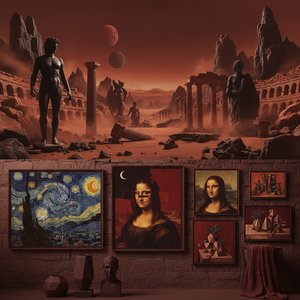
Delve into the power of 'Mars Black' with 10 iconic paintings by masters like Rembrandt & Caravaggio. Explore dramatic chiaroscuro, gothic art, and timeless beauty. Find museum-quality reproductions & elevate your home decor on .


Stay updated with the latest art news, exclusive offers, and decoration ideas.
Tell us about your project and our art experts will provide you with 3 personalized art suggestions.
Let Us Curate 3 Options Just for You - Free!


 Send
Send Share
Share
 Details

 Download
 Similars
 Diaporama
 Read More




































 Glass option is only available in size under 110 CM