x


 Acrylic On CanvasWallArtMexican Muralism
 192319th Century
 482.0 x 366.0 cm
Hand-painted oil on canvas in your size and frame, made to order by our artists.





























Pick from our preset sizes that match the artwork's original proportions.

You may enter your own dimensions to fit a specific frame or space. If your selected size does not match the original image's proportions, we will either crop the artwork or extend the painting with additional hand-painted elements. A digital mockup will be sent for your approval before production begins.
Please note that the on-screen preview does not reflect the actual cropping or extension. Only the mockup will accurately show the final composition.
While custom sizes are available, we recommend selecting a dimension from the predefined list to preserve the original proportions.
Worldwide Delivery () in 3/4 weeks instead of standard 5 weeks. (18 July). No compromise on quality.


The Sugar Mill
Reproduction Size
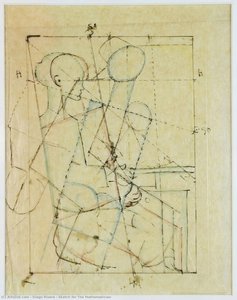
Diego Rivera's "The Sugar Mill," painted in 1923, is more than just a depiction of a sugar plantation; it’s a powerful testament to the human cost and intricate processes inherent in industrializing Mexico. This monumental fresco, measuring 482 x 366 cm, offers a raw and unflinching glimpse into the world of sugar production during a period of significant social and economic transformation. Rivera, deeply committed to portraying the lives of ordinary people – particularly laborers – employed his signature muralist style to create an image brimming with both physical exertion and quiet dignity.
The scene unfolds with remarkable detail, capturing thirteen individuals engaged in the demanding tasks of operating machinery and handling materials. Workers ascend ladders, meticulously transferring sugar crystals into buckets, and carefully maneuvering equipment. The composition isn’t simply a record of work; it's an exploration of collaboration and interdependence. Rivera masterfully utilizes perspective to draw the viewer into the heart of the operation, emphasizing the rhythmic flow of labor that defined this industry.
Rivera’s technique is immediately recognizable – a robust blend of realism and social commentary. Executed as a fresco on a wall surface, the painting employs pigments mixed with water and applied directly to the plaster. This method, favored by Rivera for its durability and ability to create rich, vibrant colors, lends itself perfectly to his narrative style. The brushwork is bold and expressive, conveying not just the visual appearance of the scene but also the physical strain and determination of the workers. Notice the meticulous rendering of textures – the rough wood of the machinery, the glistening sugar crystals, and the worn clothing of the laborers – all contribute to a powerfully immersive experience.
The fresco’s scale is crucial to its impact. Rivera intended these large-scale murals to engage communities directly, serving as visual narratives for public spaces. “The Sugar Mill” exemplifies this ambition, demanding attention and prompting reflection on the social realities of the time.
"The Sugar Mill" was created during a period of intense political and social upheaval in Mexico following the Mexican Revolution (1910-1920). The revolution had overthrown the Porfirio Díaz regime, ushering in an era of reform and nationalization. Rivera’s work reflects this context by directly addressing the plight of workers – often marginalized and exploited – within the burgeoning industrial sector. The image subtly critiques the exploitative nature of capitalist enterprise while simultaneously celebrating the resilience and skill of the laborers.
The inclusion of everyday objects—buckets, spoons, and chairs—ground the scene in a tangible reality, emphasizing the mundane yet vital aspects of daily life for these workers. The sheer number of figures also serves to underscore the scale of the operation and the collective effort required to produce sugar.
“The Sugar Mill” is not merely a historical document; it’s an emotionally resonant work that continues to captivate viewers today. Rivera's ability to imbue his subjects with dignity and humanity elevates this depiction of manual labor beyond the purely functional, transforming it into a profound meditation on human effort and social justice. This reproduction offers a unique opportunity to own a piece of art history – a powerful reminder of Mexico’s industrial past and Diego Rivera’s enduring legacy as one of the most important muralists of the 20th century.

Diego Rivera, born Diego María de la Concepción Juan Nepomuceno Estanislao de la Rivera y Barrientos Acosta y Rodríguez in Guanajuato, Mexico, on December 8, 1886, entered a world already imbued with artistic sensibility. From the tender age of three, an undeniable fascination with art blossomed within him, nurtured by parents who recognized and encouraged his burgeoning talent. His early years were marked by a formal education at the Academy of San Carlos in Mexico City, where he diligently honed his skills in traditional painting and sculpture. A pivotal moment arrived in 1907 when Teodoro A. dehesa Méndez generously sponsored Rivera’s studies abroad, launching him into the heart of Europe's artistic ferment.
His initial sojourn took him to Madrid, Spain, where he studied under Eduardo Chicharro, absorbing the tenets of Realism. However, it was Paris that truly ignited his creative evolution. Immersed in the vibrant Montparnasse community, Rivera encountered a kaleidoscope of artistic perspectives, most notably the revolutionary principles of Cubism after 1912. The influence of Pablo Picasso and Georges Seurat became palpable in his work, as he began to deconstruct forms and explore intersecting planes—a departure from traditional representation that would define a significant phase of his artistic journey.
A profound shift occurred in 1921 when Rivera returned to his homeland, a nation grappling with the aftermath of revolution. This homecoming wasn’t merely a geographical relocation; it was an ideological awakening. He became a central figure in the burgeoning Mexican Mural Movement, a powerful artistic response to the social and political upheaval of the time. The movement aimed to democratize art, bringing it out of elite circles and into public spaces accessible to all citizens.
Rivera’s murals weren't simply decorative; they were potent narratives of Mexican history, culture, and societal struggles. His early masterpieces, such as “Creation” (1922), showcased his innovative use of encaustic technique, while the monumental works at the Secretaría de Educación Pública in Mexico City revealed a distinctive style characterized by large, simplified figures and bold colors—a deliberate homage to Aztec art and pre-Columbian aesthetics. These murals weren’t just paintings; they were visual manifestos, proclaiming a new national identity forged from its indigenous roots and revolutionary spirit.
Diego Rivera's artistic style is instantly recognizable—a monumental scale that commands attention, simplified forms that convey powerful messages, vibrant colors that evoke the richness of Mexican culture, and an unwavering focus on social and historical narratives. His work wasn’t confined to aesthetic concerns; it was deeply intertwined with his political beliefs, particularly his Marxist convictions.
The “Dreams of a Sunday in the Alameda” is perhaps one of his most iconic works, though also controversial for its depiction of atheism. The Detroit Industry Murals (1933), commissioned for the Detroit Institute of Arts, stand as a testament to his ability to capture the dynamism and complexity of industrial life, portraying both the power of machinery and the dignity of the workers who operated it. He seamlessly blended elements of Mexican folk art with pre-Columbian imagery, creating a visual language that was uniquely his own—a powerful synthesis of tradition and modernity.
Diego Rivera’s impact on 20th-century art is immeasurable. He isn't merely remembered as one of Mexico’s most important artists, but as a global icon whose work continues to resonate with audiences today. His murals are not just artistic achievements; they are significant examples of social realism and public art—powerful statements about the human condition and the struggle for social justice.
He played a pivotal role in establishing Mexican Muralism as an influential artistic movement, inspiring generations of artists to use their work as a vehicle for social commentary. His personal life, particularly his passionate and often tumultuous relationship with Frida Kahlo, has further cemented his place in popular culture, adding another layer of intrigue to his already captivating legacy.
Rivera’s commitment to portraying the lives and struggles of ordinary people, combined with his innovative artistic techniques, ensures that his work will continue to inspire and provoke thought for generations to come. He left behind a body of work that is not only visually stunning but also deeply meaningful—a testament to the power of art to shape our understanding of history, culture, and ourselves.

1886 - 1957 , Mexico

Journey through 25 iconic artworks at the Metropolitan Museum of Art! Explore Van Gogh, Monet, Rembrandt & more. Discover art history, inspiring stories, and museum-quality reproductions to elevate your home decor. Explore the full collection on Most-Famous-Paintings.com.

Journey through 25 iconic James Abbott McNeill Whistler paintings! Explore his masterpieces of Aestheticism, from 'Nocturne in Black and Gold' to captivating portraits. Find museum-quality art reproductions & elevate your home decor with Most-Famous-Paintings.com. Discover the full collection online.

Journey through Katsushika Hokusai’s 25 most iconic artworks, including *The Great Wave*. Explore the ukiyo-e master's history, style & timeless Japanese woodblock prints. Find museum-quality reproductions for your home at Most-Famous-Paintings.com.
Explore 25 iconic artworks from Washington DC's National Gallery of Art! Discover masterpieces by Cézanne, Matisse & Picasso. Find museum-quality art reproductions and elevate your home decor with timeless paintings. Explore the full collection online at Most-Famous-Paintings.com.

Journey through 25 iconic artworks at the Detroit Institute of Arts! Explore Van Gogh, Monet, Rembrandt & more. Discover art history, stunning techniques & find museum-quality reproductions to elevate your home decor on Most-Famous-Paintings.com.


Stay updated with the latest art news, exclusive offers, and decoration ideas.
Tell us about your project and our art experts will provide you with 3 personalized art suggestions.
Let Us Curate 3 Options Just for You - Free!


 Buy print
 Send
Send Share
Share
 Details

 Download
 Similars
 X-Ray
X-Ray Diaporama
 Read More







 Glass option is only available in size under 110 CM