


x

 Acrylic On CanvasWallArtAbstract Geometric
 244.0 x 190.0 cm
 Vancouver Art Gallery
Hand-painted oil on canvas in your size and frame, made to order by our artists.





























Pick from our preset sizes that match the artwork's original proportions.

You may enter your own dimensions to fit a specific frame or space. If your selected size does not match the original image's proportions, we will either crop the artwork or extend the painting with additional hand-painted elements. A digital mockup will be sent for your approval before production begins.
Please note that the on-screen preview does not reflect the actual cropping or extension. Only the mockup will accurately show the final composition.
While custom sizes are available, we recommend selecting a dimension from the predefined list to preserve the original proportions.
Worldwide Delivery () in 3/4 weeks instead of standard 5 weeks. (18 July). No compromise on quality.


Superior Plaid
Reproduction Size
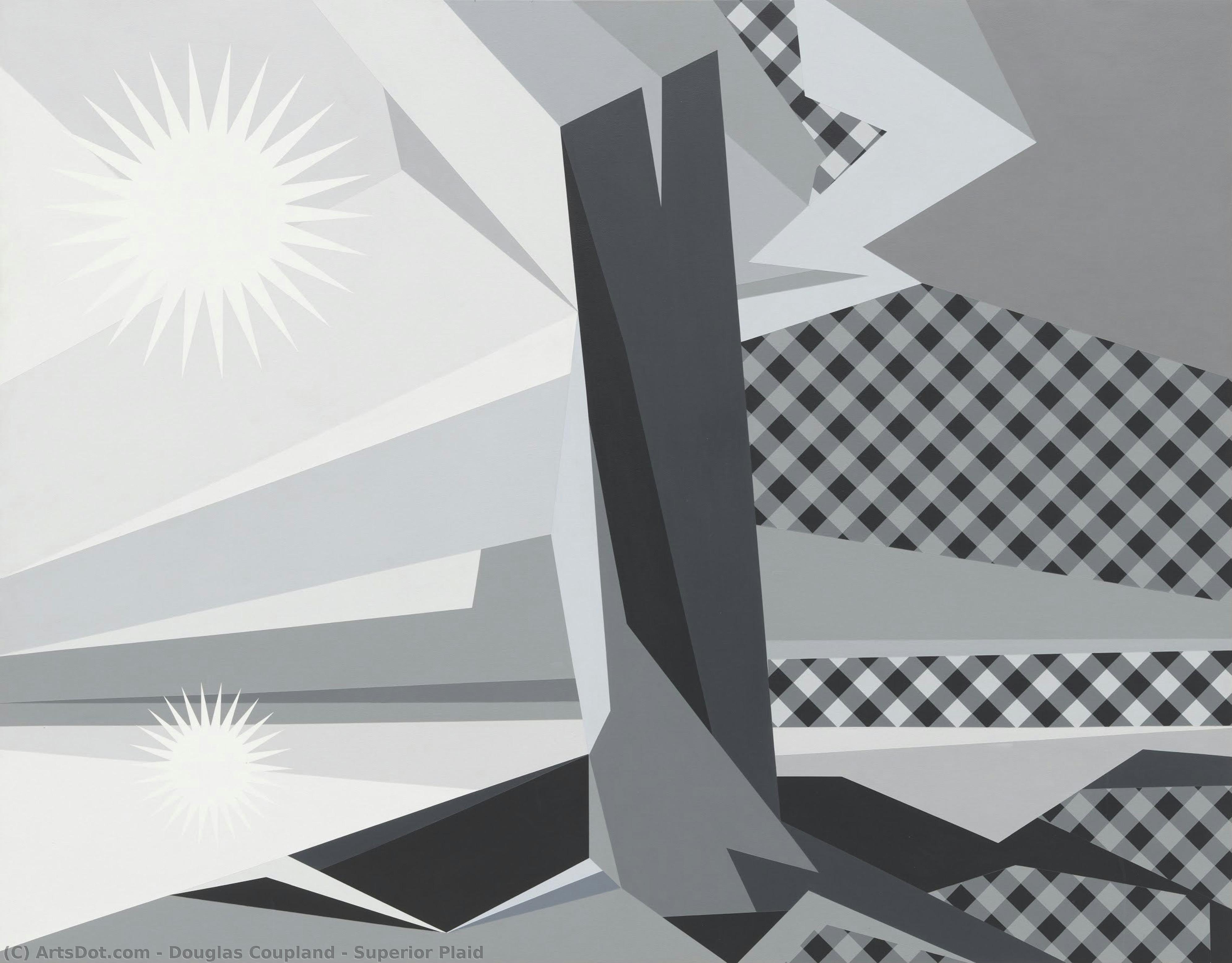
Douglas Coupland’s “Superior Plaid” isn't merely a painting; it’s an invitation to reconsider the very foundations of Canadian identity. Born from a digital archaeology – specifically, degraded images unearthed on the internet – this work represents a deliberate fracturing and reassembly of familiar landscapes. Coupland doesn’t aim for faithful reproduction; instead, he employs a reductive geometric language, stripping away organic detail and reducing iconic Canadian vistas to their most essential, almost brutal, components. The piece draws heavily from the aesthetics of Emily Carr, the Group of Seven, and Tom Thomson, artists deeply rooted in capturing the spirit of the Canadian wilderness – yet Coupland subverts this tradition by imposing a distinctly 21st-century sensibility.
The color palette is immediately arresting—a carefully orchestrated symphony of grays, ranging from the deepest charcoal to delicate dove tones. This monochromatic scheme isn’t simply stylistic; it speaks to a sense of detachment, a deliberate distancing from the vibrancy often associated with nature paintings. The dominant shapes are rectangles and squares, creating an almost architectural quality to the landscape. A bold, checkered pattern – black and white diamonds meticulously arranged across the right side – introduces a jarring element of artificiality, hinting at the digital manipulation that underpins the entire work. The stark contrast between the solid, geometric forms and the fragmented background evokes a feeling of both order and chaos, mirroring the complexities of modern Canadian identity.
Sharp, precise lines define every element within “Superior Plaid.” The trunk of the tree is rendered as a series of vertical rectangles, while the sun-like light source emits radiating lines with laser-like accuracy. This emphasis on straight edges contributes to the overall sense of abstraction, moving away from realistic representation and towards a conceptual exploration of form and space. The checkered pattern itself is constructed entirely from intersecting straight lines, suggesting a grid system that both organizes and isolates the landscape. It’s as if Coupland has imposed a digital framework onto a natural scene, questioning whether our perception of Canada is shaped by an inherent connection to nature or by increasingly mediated experiences.
Beyond its formal qualities, “Superior Plaid” carries significant symbolic weight. The checkered pattern can be interpreted as a representation of order, control, or even the cold logic of digital technology – a visual metaphor for the increasingly mediated nature of our world. Coupland’s inspiration from degraded digital images suggests a critique of how we archive and represent cultural heritage, raising questions about authenticity and the potential loss of original meaning. The work functions as a “secret handshake,” an invitation to engage with a complex set of ideas about Canadian identity that may not be immediately accessible to those unfamiliar with Coupland’s broader artistic project. It's a challenge to our assumptions about what constitutes ‘Canadianness’ in the 21st century.
Coupland’s “Superior Plaid” is more than just a visually striking artwork; it’s a sophisticated commentary on Canadian culture, technology, and identity. By repurposing fragmented digital images and employing a reductive geometric style, he forces us to confront the ways in which our perceptions are shaped by media and technology. The piece invites contemplation on the relationship between nature and representation, challenging viewers to consider what truly defines “Canadianness” in an increasingly globalized world. It’s a testament to Coupland's ability to distill complex ideas into powerful visual forms, leaving a lasting impression long after the initial viewing.

1961 - , Canada
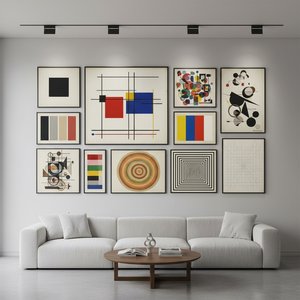
Explore 10 defining masterpieces of Geometric Abstraction! Discover Kandinsky, Mondrian & Malevich’s iconic works. Find museum-quality art reproductions and curated decor ideas to elevate your home at Most-Famous-Paintings.com.

Explore the enduring legacy of geometric abstraction! Discover key artists, historical movements & investment insights for discerning art collectors. Expert guidance from Most-Famous-Paintings.

Explore the captivating history of geometric abstraction in art, from ancient roots to contemporary masters. Expert insights for collectors & enthusiasts. Discover key artists, movements & investment potential.
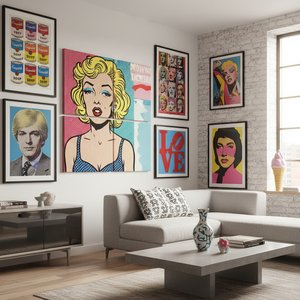
Explore 10 defining Pop Art masterpieces – from Warhol’s iconic Marilyn to Lichtenstein's bold dots. Discover the stories behind these revolutionary artworks & find museum-quality reproductions for your home at .

Explore 10 legendary 'Acrylic On Canvas' masterpieces by artists like Rothko, Warhol & Frankenthaler. Discover the stories behind these iconic paintings and their impact on modern art. Find museum-quality reproductions at – elevate your home with timeless beauty.


Stay updated with the latest art news, exclusive offers, and decoration ideas.
Tell us about your project and our art experts will provide you with 3 personalized art suggestions.
Let Us Curate 3 Options Just for You - Free!


 Buy print
 Send
Send Share
Share
 Details

 Download
 Similars
 X-Ray
X-Ray Diaporama
 Read More







 Glass option is only available in size under 110 CM


