


x

 Oil On CanvasWallArtExpressionism
 1610Renaissance
 97.0 x 77.0 cm
 Museo de El Greco
Purchase a high-resolution, enhanced digital image, far superior to the online preview.
Each file is meticulously prepared by our in-house specialists using advanced tools and expert manual retouching. We ensure every image has exceptional clarity, precise color accuracy, and fine detail.
The final file is delivered via email within 72 hours, optimized for immediate use in professional, editorial, and print environments. This is the same quality trusted by top-tier design studios, publishers, and galleries.
Download a high-resolution file for personal display, printing, and creative projects. ( Buy Print Buy Hand Made Painting)
When you choose Most-Famous-Paintings.com, you're not just getting an image - you're receiving a professionally enhanced digital artwork, crafted with precision and backed by a satisfaction guarantee. Here's everything that comes with your order, automatically:

Your high-resolution digital image file will be emailed to you within 72 hours of ordering - ready for immediate use.

Your artwork is professionally optimized using advanced AI tools and manual editing, ensuring maximum detail, clarity, and color accuracy.

Accidentally deleted or lost your file? No worries - we'll resend it to you anytime, free of charge.

Enjoy your artwork instantly with zero customs, duties, or delivery fees - digital downloads are always tax-free.

We ensure your digital image reflects the original colors as closely as possible using professional tools and color management.

If you're not satisfied with your digital image, we'll revise it or refund 100% within 60 days - no questions asked.

Not satisfied? Get a full refund within 60 days of receiving your digital file - no questions asked.

Buy 3 images, save 10% - Buy 5, save 15% - Buy 10+, save 20%. Great for creative projects, galleries, and agencies.
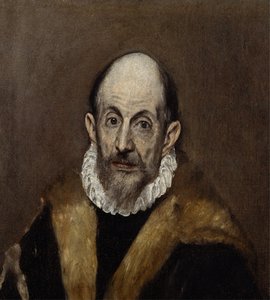
Dominikos Theotokópoulos, universally known as El Greco – “the Greek” – possessed an artistic vision that stubbornly defied categorization, a singular blend of Byzantine spirituality and Renaissance dynamism. His 1610 painting, “Apostle St Thomas,” housed within the Museo de El Greco in Toledo, Spain, stands as a potent testament to this unique approach, offering a glimpse into the mind of a master who anticipated the emotional currents of Expressionism centuries before its formal emergence. More than simply a portrait of an apostle, it’s a deeply felt meditation on faith, doubt, and the arduous journey toward spiritual understanding.
The painting immediately commands attention through its dramatic use of color and form. A deep, almost impenetrable darkness dominates the background, drawing the viewer's eye relentlessly to the central figure – St Thomas himself. He is depicted with a palpable sense of gravity, his features etched with an intensity that speaks volumes about his experience. The artist’s masterful manipulation of light creates a powerful contrast between the illuminated apostle and the enveloping shadows, suggesting both vulnerability and profound conviction. El Greco's signature style—characterized by elongated figures, distorted perspectives, and vibrant, often clashing colors—is fully realized here, creating an atmosphere that is simultaneously unsettling and deeply moving.
El Greco’s technical prowess is evident in every brushstroke. The painting was executed in oil on canvas, a medium he expertly utilized to achieve remarkable detail and texture. Notice the meticulous rendering of St Thomas's robe, its folds cascading with an almost sculptural quality. The artist employs a technique known as “sfumato,” subtly blurring edges and creating a sense of atmospheric depth—a crucial element in conveying the painting’s emotional weight. The staff held by the apostle is not merely a prop; it’s integrated into the composition, adding both visual interest and symbolic significance. Its upward thrust directs the viewer's gaze towards the heavens, reinforcing the theme of spiritual aspiration.
The composition itself is carefully constructed to guide the viewer’s eye. The figure of St Thomas occupies a central position, yet he isn’t isolated. His hands—one gesturing downward in a gesture of doubt and the other holding the staff—create a dynamic tension within the frame. This duality reflects the apostle's own struggle with disbelief before his eventual acceptance of Christ’s resurrection. The limited use of color – primarily deep blues, reds, and browns – further emphasizes the figure’s prominence and contributes to the painting’s overall sense of solemnity.
Born in Crete around 1541, El Greco spent much of his career in Italy and Spain, absorbing influences from various artistic traditions. His time in Toledo, a city steeped in religious history and art, proved particularly formative. The painting’s setting—a dimly lit interior reminiscent of the austere churches of Toledo—underscores its devotional purpose. St Thomas, as the apostle who initially doubted Christ's resurrection before receiving proof through the wound in his side, embodies the theme of faith tested by adversity.
The inclusion of the staff is also significant. It represents the pillar upon which St Thomas rested after touching the resurrected body of Christ—a potent symbol of unwavering belief and divine confirmation. The painting’s overall mood reflects the turbulent religious climate of 17th-century Spain, a period marked by both fervent piety and intense persecution of heresy. El Greco's work, often interpreted as challenging conventional artistic norms, resonated with audiences who sought a more emotionally resonant form of religious expression.
Today, “Apostle St Thomas” continues to captivate viewers with its raw emotional power and technical brilliance. The Museo de El Greco in Toledo serves as a dedicated shrine to the artist’s legacy, housing an extensive collection of his works alongside those of other Spanish masters. El Greco's influence extends far beyond the confines of the museum walls; he is considered a precursor to Expressionism and Cubism, artists who similarly sought to convey subjective experience through distorted forms and intense color palettes.
Reproductions of “Apostle St Thomas” are highly sought after by collectors and interior designers alike, offering a way to bring this iconic masterpiece into private homes and spaces. Whether admired for its historical significance or simply appreciated for its aesthetic beauty, El Greco’s “Apostle St Thomas” remains a powerful reminder of the enduring power of faith, doubt, and artistic vision.

1541 - 1614 , Greece


Stay updated with the latest art news, exclusive offers, and decoration ideas.
Tell us about your project and our art experts will provide you with 3 personalized art suggestions.
Let Us Curate 3 Options Just for You - Free!


 Preview
 Send
Send Share
Share
 Details

 Download
 Similars
 X-Ray
X-Ray Diaporama
 Read More


