x

 Acrylic On CanvasWallArtSpanish Mannerism
 1606
1606 98.0 x 78.0 cm
 Cathedral
Hand-painted oil on canvas in your size and frame, made to order by our artists.





























Pick from our preset sizes that match the artwork's original proportions.

You may enter your own dimensions to fit a specific frame or space. If your selected size does not match the original image's proportions, we will either crop the artwork or extend the painting with additional hand-painted elements. A digital mockup will be sent for your approval before production begins.
Please note that the on-screen preview does not reflect the actual cropping or extension. Only the mockup will accurately show the final composition.
While custom sizes are available, we recommend selecting a dimension from the predefined list to preserve the original proportions.
Worldwide Delivery () in 3/4 weeks instead of standard 5 weeks. (18 July). No compromise on quality.


Christ
Reproduction Size
Doménikos Theotokópoulos, universally known as El Greco—meaning “the Greek”—stands apart in the annals of European art history. Born in Crete in 1541, under Venetian dominion, his artistic trajectory wasn't merely geographical; it was a journey through stylistic innovation and profound spiritual contemplation. He began his training within the Byzantine tradition, absorbing its meticulous attention to detail and mastering the conventions of religious iconography—a legacy that would inform his distinctive approach for decades to come.
The painting’s historical context resides firmly within Toledo, Spain—a city undergoing significant religious upheaval during El Greco’s lifetime. The Habsburg monarchs actively sought to revive Catholicism after decades of Protestant influence, commissioning artworks intended to inspire piety and reaffirm faith. “Christ” embodies this spirit, reflecting the fervent devotion of its patrons and serving as a testament to the enduring power of Christian iconography.
Beyond its formal elements, “Christ” resonates deeply with viewers on an emotional level. The artist’s deliberate distortion of form—particularly the elongated torso and head—amplifies the figure's vulnerability and conveys a palpable sense of sorrow. Yet, simultaneously, the upward gaze embodies hope and spiritual aspiration, suggesting that despite earthly suffering, divine grace remains attainable.

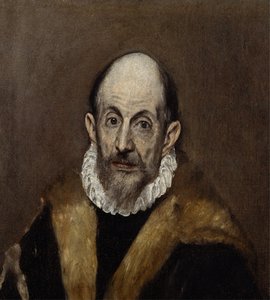
1541 - 1614 , Greece


Stay updated with the latest art news, exclusive offers, and decoration ideas.
Tell us about your project and our art experts will provide you with 3 personalized art suggestions.
Let Us Curate 3 Options Just for You - Free!


 Buy print
 Send
Send Share
Share
 Details

 Download
 Similars
 X-Ray
X-Ray Diaporama
 Read More







 Glass option is only available in size under 110 CM