


x

Purchase a high-resolution, enhanced digital image, far superior to the online preview.
Each file is meticulously prepared by our in-house specialists using advanced tools and expert manual retouching. We ensure every image has exceptional clarity, precise color accuracy, and fine detail.
The final file is delivered via email within 72 hours, optimized for immediate use in professional, editorial, and print environments. This is the same quality trusted by top-tier design studios, publishers, and galleries.
Download a high-resolution file for personal display, printing, and creative projects. ( Buy Print Buy Hand Made Painting)
When you choose Most-Famous-Paintings.com, you're not just getting an image - you're receiving a professionally enhanced digital artwork, crafted with precision and backed by a satisfaction guarantee. Here's everything that comes with your order, automatically:

Your high-resolution digital image file will be emailed to you within 72 hours of ordering - ready for immediate use.

Your artwork is professionally optimized using advanced AI tools and manual editing, ensuring maximum detail, clarity, and color accuracy.

Accidentally deleted or lost your file? No worries - we'll resend it to you anytime, free of charge.

Enjoy your artwork instantly with zero customs, duties, or delivery fees - digital downloads are always tax-free.

We ensure your digital image reflects the original colors as closely as possible using professional tools and color management.

If you're not satisfied with your digital image, we'll revise it or refund 100% within 60 days - no questions asked.

Not satisfied? Get a full refund within 60 days of receiving your digital file - no questions asked.

Buy 3 images, save 10% - Buy 5, save 15% - Buy 10+, save 20%. Great for creative projects, galleries, and agencies.
El Greco’s “The Last Supper,” painted in 1568, isn't merely a depiction of a biblical scene; it’s a visceral exploration of human emotion and spiritual tension. This masterpiece, housed within the Pinacoteca Nazionale di Bologna, transcends its religious subject matter to become a profound meditation on betrayal, faith, and the weight of impending doom. Far removed from the serene depictions favored by his contemporaries, El Greco plunges us directly into the heart of Christ’s final meal with his disciples, utilizing a revolutionary Mannerist style that would profoundly influence generations of artists to come.
The painting immediately captivates with its dynamic composition and unsettling realism. Unlike Leonardo da Vinci's meticulously balanced “Last Supper,” El Greco deliberately eschews harmony in favor of dramatic asymmetry. Figures are elongated and distorted, their faces contorted in expressions of shock, disbelief, and even anger. The spatial relationships are skewed, creating a sense of claustrophobia and intensifying the emotional impact. Notice how Christ’s hand, raised in a gesture of blessing, dominates the scene, drawing our eye while simultaneously radiating an aura of quiet authority amidst the surrounding turmoil.
El Greco's style is firmly rooted in the burgeoning Mannerist movement, which arose as a reaction against the perceived excesses of the High Renaissance. Rather than striving for idealized beauty and anatomical perfection, Mannerists prioritized expressive distortion, heightened color palettes, and complex spatial arrangements. El Greco masterfully embodies these principles, employing elongated figures that seem to ripple with inner energy. His use of color is equally striking – vibrant reds, blues, and yellows clash dramatically against muted browns and grays, creating a sense of unease and amplifying the emotional intensity of the scene.
Beyond its formal innovations, “The Last Supper” is rich in symbolic meaning. The arrangement of the apostles around the table isn’t simply a realistic depiction; it's a carefully constructed tableau designed to convey theological ideas about betrayal, sacrifice, and redemption. Observe how Judas, often identified by his distinctive green garment, sits isolated from the group, representing the act of treachery that will ultimately lead to Christ’s crucifixion. The gesture of reaching for bread and wine symbolizes the Eucharist—the central sacrament of Christianity—and the promise of eternal life.
Furthermore, El Greco's background in Byzantine iconography is evident in his use of symbolism. The figures are not rendered as individual portraits but rather as archetypal representations of humanity’s spiritual journey. The overall atmosphere of the painting suggests a profound sense of foreboding and impending tragedy, reflecting the psychological drama at the heart of the biblical narrative.
“The Last Supper” stands as a testament to El Greco's unique artistic vision—a fusion of Byzantine tradition and Western innovation. His dramatic use of color, distorted figures, and intense emotional expression broke with established conventions and paved the way for future generations of artists who sought to convey subjective experience through their work. Reproductions of this powerful image offer a remarkable opportunity to connect with one of art history’s most compelling and enigmatic figures, allowing us to contemplate the profound themes of faith, betrayal, and human suffering that continue to resonate today.

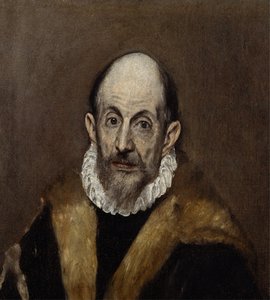
1541 - 1614 , Greece


Stay updated with the latest art news, exclusive offers, and decoration ideas.
Tell us about your project and our art experts will provide you with 3 personalized art suggestions.
Let Us Curate 3 Options Just for You - Free!


 Preview
 Send
Send Share
Share
 Details

 Download
 Similars
 X-Ray
X-Ray Diaporama

 Read More


