


x

Purchase a high-resolution, enhanced digital image, far superior to the online preview.
Each file is meticulously prepared by our in-house specialists using advanced tools and expert manual retouching. We ensure every image has exceptional clarity, precise color accuracy, and fine detail.
The final file is delivered via email within 72 hours, optimized for immediate use in professional, editorial, and print environments. This is the same quality trusted by top-tier design studios, publishers, and galleries.
Download a high-resolution file for personal display, printing, and creative projects. ( Buy Print Buy Hand Made Painting)
When you choose Most-Famous-Paintings.com, you're not just getting an image - you're receiving a professionally enhanced digital artwork, crafted with precision and backed by a satisfaction guarantee. Here's everything that comes with your order, automatically:

Your high-resolution digital image file will be emailed to you within 72 hours of ordering - ready for immediate use.

Your artwork is professionally optimized using advanced AI tools and manual editing, ensuring maximum detail, clarity, and color accuracy.

Accidentally deleted or lost your file? No worries - we'll resend it to you anytime, free of charge.

Enjoy your artwork instantly with zero customs, duties, or delivery fees - digital downloads are always tax-free.

We ensure your digital image reflects the original colors as closely as possible using professional tools and color management.

If you're not satisfied with your digital image, we'll revise it or refund 100% within 60 days - no questions asked.

Not satisfied? Get a full refund within 60 days of receiving your digital file - no questions asked.

Buy 3 images, save 10% - Buy 5, save 15% - Buy 10+, save 20%. Great for creative projects, galleries, and agencies.
Doménikos Theotokópoulos, universally known as El Greco—“the Greek”—was an artist whose life and work defied easy categorization. Born in 1541 on the island of Crete, then under Venetian rule, his artistic journey led him through Venice and Rome before finding its ultimate expression in the spiritual heartland of Spain: Toledo. El Greco wasn’t merely a product of these places; he synthesized their influences into something wholly unique, a style that anticipated the emotional intensity of Expressionism and the fragmented forms of Cubism centuries later. His early training within the Byzantine tradition instilled in him a meticulous attention to detail and a profound understanding of religious iconography. This foundation, however, wouldn’t confine him.
“The Nativity,” painted between 1603 and 1605, stands as a cornerstone of El Greco's oeuvre and exemplifies his masterful manipulation of Mannerism—a stylistic movement that prioritized expressive distortion over realistic representation. Commissioned for the Santuario de Nuestra Señora de la Caridad in Illescas, Toledo, this monumental altarpiece represents a pivotal moment in El Greco’s artistic evolution, marking a decisive shift away from Venetian influences towards a more intensely personal and spiritually driven aesthetic.
El Greco's artistic vision was profoundly shaped by the Venetian Renaissance, particularly Tintoretto and Titian. However, he transcended mere imitation, forging his own distinctive visual language that blended Byzantine traditions with Western techniques. This fusion is palpable in “The Nativity,” where elongated figures dominate the composition—a hallmark of Mannerism—creating a dramatic tension between idealized beauty and visceral emotion. The painting’s stylistic choices deliberately challenged Renaissance conventions, prioritizing psychological depth over anatomical accuracy.
The circular format of “The Nativity” immediately establishes an intimate atmosphere, drawing the viewer into the sacred narrative. El Greco skillfully employs a triangular arrangement to guide the eye towards the central figures—Mary cradling Jesus—while simultaneously conveying a sense of dynamism through flowing drapery and subtly undulating lines. The artist’s meticulous brushwork contributes to the painting's textural richness, layering pigments with remarkable precision to capture both luminous highlights and deep shadows. This technique underscores the emotional intensity of the scene, mirroring the spiritual fervor characteristic of El Greco’s artistic output.
Beyond its formal brilliance, “The Nativity” resonates deeply with Christian symbolism—the Virgin Mary embodies compassion and humility, while Jesus represents divine grace. The subdued lighting casts a golden glow upon the figures, enhancing their ethereal beauty and conveying a sense of serenity amidst profound sorrow. El Greco’s deliberate distortion of proportions serves not merely as stylistic flourish but as a conduit for expressing spiritual contemplation. Viewing “The Nativity” evokes feelings of reverence and wonder—a testament to El Greco's ability to transform religious iconography into emotionally resonant art.
To delve deeper into El Greco’s artistic legacy, explore his other masterpieces at Most-Famous-Paintings.com Most-Famous-Paintings and discover the Museo del Prado's impressive collection of Spanish art at Most-Famous-Paintings. Learn more about El Greco’s life and work on Wikipedia: Wikipedia

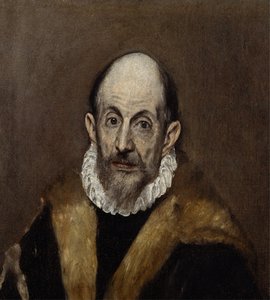
1541 - 1614 , Greece


Stay updated with the latest art news, exclusive offers, and decoration ideas.
Tell us about your project and our art experts will provide you with 3 personalized art suggestions.
Let Us Curate 3 Options Just for You - Free!


 Preview
 Send
Send Share
Share
 Details

 Download
 Similars
 X-Ray
X-Ray Diaporama

 Read More


