


x

 AcrylicWallArtCubist Abstraction
 1926
1926 65.0 x 46.0 cm
Purchase a high-resolution, enhanced digital image, far superior to the online preview.
Each file is meticulously prepared by our in-house specialists using advanced tools and expert manual retouching. We ensure every image has exceptional clarity, precise color accuracy, and fine detail.
The final file is delivered via email within 72 hours, optimized for immediate use in professional, editorial, and print environments. This is the same quality trusted by top-tier design studios, publishers, and galleries.
Download a high-resolution file for personal display, printing, and creative projects. ( Buy Print Buy Hand Made Painting)
When you choose Most-Famous-Paintings.com, you're not just getting an image - you're receiving a professionally enhanced digital artwork, crafted with precision and backed by a satisfaction guarantee. Here's everything that comes with your order, automatically:

Your high-resolution digital image file will be emailed to you within 72 hours of ordering - ready for immediate use.

Your artwork is professionally optimized using advanced AI tools and manual editing, ensuring maximum detail, clarity, and color accuracy.

Accidentally deleted or lost your file? No worries - we'll resend it to you anytime, free of charge.

Enjoy your artwork instantly with zero customs, duties, or delivery fees - digital downloads are always tax-free.

We ensure your digital image reflects the original colors as closely as possible using professional tools and color management.

If you're not satisfied with your digital image, we'll revise it or refund 100% within 60 days - no questions asked.

Not satisfied? Get a full refund within 60 days of receiving your digital file - no questions asked.

Buy 3 images, save 10% - Buy 5, save 15% - Buy 10+, save 20%. Great for creative projects, galleries, and agencies.
Fernand Léger's 1926 work, simply titled 'Painting,' is a captivating and unsettling meditation on the burgeoning world of industrial modernity. This intimate canvas, measuring 65 x 46 cm, immediately draws the viewer into a carefully constructed tableau – a collision of domestic objects and human figures that speaks volumes about the anxieties and aspirations of the interwar period. The composition itself feels deliberately fragmented, mirroring the sense of dislocation experienced as traditional ways of life were irrevocably altered by technological advancement. Léger wasn't simply depicting machinery; he was attempting to capture its *spirit*, a restless energy that permeated every aspect of urban existence.
Léger's style is firmly rooted in the principles of Cubism, but he pushed beyond its purely analytical concerns. While Picasso and Braque sought to dissect objects into geometric forms, Léger embraced a more constructive approach, integrating these fractured elements back together to represent not just form, but also movement and energy. The bold, angular shapes – particularly evident in the tools themselves – evoke the sharp lines of industrial machinery, reflecting Léger’s fascination with the dynamism of the machine age. Notice how he avoids smooth transitions; instead, he favors abrupt shifts in tone and texture, further amplifying the sense of disruption.
The clock, subtly placed on the left side, adds another layer of complexity. It's not merely a decorative element but a potent symbol of time – a relentless force accelerating towards an uncertain future. This detail underscores Léger’s concern with the impact of modernity on human experience and the potential for alienation within a rapidly changing world.
The two figures, positioned at opposite ends of the canvas, are equally enigmatic. Their anonymity suggests that they represent humanity as a whole – individuals caught in the currents of industrialization. Their postures, though not overtly expressive, convey a sense of quiet contemplation or perhaps even apprehension. The overall effect is one of unease and disorientation, reflecting the anxieties of a society grappling with profound social and technological shifts.
Léger’s use of color – primarily muted tones punctuated by flashes of brighter hues – contributes to this emotional impact. The cool blues and grays evoke a sense of distance and detachment, while the occasional bursts of red or yellow inject moments of intensity and urgency. This careful manipulation of color further enhances the painting's symbolic weight.
Created in 1926, ‘Painting’ exemplifies Léger’s pivotal role in shaping modern art. His work bridged the gap between abstraction and representation, offering a uniquely insightful commentary on the challenges and possibilities of modernity. This hand-painted reproduction captures not only the visual details of the original but also the profound emotional and intellectual depth that makes it such a compelling masterpiece. It's a piece that invites contemplation – a reminder of our relationship with technology, time, and the ever-evolving nature of reality.

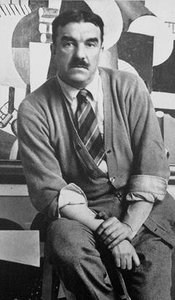
1881 - 1955 , France


Stay updated with the latest art news, exclusive offers, and decoration ideas.
Tell us about your project and our art experts will provide you with 3 personalized art suggestions.
Let Us Curate 3 Options Just for You - Free!


 Preview
 Send
Send Share
Share
 Details

 Download
 Similars
 X-Ray
X-Ray Diaporama
 Read More


