


x

 Acrylic On CanvasWallArtCubism
 152.0 x 195.0 cm
Hand-painted oil on canvas in your size and frame, made to order by our artists. ( Buy Print Buy Image)





























Pick from our preset sizes that match the artwork's original proportions.

You may enter your own dimensions to fit a specific frame or space. If your selected size does not match the original image's proportions, we will either crop the artwork or extend the painting with additional hand-painted elements. A digital mockup will be sent for your approval before production begins.
Please note that the on-screen preview does not reflect the actual cropping or extension. Only the mockup will accurately show the final composition.
While custom sizes are available, we recommend selecting a dimension from the predefined list to preserve the original proportions.
Worldwide Delivery () in 3/4 weeks instead of standard 5 weeks. (17 August). No compromise on quality.


Still Life with Apples
Reproduction Size
Fernand Léger’s “Still Life,” completed in 1925, transcends the conventional depiction of fruit and utensils; it embodies a radical reimagining of artistic representation—a cornerstone of Léger's distinctive style and a profound commentary on the burgeoning anxieties surrounding technological advancement. Exhibited during his peak creative period, this painting stands as an emblem of Léger’s unwavering commitment to synthesizing abstraction with tangible observation.
Painted during a period marked by rapid industrialization and growing apprehension about the dehumanizing effects of mechanized production, “Still Life” reflects Léger’s broader preoccupation with capturing the essence of modernity. The painting anticipates developments in Surrealist art—particularly André Breton's embrace of automatism—by prioritizing subconscious impulses over conscious control. Léger sought to convey not merely what he *saw* but what he *felt*, mirroring the pervasive anxieties of a society grappling with unprecedented transformations.
"Still Life" compels viewers to confront a disconcerting paradox—the simultaneous celebration of form’s precision and the acknowledgment of emotion's inherent instability. Léger’s masterful manipulation of color and line generates an unsettling tension that mirrors the psychological complexities of navigating a world increasingly dominated by machines. The painting invites contemplation on themes of alienation, resilience, and the enduring human desire for beauty amidst chaos—a testament to Léger’s profound artistic intuition.

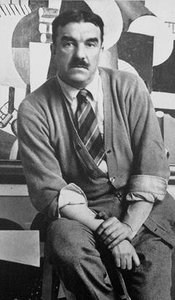
1881 - 1955 , France

Explore the revolutionary world of Cubism. Discover how Pablo Picasso and Georges Braque dismantled perspective to redefine modern art through geometric innovation and analytical mastery. An essential guide for art students, collectors, and history enthusiasts.

Explore the revolutionary world of Cubism. Discover how masters Pablo Picasso and Georges Braque dismantled reality through geometric abstraction to redefine modern art history.

Master the complexities of Cubism with our expert guide. Explore how Picasso and Braque revolutionized modern art through fragmentation, multiple perspectives, and geometric innovation. Perfect for art students and collectors seeking deep historical insight.


Stay updated with the latest art news, exclusive offers, and decoration ideas.
Tell us about your project and our art experts will provide you with 3 personalized art suggestions.
Let Us Curate 3 Options Just for You - Free!


 Preview
 Send
Send Share
Share
 Details

 Download
 Similars
 X-Ray
X-Ray Diaporama
 Read More







 Glass option is only available in size under 110 CM


