


x

Hand-painted oil on canvas in your size and frame, made to order by our artists. ( Buy Print Buy Image)





























Pick from our preset sizes that match the artwork's original proportions.

You may enter your own dimensions to fit a specific frame or space. If your selected size does not match the original image's proportions, we will either crop the artwork or extend the painting with additional hand-painted elements. A digital mockup will be sent for your approval before production begins.
Please note that the on-screen preview does not reflect the actual cropping or extension. Only the mockup will accurately show the final composition.
While custom sizes are available, we recommend selecting a dimension from the predefined list to preserve the original proportions.
Worldwide Delivery () in 3/4 weeks instead of standard 5 weeks. (15 August). No compromise on quality.


The Big Parade
Reproduction Size
Fernand Léger's 1954 painting, "The Big Parade," is more than just a depiction of a group gathering; it’s a vibrant manifesto of the modern age. Captured with bold colors and dynamic lines in a distinctive Cubist style, the artwork pulsates with an energy that reflects Léger’s fascination with industrialization and its impact on human experience. The scene unfolds with at least thirteen figures arranged in a lively tableau, some clustered closely together, others dispersed across the canvas, creating a sense of controlled chaos – a visual representation of urban life in the mid-20th century.
Born Joseph Fernand Henri Léger in 1881 in Argentan, Normandy, Léger’s artistic journey was profoundly shaped by his upbringing amidst the rural landscapes of France. This early exposure to physical labor – particularly farming – provided a crucial counterpoint to his later fascination with machines and industrial forms. He initially studied architecture but quickly transitioned to painting, driven by a desire to translate the visual language of the machine age onto canvas. Léger wasn't simply depicting machinery; he was attempting to capture its essence—its power, its geometry, and its transformative influence on human society.
Léger’s work reflects a broader cultural shift occurring in Europe during the early 20th century. The rise of industrialization, urbanization, and technological advancements were fundamentally altering people's lives, and Léger sought to visually represent these changes through his distinctive artistic style. His paintings are often described as “machine-made,” reflecting his belief that art should reflect the realities of modern life.
"The Big Parade" resonates with a powerful emotional impact, conveying a sense of both excitement and unease. The fragmented figures suggest a loss of individual identity within the mass society, while their collective presence hints at a shared experience—a feeling of belonging or perhaps even alienation. Léger’s bold use of color and dynamic composition creates a visually stimulating experience that invites viewers to contemplate the complexities of modern life.
The painting's enduring appeal lies in its ability to capture a pivotal moment in human history – the transition from rural traditions to an increasingly mechanized world. It is a testament to Léger’s artistic vision and his willingness to embrace the challenges and opportunities presented by modernity, making "The Big Parade" a significant work within the canon of 20th-century art.

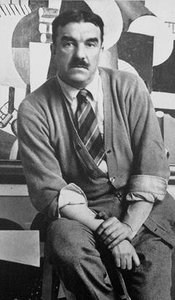
1881 - 1955 , France

Elevate your design projects with Most-Famous-Paintings's premium canvas prints and hand-painted reproductions. Discover affordable, museum-quality wall decor delivered worldwide, offering freelance decorators professional excellence, archival durability, and bespoke customization for every space.


Stay updated with the latest art news, exclusive offers, and decoration ideas.
Tell us about your project and our art experts will provide you with 3 personalized art suggestions.
Let Us Curate 3 Options Just for You - Free!


 Preview
 Send
Send Share
Share
 Details

 Download
 Similars
 X-Ray
X-Ray Diaporama

 Read More







 Glass option is only available in size under 110 CM


