


x


Museum-quality giclée or canvas print with fast production and flexible finish options.





























Pick from our preset sizes that match the artwork's original proportions.

You may enter your own dimensions to fit a specific frame or space. If your selected size does not match the original image's proportions, we will either crop the artwork or extend the image with a mirrored or solid-fill edge. A digital mockup will be sent for your approval before production begins.
Please note that the on-screen preview does not reflect the actual cropping or extension. Only the mockup will accurately show the final composition.
While custom sizes are available, we recommend selecting a dimension from the predefined list to preserve the original proportions.
Worldwide Delivery () in 2 weeks instead of standard 4/5 weeks. (24 July)


The black tree
Reproduction Size
Fernand Léger’s “The Black Tree,” painted in 1937, is more than just a depiction of a tree; it's a powerful embodiment of the anxieties and aspirations surrounding modernity. Emerging from the fertile landscapes of Normandy – specifically Argentan, where he was born in 1881 – Léger channeled his formative experiences with rural labor into a revolutionary artistic language. This work, characteristic of his mature style, reflects his fascination with the machine age, translating its geometric precision and dynamic energy into a vibrant, almost unsettling, visual vocabulary. The painting’s stark contrast between the dark, monolithic trunk and the explosion of color in its branches immediately draws the viewer into a world where nature and industry collide.
Created during a pivotal moment in art history – a period heavily influenced by Cubism – “The Black Tree” exemplifies Léger’s unique approach. While many artists were exploring purely abstract forms, Léger sought to integrate recognizable elements from the modern world, particularly the industrial landscape, into his compositions. The fractured planes and angular shapes within the tree's structure are undeniably reminiscent of Cubist principles, yet they aren’t merely stylistic choices; they represent a deliberate attempt to capture the essence of mechanized movement and form. Léger wasn't rejecting representation entirely, but rather reinterpreting it through the lens of his time – a world increasingly dominated by factories, trains, and the relentless march of progress.
The bold use of color in “The Black Tree” is crucial to understanding its emotional impact. The dominant black trunk, a grounding element, provides a stark counterpoint to the riotous hues of the branches – fiery reds, vibrant yellows, and verdant greens. These colors aren’t simply decorative; they evoke a sense of energy, dynamism, and perhaps even unease. Léger deliberately employed these intense tones to convey the overwhelming force of industrialization, suggesting both its beauty and its potential for disruption. The inclusion of white flowers adds a subtle layer of fragility and hope amidst this otherwise forceful composition.
The title itself, “The Black Tree,” is laden with symbolic weight. Trees have long represented life, growth, and connection to the earth – concepts that were increasingly challenged by the rapid urbanization and industrialization of the early 20th century. The "black" element could signify decay, darkness, or even the shadow cast by technological advancement. Léger’s work, therefore, can be interpreted as a meditation on humanity's relationship with nature in an age of unprecedented change. As one of the most significant figures of the Machine Age aesthetic, Léger’s influence continues to resonate within contemporary art and design. A museum-quality reproduction of “The Black Tree” offers a captivating glimpse into this visionary artist’s world – a world where form and function are inextricably linked, and where the beauty of industry is celebrated with unapologetic intensity.
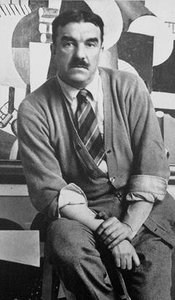
1881 - 1955 , France
Explore 25 iconic Joan Miró paintings! Discover the stories behind his Surrealist masterpieces, vibrant colors & unique style. Find museum-quality Miro reproductions and elevate your home decor with Most-Famous-Paintings.com. Explore the full collection online.

Transform your living room with iconic art! Explore our guide to the Top 10 most famous paintings – from Van Gogh's Starry Night to Mona Lisa. Discover artist stories, techniques & find museum-quality reproductions for timeless decor. Explore the full collection on
Journey through Cubism's evolution with 10 iconic masterpieces by Picasso, Braque & more. Explore the stories behind these revolutionary paintings and find museum-quality art reproductions to elevate your home decor at .

Explore 10 Cubist masterpieces by Picasso, Braque & more! Discover the stories behind these revolutionary paintings and their impact on modern art. Find museum-quality reproductions for your home at Most-Famous-Paintings.com – where art comes to life.

Explore 10 revolutionary Cubist portraits by Picasso, Braque & more! Discover the stories behind these iconic paintings and how they shaped modern art. Find museum-quality reproductions to elevate your home decor on Most-Famous-Paintings.com.


Stay updated with the latest art news, exclusive offers, and decoration ideas.
Tell us about your project and our art experts will provide you with 3 personalized art suggestions.
Let Us Curate 3 Options Just for You - Free!


 Preview
 Buy Painting
 Send
Send Share
Share
 Details

 Download
 Similars
 X-Ray
X-Ray Diaporama

 Read More







 Glass option is only available in size under 110 CM


