


x


 Acrylic On CanvasWallArtCubism
 1937Modern
 50.0 x 100.0 cm
Purchase a high-resolution, enhanced digital image, far superior to the online preview.
Each file is meticulously prepared by our in-house specialists using advanced tools and expert manual retouching. We ensure every image has exceptional clarity, precise color accuracy, and fine detail.
The final file is delivered via email within 72 hours, optimized for immediate use in professional, editorial, and print environments. This is the same quality trusted by top-tier design studios, publishers, and galleries.
Download a high-resolution file for personal display, printing, and creative projects.
When you choose Most-Famous-Paintings.com, you're not just getting an image - you're receiving a professionally enhanced digital artwork, crafted with precision and backed by a satisfaction guarantee. Here's everything that comes with your order, automatically:

Your high-resolution digital image file will be emailed to you within 72 hours of ordering - ready for immediate use.

Your artwork is professionally optimized using advanced AI tools and manual editing, ensuring maximum detail, clarity, and color accuracy.

Accidentally deleted or lost your file? No worries - we'll resend it to you anytime, free of charge.

Enjoy your artwork instantly with zero customs, duties, or delivery fees - digital downloads are always tax-free.

We ensure your digital image reflects the original colors as closely as possible using professional tools and color management.

If you're not satisfied with your digital image, we'll revise it or refund 100% within 60 days - no questions asked.

Not satisfied? Get a full refund within 60 days of receiving your digital file - no questions asked.

Buy 3 images, save 10% - Buy 5, save 15% - Buy 10+, save 20%. Great for creative projects, galleries, and agencies.
Fernand Léger's "Transport Forces," completed in 1937, stands as a cornerstone of Purism – an artistic movement that vehemently rejected Impressionism’s fleeting effects and embraced instead the bold geometries and vibrant hues characteristic of industrial landscapes. Measuring an impressive 50.9 x 870 cm, this monumental canvas resides at the Musée National Fernand Léger in Biot, France, offering visitors a visceral encounter with Léger's singular vision of the burgeoning twentieth century.
Born Joseph Fernand Henri Léger in Argentan, Normandy, in 1881, Léger’s artistic journey began amidst rural surroundings but swiftly propelled him into the pulsating heart of Parisian avant-garde. Influenced by Cubism's fragmentation and Picasso’s exploration of form, Léger pushed beyond mere representation, striving to distill the essence of mechanized existence onto canvas. Unlike many artists of his time who sought refuge in abstraction as a reaction against realism, Léger actively embraced it – perceiving it as the most truthful method for conveying the dynamism and transformative power of industrial progress.
“Transport Forces” isn’t simply a depiction of trains; it's an elaborate allegory for humanity’s relationship with technology. Léger meticulously crafted a composition dominated by angular forms – locomotives, bridges, signal towers – rendered in a palette of striking reds, yellows, and blues that echo the fiery glow of incandescent lamps. These colors aren’t merely decorative; they symbolize energy and illumination, mirroring the optimistic spirit of the era.
The painting exemplifies Purism's core tenets: a rejection of illusionistic depth and color blending in favor of simplified shapes and bold hues. Léger’s meticulous brushstrokes emphasize texture, creating a palpable sense of materiality – the rough surface of steel juxtaposed with the smooth expanse of painted planes. This technique underscores his belief that art should serve as a conduit for conveying fundamental truths about the world around us.
"Transport Forces" transcends its literal subject matter, resonating with deeper themes of progress, transformation, and humanity’s engagement with the machine age. Léger's deliberate use of color – particularly the radiant reds – conveys a feeling of optimism and vitality, reflecting the fervent belief in technological advancement that characterized 1930s France. Ultimately, this artwork invites contemplation on how art can capture not only what we see but also what we feel—a testament to Léger’s enduring legacy as one of the most influential figures in modern art.

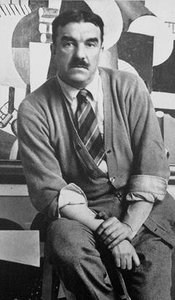
1881 - 1955 , France


Stay updated with the latest art news, exclusive offers, and decoration ideas.
Tell us about your project and our art experts will provide you with 3 personalized art suggestions.
Let Us Curate 3 Options Just for You - Free!


 Preview
 Buy print
 Send
Send Share
Share
 Details

 Download
 Similars
 X-Ray
X-Ray Diaporama
 Read More


