x


Hand-painted oil on canvas in your size and frame, made to order by our artists.





























Pick from our preset sizes that match the artwork's original proportions.

You may enter your own dimensions to fit a specific frame or space. If your selected size does not match the original image's proportions, we will either crop the artwork or extend the painting with additional hand-painted elements. A digital mockup will be sent for your approval before production begins.
Please note that the on-screen preview does not reflect the actual cropping or extension. Only the mockup will accurately show the final composition.
While custom sizes are available, we recommend selecting a dimension from the predefined list to preserve the original proportions.
Worldwide Delivery () in 3/4 weeks instead of standard 5 weeks. (18 July). No compromise on quality.


Triptych 2
Reproduction Size
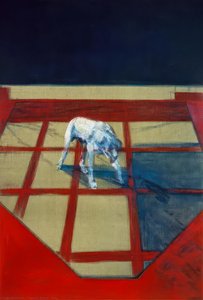
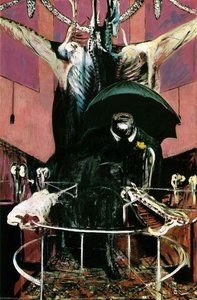
Francis Bacon's "Triptych 2" presents a stark and unsettling vision of the human condition, a world stripped bare of comfort and illusion. This triptych, comprised of three distinct yet interconnected paintings, embodies the artist’s signature style – a brutal honesty rendered in oil paint that confronts viewers with primal anxieties and the inherent loneliness of existence. The photograph captures not just images, but fragments of a psychological landscape, echoing themes prevalent throughout Bacon's oeuvre: isolation, fear, and the grotesque distortion of the human form.
Each panel within "Triptych 2" depicts a moment of intense interaction, yet these moments are fraught with tension and ambiguity. The first painting showcases a solitary figure engaged in a seemingly innocuous activity – playing with a ball – but the oppressive darkness of the room suggests a profound sense of detachment and perhaps even despair. The second panel portrays dancers on stage, their movements frozen in a moment of apparent ecstasy, yet the composition hints at a desperate struggle for control or recognition. Finally, the third painting presents a disturbing tableau of two men, one holding a weapon, immediately introducing an element of threat and violence. The repetition of figures across the three panels reinforces the idea of fractured identities and the inescapable nature of human connection – often fraught with danger.
Bacon’s technique is characterized by a deliberate rejection of traditional representation. He employs thick, gestural brushstrokes, layering paint to create surfaces that appear almost sculptural. The use of black and white photography here emphasizes the raw physicality of his process, stripping away any potential for color distraction and intensifying the emotional impact. His figures are rendered with an unsettling distortion – elongated limbs, contorted faces, and a palpable sense of suffering. This technique isn’t merely stylistic; it's a deliberate attempt to bypass rational thought and tap directly into the viewer’s subconscious, triggering feelings of unease and discomfort. The influence of Surrealism is evident in his exploration of dreamlike imagery and psychological states, but Bacon transcends mere imitation, forging a uniquely personal and profoundly unsettling style.
"Triptych 2" was created during a period of immense social and political upheaval – the aftermath of World War II. The anxieties of the time, coupled with Bacon’s own troubled personal life (marked by instability and emotional detachment), fueled his artistic exploration of human vulnerability. The recurring motif of confinement—represented by the dark rooms and enclosed spaces—can be interpreted as a metaphor for the psychological prisons we create for ourselves. The gun in the third panel is not simply a symbol of violence, but perhaps a representation of the destructive forces within humanity itself. Bacon’s work reflects a broader artistic trend of the 20th century, moving away from representational art towards abstraction and exploring the darker aspects of human experience.
“Triptych 2” is not a comfortable viewing experience. It demands engagement, forcing the viewer to confront uncomfortable truths about themselves and the world around them. Bacon’s work continues to resonate with audiences today because it speaks to universal anxieties – fear of isolation, loss of control, and the inherent absurdity of existence. As one of the most influential artists of the 20th century, Francis Bacon's legacy lies in his unflinching honesty and his ability to translate profound emotional experience into a powerfully visual language. A hand-painted reproduction of “Triptych 2” offers a unique opportunity to own a piece of this artistic genius, bringing its unsettling beauty and intellectual depth into your space.

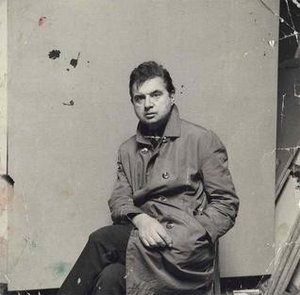
1909 - 1992 , Ireland

Delve into the haunting world of Francis Bacon with Most-Famous-Paintings. Explore 25 iconic paintings, from his visceral portraits to powerful triptychs. Discover the stories behind these masterpieces & find museum-quality art reproductions for your home. Explore the full collection online!

Delve into the power of 'Ivory Black' with 10 iconic paintings by masters like Rembrandt & Caravaggio. Explore dramatic chiaroscuro, gothic moods & timeless art history. Find museum-quality reproductions and elevate your home decor at

Transform cherished photos into timeless black & white fine art with Most-Famous-Paintings. Our expert artists create museum-quality reproductions – a lasting legacy for your home and family. Discover the artistry today.

Explore the captivating world of monochrome art! Discover its rich history, influential artists like Malevich & Klein, and profound emotional impact. Expert insights for collectors & design enthusiasts.

Journey into the dreamlike world of Surrealist Expressionism! Explore 10 defining masterpieces by Dali, Magritte & Miró. Discover their stories and find museum-quality art reproductions to elevate your home decor on Most-Famous-Paintings.com.


Stay updated with the latest art news, exclusive offers, and decoration ideas.
Tell us about your project and our art experts will provide you with 3 personalized art suggestions.
Let Us Curate 3 Options Just for You - Free!


 Buy print
 Send
Send Share
Share
 Details

 Download
 Similars
 X-Ray
X-Ray Diaporama

 Read More







 Glass option is only available in size under 110 CM