x

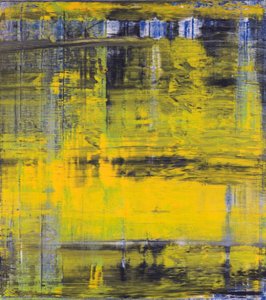
 Abstract Expressionism
 1998
1998 19.0 x 65.0 cm
Purchase a high-resolution, enhanced digital image, far superior to the online preview.
Each file is meticulously prepared by our in-house specialists using advanced tools and expert manual retouching. We ensure every image has exceptional clarity, precise color accuracy, and fine detail.
The final file is delivered via email within 72 hours, optimized for immediate use in professional, editorial, and print environments. This is the same quality trusted by top-tier design studios, publishers, and galleries.
Download a high-resolution file for personal display, printing, and creative projects. ( Buy Print Buy Hand Made Painting)
When you choose Most-Famous-Paintings.com, you're not just getting an image - you're receiving a professionally enhanced digital artwork, crafted with precision and backed by a satisfaction guarantee. Here's everything that comes with your order, automatically:

Your high-resolution digital image file will be emailed to you within 72 hours of ordering - ready for immediate use.

Your artwork is professionally optimized using advanced AI tools and manual editing, ensuring maximum detail, clarity, and color accuracy.

Accidentally deleted or lost your file? No worries - we'll resend it to you anytime, free of charge.

Enjoy your artwork instantly with zero customs, duties, or delivery fees - digital downloads are always tax-free.

We ensure your digital image reflects the original colors as closely as possible using professional tools and color management.

If you're not satisfied with your digital image, we'll revise it or refund 100% within 60 days - no questions asked.

Not satisfied? Get a full refund within 60 days of receiving your digital file - no questions asked.

Buy 3 images, save 10% - Buy 5, save 15% - Buy 10+, save 20%. Great for creative projects, galleries, and agencies.

Born Moishe Chagall in Vitebsk, Belarus, on July 7, 1887, Marc Chagall’s life was a vibrant tapestry woven from the threads of Russian Jewish heritage, Parisian artistic innovation, and deeply personal symbolism. His early years were marked by poverty and upheaval – his family moved frequently due to economic hardship and political instability. This itinerant existence instilled in him a profound appreciation for movement and change, themes that would become central to his art. His father, a herring merchant, provided a modest but grounding influence, while his mother’s love of literature and music nurtured his creative spirit. Chagall's artistic journey began modestly, with lessons from a local painter, Jehuda Pen, followed by brief stints in Saint Petersburg academies – experiences that exposed him to the burgeoning avant-garde movements taking shape across Europe.
The pivotal moment arrived in 1911 when he secured a grant to travel to Paris. This marked a dramatic shift in his artistic direction. Immersed in the energy of Montparnasse, he encountered the revolutionary ideas of Fauvism and Cubism, absorbing their bold colors and fragmented perspectives. He quickly established himself within a circle of influential artists – Delaunay, Léger, Soutine, Lipchitz, and writers like Apollinaire and Salmon – forging connections that would profoundly shape his artistic development. His early Parisian works, such as *Golgotha* (1912) and *Homage to Apollinaire* (1912-13), demonstrated a willingness to experiment with new techniques and subject matter, reflecting the dynamism of the era.
Following World War I, Chagall returned to Vitebsk, a city grappling with political turmoil. He married Bella Rosenfeld in 1914, a union that would endure for over fifty years and serve as his primary source of inspiration. Their life together was marked by both joy and tragedy – the birth of their daughter, Ida, followed by the devastating loss of Bella during the Russian Revolution. Despite these hardships, Chagall continued to produce an astonishing volume of work, exploring themes of faith, memory, and the complexities of human relationships. His paintings from this period—*Promenade*, *Over the Town*, and *Apparition*—are characterized by a distinctive style that blended elements of Cubism, Fauvism, and Russian folklore.
The tumultuous years following the Revolution saw Chagall navigating a complex political landscape. Initially supportive of the Bolshevik ideals, he quickly became disillusioned with their authoritarian tendencies. His outspoken criticism led to his dismissal from his positions at the Vitebsk Fine Arts School and as Commissioner of Fine Arts. Forced to flee Russia in 1922, he sought refuge in Berlin, where he found renewed recognition through the efforts of art dealer Ambroise Vollard. This period witnessed a shift towards greater emotional intensity and a deepening engagement with religious iconography.
Chagall’s return to Paris in 1923 marked a significant chapter in his artistic evolution. He established a studio in Montparnasse, surrounded by fellow artists and writers, and continued to develop his unique visual language. His work during this period—including the iconic *I and the Village* (1916-17)—became increasingly infused with personal symbolism, drawing upon Jewish mythology, folklore, and memories of his childhood in Vitebsk. The recurring motifs of water, flight, and family – particularly Bella – emerged as powerful symbols within his oeuvre.
The 1930s saw Chagall experimenting with printmaking, notably his *Miserere* series (1925-1937), a deeply moving exploration of human suffering and redemption. These lithographs, commissioned by Ambroise Vollard, are considered among the most significant works of his career, showcasing his mastery of line, composition, and emotional expression. During this time he also began to incorporate elements of Surrealism into his work, reflecting the growing influence of psychoanalytic theory.
Marc Chagall died in 1983 at the age of 96, leaving behind a vast and profoundly influential body of work. His paintings are celebrated for their vibrant colors, dreamlike imagery, and deeply personal symbolism. He remains one of the most beloved artists of the 20th century, admired for his ability to capture the essence of human experience with both grace and power. His art continues to resonate with audiences worldwide, inviting us to enter a world of imagination, faith, and enduring beauty. His work is held in major museums around the globe, including the Museum of Modern Art (MoMA) in New York, the Centre Pompidou in Paris, and the State Russian Museum in Saint Petersburg.

1914 - 2007 , Romania


Stay updated with the latest art news, exclusive offers, and decoration ideas.
Tell us about your project and our art experts will provide you with 3 personalized art suggestions.
Let Us Curate 3 Options Just for You - Free!


 Preview
 Send
Send Share
Share
 Details

 Download
 Similars
 X-Ray
X-Ray Diaporama
 Read More