x

Hand-painted oil on canvas in your size and frame, made to order by our artists.





























Pick from our preset sizes that match the artwork's original proportions.

You may enter your own dimensions to fit a specific frame or space. If your selected size does not match the original image's proportions, we will either crop the artwork or extend the painting with additional hand-painted elements. A digital mockup will be sent for your approval before production begins.
Please note that the on-screen preview does not reflect the actual cropping or extension. Only the mockup will accurately show the final composition.
While custom sizes are available, we recommend selecting a dimension from the predefined list to preserve the original proportions.
Worldwide Delivery () in 3/4 weeks instead of standard 5 weeks. (18 July). No compromise on quality.


Tiger
Reproduction Size
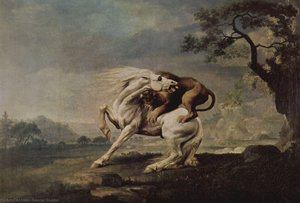
George Stubbs’s “Tiger,” painted in 1771, isn’t merely a depiction of an animal; it's a visceral exploration of power, instinct, and the sublime. This oil painting, now housed within the collections of Google Arts & Culture, immediately commands attention with its dramatic composition and masterful use of light and shadow. The scene unfolds within a shadowy forest, a carefully constructed stage for the tiger’s predatory grace – a creature rendered with an almost unsettling realism that transcends simple representation.
Stubbs, a revolutionary figure in 18th-century art, wasn't content to simply paint what he saw. He was driven by a deep fascination with anatomy and a desire to capture the essence of his subjects – particularly animals – with unparalleled accuracy. His meticulous study of horse musculature informed his approach to painting tigers, resulting in a portrayal that feels both scientifically precise and emotionally charged. The painting’s genesis is linked to Lord Clive, Governor of Bengal, who presented a tiger to the 4th Duke of Marlborough as a gift, prompting Stubbs to create this iconic image.
The painting's impact begins with its texture. Stubbs employed an impasto technique – applying thick layers of paint directly to the canvas – creating a surface that is remarkably tactile. You can almost feel the coarse fur of the tiger, the rough bark of the rocks beneath it, and the damp earth of the forest floor. This deliberate roughness isn’t merely decorative; it contributes significantly to the painting's sense of immediacy and physicality. The brushstrokes themselves are visible, a testament to Stubbs’s painstaking attention to detail and his commitment to capturing the nuances of form.
Furthermore, Stubbs masterfully manipulated light and shadow to create a dramatic atmosphere. The tiger is bathed in a cool, diffused light that highlights its muscular physique and intense gaze. The surrounding forest is plunged into deep shadows, suggesting both danger and mystery. This chiaroscuro effect – the strong contrast between light and dark – not only adds depth to the composition but also evokes a sense of primal tension.
Beyond its technical brilliance, “Tiger” is rich in symbolic meaning. The tiger itself has long been associated with strength, courage, and ferocity—qualities often linked to royalty and power. The setting within the shadowy forest can be interpreted as a metaphor for the unknown, the dangers of the wild, or even the darker aspects of human nature. Considering that this painting was commissioned by a governor of Bengal, it’s not surprising that the tiger embodies colonial ambition and the perceived savagery of the “uncivilized” East.
The historical context is equally important. Stubbs' work emerged during a period of significant change in Europe, marked by the rise of Romanticism – an artistic movement that emphasized emotion, imagination, and the beauty of nature. "Tiger" aligns with these Romantic ideals through its dramatic composition, intense emotionality, and focus on the power of the natural world. It’s a painting that invites contemplation, prompting viewers to consider not only the tiger's predatory instincts but also the broader themes of human ambition, the relationship between humanity and nature, and the allure of the unknown.
“Tiger” remains a compelling work of art centuries after its creation. Its dramatic intensity, technical virtuosity, and rich symbolism continue to captivate audiences today. Whether viewed as a study in animal anatomy, a reflection on colonial power dynamics, or simply a stunning example of 18th-century artistry, George Stubbs’s “Tiger” stands as a testament to the enduring power of art to evoke emotion, stimulate thought, and transport us to another time and place.


1724 - 1806 , United Kingdom

Explore 25 iconic Georges Braque paintings that revolutionized Cubism & modern art. Discover the stories behind his masterpieces, from Fauvism to Analytical Cubism. Find museum-quality reproductions & elevate your home decor with Most-Famous-Paintings.com.
Explore 25 iconic Georges Seurat paintings & discover the brilliance of Pointillism. From 'La Grande Jatte' to his harbor scenes, delve into art history with Most-Famous-Paintings.com. Find museum-quality reproductions for your home decor. Explore the full collection online!

Journey through 18th century art! Explore 10 iconic paintings – from Rococo elegance to Neoclassical grandeur. Discover Fragonard, David & more. Find museum-quality reproductions and elevate your home decor on Most-Famous-Paintings.com.
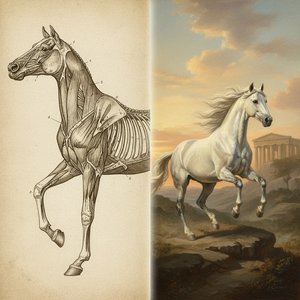
Explore the captivating world of George Stubbs, the 18th-century master renowned for his anatomical precision & Romantic animal paintings. Discover his legacy and investment potential.

Explore the rich history & enduring techniques of oil painting with Most-Famous-Paintings. Discover masterpieces, learn about art collecting, and find authentic handmade reproductions crafted by skilled artists.


Stay updated with the latest art news, exclusive offers, and decoration ideas.
Tell us about your project and our art experts will provide you with 3 personalized art suggestions.
Let Us Curate 3 Options Just for You - Free!


 Buy print
 Send
Send Share
Share
 Details

 Download
 Similars
 X-Ray
X-Ray Diaporama


 Read More







 Glass option is only available in size under 110 CM