x


 Oil On CanvasWallArtNorthern Renaissance
 1515Renaissance
 141.0 x 100.0 cm
 Staatliche Museen
Hand-painted oil on canvas in your size and frame, made to order by our artists.





























Pick from our preset sizes that match the artwork's original proportions.

You may enter your own dimensions to fit a specific frame or space. If your selected size does not match the original image's proportions, we will either crop the artwork or extend the painting with additional hand-painted elements. A digital mockup will be sent for your approval before production begins.
Please note that the on-screen preview does not reflect the actual cropping or extension. Only the mockup will accurately show the final composition.
While custom sizes are available, we recommend selecting a dimension from the predefined list to preserve the original proportions.
Worldwide Delivery () in 3/4 weeks instead of standard 5 weeks. (18 July). No compromise on quality.


Crucifixion
Reproduction Size
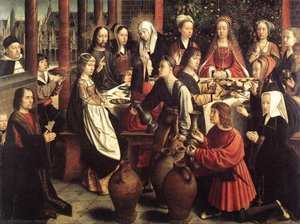
Gerard David's "Crucifixion," completed in 1515, is more than just a depiction of a biblical event; it’s an immersive experience of sorrow and spiritual contemplation. This oil on panel painting, measuring 141 x 100 cm, transcends the limitations of its time to offer a remarkably poignant portrayal of Christ's suffering, firmly rooted in the traditions of Northern Renaissance art. Housed within the Staatliche Museen in Berlin, this work immediately captivates with its masterful use of light and shadow – a technique known as chiaroscuro – that dramatically shapes the scene and evokes a powerful emotional response. David’s skill lies not just in his technical prowess but in his ability to imbue the figures with an almost palpable sense of grief and humanity, making this iconic image eternally relevant.
Created during a period of intense artistic innovation, “Crucifixion” exemplifies the hallmarks of Flemish painting. David’s meticulous attention to detail is immediately apparent in the rendering of each figure – from the delicate folds of the mourners' robes to the expressive anguish etched on Christ’s face. The figures are not idealized; they possess a startling realism that reflects the era’s fascination with observation and human anatomy. The composition itself, while classical in its arrangement—Jesus at the center surrounded by grieving figures—is infused with the Northern Renaissance preference for emotional intensity and psychological depth. This is further evidenced by the play of light and shadow, reminiscent of Jan Van Eyck's work, which creates a sense of volume and draws the viewer’s eye directly to the central figure.
The painting is rich with symbolic meaning, reflecting the profound religious beliefs of the time. The cross itself, naturally, represents Christ's sacrifice and redemption – a cornerstone of Christian theology. Beyond this core symbolism, David incorporates subtle visual cues that deepen the narrative. The women surrounding the cross are often interpreted as representing Mary Magdalene and other female followers, their grief mirroring the universal sorrow associated with loss and suffering. Even the landscape—rolling hills and a distant town—contributes to the overall mood, grounding the scene in a specific geographical context while simultaneously elevating it to a realm of spiritual significance. The use of light, particularly its directional quality, is not merely aesthetic; it’s seen as a symbol of divine enlightenment, echoing interpretations found in works like Alonso Cano's "Cristo en El Limbo."
Gerard David (1450-1523), born in Oudewater, Netherlands, was a pivotal figure in the development of Northern Renaissance art. His career spanned several decades and included leadership roles within workshops in Antwerp and Bruges – vibrant centers of artistic production during his time. Though his reputation waned somewhat in the 17th century, he was later rediscovered by 19th-century art historians who recognized his unique contribution to the movement. “Crucifixion” stands as a testament to David’s enduring legacy, showcasing not only his technical skill but also his profound understanding of human emotion and religious symbolism. It remains a powerful reminder of the timeless themes explored within this iconic work.


1450 - 1523 , Netherlands

Journey through 25 iconic artworks at the Metropolitan Museum of Art! Explore Van Gogh, Monet, Rembrandt & more. Discover art history, inspiring stories, and museum-quality reproductions to elevate your home decor. Explore the full collection on Most-Famous-Paintings.com.
Journey through the Early Renaissance! Explore 10 iconic paintings by Botticelli, Leonardo da Vinci & Michelangelo. Discover their stories, techniques & lasting impact. Find museum-quality art reproductions and elevate your home decor with .

Explore 10 Renaissance Humanism masterpieces by Leonardo da Vinci, Michelangelo & Raphael. Discover the stories behind these iconic paintings & sculptures and bring timeless art into your home with museum-quality reproductions from Most-Famous-Paintings.com. Explore the full collection online!
Journey through Botticelli's world with 25 iconic Renaissance paintings. Explore 'Birth of Venus,' 'Primavera,' and more—stories, techniques & timeless beauty. Find museum-quality art reproductions for your home at Most-Famous-Paintings.com.
Journey through Alte Pinakothek's 25 most iconic paintings! Explore masterpieces by Dürer, Rembrandt & Rubens. Discover art history, techniques & find museum-quality reproductions for your home at Most-Famous-Paintings.com.


Stay updated with the latest art news, exclusive offers, and decoration ideas.
Tell us about your project and our art experts will provide you with 3 personalized art suggestions.
Let Us Curate 3 Options Just for You - Free!


 Buy print
 Send
Send Share
Share
 Details

 Download
 Similars
 X-Ray
X-Ray Diaporama
 Read More







 Glass option is only available in size under 110 CM