


x


 Oil On CanvasWallArtBaroque Painting
 1625
1625 145.0 x 179.0 cm
 Центральний музей
Hand-painted oil on canvas in your size and frame, made to order by our artists.





























Pick from our preset sizes that match the artwork's original proportions.

You may enter your own dimensions to fit a specific frame or space. If your selected size does not match the original image's proportions, we will either crop the artwork or extend the painting with additional hand-painted elements. A digital mockup will be sent for your approval before production begins.
Please note that the on-screen preview does not reflect the actual cropping or extension. Only the mockup will accurately show the final composition.
While custom sizes are available, we recommend selecting a dimension from the predefined list to preserve the original proportions.
Worldwide Delivery () in 3/4 weeks instead of standard 5 weeks. (18 July). No compromise on quality.


Granida and Daifilo
Reproduction Size
Gerard van Honthorst's "Granida and Daifilo," painted in 1625, is more than just a pastoral scene; it’s a meticulously crafted tableau of romance, intrigue, and the dramatic interplay of light and shadow that defined the artist’s signature style. This captivating work, now housed within the collections of esteemed institutions like the Rijksmuseum, offers a glimpse into the burgeoning artistic landscape of 17th-century Holland – a period marked by Caravaggio's profound influence and a fervent embrace of theatrical lighting.
The painting depicts a tender encounter between Granida, a princess from an Eastern kingdom, and Daifilo, a shepherd who has captured her heart. The narrative unfolds amidst a verdant woodland setting, populated with a cast of characters engaged in a delicate dance of courtship and potential conflict. A watchful soldier stands poised to apprehend Daifilo, hinting at the obstacles inherent in their love – a subtle tension that elevates the scene beyond simple idyllic beauty. The composition is remarkably balanced, drawing the eye through a carefully orchestrated arrangement of figures and elements, creating a sense of depth and inviting the viewer into this intimate world.
Honthorst's mastery lies in his ability to evoke atmosphere through masterful manipulation of light. He was deeply influenced by Caravaggio, adopting his signature *tenebrism* – a dramatic contrast between intensely bright highlights and deep shadows. In “Granida and Daifilo,” this technique is particularly evident in the way the figures are illuminated, creating a sense of mystery and drawing attention to their faces and gestures. The dappled sunlight filtering through the trees casts an ethereal glow upon the scene, while pockets of darkness conceal details and heighten the drama.
The artist’s brushwork is remarkably loose and expressive, contributing to the painting's dynamic quality. Notice how he uses rapid, short strokes to define the foliage and create a sense of movement within the landscape. Furthermore, Honthorst skillfully employs color – rich greens, earthy browns, and subtle hints of red – to establish mood and enhance the overall visual impact. The use of warm tones in the foreground contrasts with the cooler shades in the background, creating a compelling depth of field.
“Granida and Daifilo” was commissioned by Stadholder Frederik Hendrik for his residence at Honselaerdijk as one of a series of pastoral paintings intended to adorn his lavish home. The play itself, written by Pieter Hooft, was immensely popular during the Dutch Golden Age, exploring themes of love, loyalty, and social upheaval. The painting’s subject matter – a forbidden romance between a princess and a shepherd – resonated deeply with audiences, reflecting broader anxieties about social hierarchies and the challenges faced by those who dared to defy convention.
Beyond its narrative content, the work is laden with symbolism. The soldier represents societal constraints and the potential for disruption within the established order. The setting itself—a lush woodland—evokes notions of freedom, escape, and the untamed wilderness. Even the sheep present in the scene can be interpreted as symbols of innocence and vulnerability. The inclusion of a bowl suggests hospitality and generosity – elements central to the pastoral ideal.
“Granida and Daifilo” transcends its historical context, offering viewers an enduring sense of beauty and intrigue. The painting’s evocative lighting, dynamic composition, and compelling narrative combine to create a truly captivating experience. It's not merely a depiction of a romantic encounter; it’s a meditation on love, loss, and the delicate balance between desire and duty. The subtle tension within the scene—the impending arrest, the unspoken longing—keeps the viewer engaged long after they’ve turned away, prompting reflection on the complexities of human relationships and the enduring power of art to capture the essence of our emotions.
Reproductions of this masterpiece offer a remarkable opportunity to bring its atmospheric drama into any setting. Consider framing it in a manner that complements its rich palette and dramatic lighting—perhaps against a dark wall to enhance the effect of *tenebrism*, or within a room bathed in natural light to capture the painting’s luminous quality.


1590 - 1656 , Netherlands
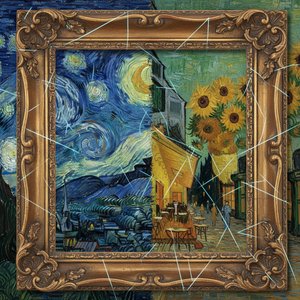
Journey through Vincent van Gogh's 25 most iconic paintings! Explore 'Starry Night', 'Sunflowers,' and more—discover the stories, techniques & emotions behind these Post-Impressionist masterpieces. Find museum-quality art reproductions for your home at Most-Famous-Paintings.com.
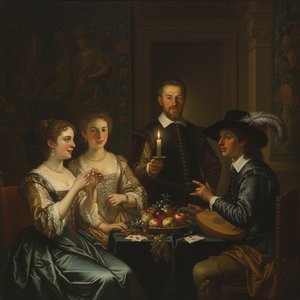
Explore the captivating world of Gerard van Honthorst, a Dutch Golden Age master renowned for his dramatic chiaroscuro & courtly portraits. Discover his life, art, and lasting influence on Baroque painting.
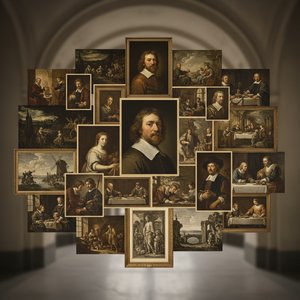
Journey through Rembrandt van Rijn's 25 most iconic paintings & etchings. Explore Dutch Golden Age masterpieces, dramatic chiaroscuro, and timeless portraits. Find museum-quality art reproductions to elevate your home decor on Most-Famous-Paintings.com.
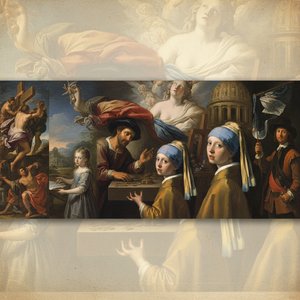
Journey through the drama & grandeur of Baroque art! Explore 10 masterpieces by Caravaggio, Rembrandt, Rubens & more. Discover stunning oil paintings, rich colors & timeless stories. Find museum-quality reproductions at .

Explore the dramatic world of Baroque art! Discover iconic artists like Caravaggio & Rubens, defining techniques, and its lasting impact on art history. Expert insights for collectors & enthusiasts at Most-Famous-Paintings.


Stay updated with the latest art news, exclusive offers, and decoration ideas.
Tell us about your project and our art experts will provide you with 3 personalized art suggestions.
Let Us Curate 3 Options Just for You - Free!


 Buy print
 Send
Send Share
Share
 Details

 Download
 Similars
 X-Ray
X-Ray Diaporama
 Read More







 Glass option is only available in size under 110 CM


