


x

Purchase a high-resolution, enhanced digital image, far superior to the online preview.
Each file is meticulously prepared by our in-house specialists using advanced tools and expert manual retouching. We ensure every image has exceptional clarity, precise color accuracy, and fine detail.
The final file is delivered via email within 72 hours, optimized for immediate use in professional, editorial, and print environments. This is the same quality trusted by top-tier design studios, publishers, and galleries.
Download a high-resolution file for personal display, printing, and creative projects. ( Buy Print Buy Hand Made Painting)
When you choose Most-Famous-Paintings.com, you're not just getting an image - you're receiving a professionally enhanced digital artwork, crafted with precision and backed by a satisfaction guarantee. Here's everything that comes with your order, automatically:

Your high-resolution digital image file will be emailed to you within 72 hours of ordering - ready for immediate use.

Your artwork is professionally optimized using advanced AI tools and manual editing, ensuring maximum detail, clarity, and color accuracy.

Accidentally deleted or lost your file? No worries - we'll resend it to you anytime, free of charge.

Enjoy your artwork instantly with zero customs, duties, or delivery fees - digital downloads are always tax-free.

We ensure your digital image reflects the original colors as closely as possible using professional tools and color management.

If you're not satisfied with your digital image, we'll revise it or refund 100% within 60 days - no questions asked.

Not satisfied? Get a full refund within 60 days of receiving your digital file - no questions asked.

Buy 3 images, save 10% - Buy 5, save 15% - Buy 10+, save 20%. Great for creative projects, galleries, and agencies.
Giuseppe Arcimboldo's "Blackbuck," painted around 1570, isn’t merely a portrait; it’s an intricate puzzle box of nature, symbolism, and the burgeoning intellectual currents of the late Renaissance. This watercolor and gouache masterpiece, now residing in the Österreichische Nationalbibliothek in Vienna, invites viewers to linger over its meticulously arranged components – a stag’s head constructed entirely from fruits, vegetables, and floral elements, culminating in a striking representation of the elusive blackbuck antelope native to India. Arcimboldo, a court painter for Holy Roman Emperors Rudolf II and Maximilian II, pushed beyond conventional portraiture, embracing a style that blended still life with allegory, reflecting a fascination with both the natural world and the complexities of human power.
The painting’s immediate impact is one of delightful surprise. The stag's head, rendered in rich autumnal hues – deep reds, oranges, yellows, and browns – appears remarkably lifelike despite being composed entirely of disparate objects. A cluster of cherries forms the nose, a plump pear serves as the cheekbone, and delicate artichoke leaves frame the antlers. The careful placement of each element isn’t random; it speaks to Arcimboldo's deep understanding of both botany and his deliberate use of symbolism. The blackbuck itself, a creature known for its speed and agility, is subtly represented through the arrangement of these natural components – a testament to the artist’s keen observation and artistic skill.
Arcimboldo's work within the context of the late 16th century reveals a world deeply engaged with philosophical ideas. The Renaissance witnessed a renewed interest in classical antiquity, alongside a growing fascination with Neo-Platonism – a philosophy that sought to reconcile Christian theology with ancient Greek thought. This intellectual climate encouraged artists to imbue their works with layers of meaning, often employing allegorical representations. “Blackbuck” is no exception; it’s believed to be a complex meditation on themes of power, transformation, and the interconnectedness of nature and humanity.
The stag itself is a potent symbol – representing nobility, strength, and virility. Within the Renaissance worldview, animals were frequently used as metaphors for human virtues or vices. The choice of the blackbuck, an animal associated with speed, grace, and resilience, likely carries symbolic weight related to Rudolf II’s reign, reflecting his ambition and strategic prowess. Furthermore, the inclusion of fruits and vegetables – symbols of abundance, fertility, and earthly pleasures – suggests a celebration of the material world alongside its spiritual dimensions.
Arcimboldo's technical skill is undeniable. The painting demonstrates an extraordinary level of detail and precision in the rendering of each individual element. He masterfully manipulated watercolor and gouache to create subtle gradations of color, textures, and shadows, lending a remarkable sense of realism to the composite portrait. The artist’s ability to seamlessly integrate disparate objects into a cohesive whole is truly astonishing – a testament to his artistic vision and meticulous execution.
Notice how Arcimboldo utilizes negative space effectively. The background remains relatively plain, allowing the vibrant colors and intricate details of the stag's head to take center stage. This strategic use of contrast further enhances the painting’s visual impact and draws the viewer’s eye to the carefully arranged components. The delicate layering of elements – from the smooth curves of the pear to the textured leaves of the artichoke – creates a dynamic composition that is both visually engaging and intellectually stimulating.
"Blackbuck" transcends its immediate subject matter, offering a glimpse into the artistic and intellectual landscape of the Renaissance. It’s a captivating riddle wrapped in beauty, inviting viewers to contemplate the relationship between nature, power, and human perception. Arcimboldo's innovative approach to portraiture paved the way for future generations of artists who sought to challenge conventional boundaries and explore new forms of visual expression. Today, “Blackbuck” remains a testament to the artist’s genius – a timeless masterpiece that continues to fascinate and inspire.

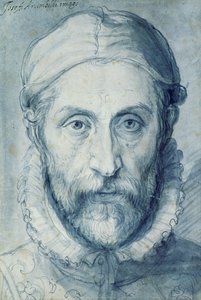
1527 - 1593 , Italy


Stay updated with the latest art news, exclusive offers, and decoration ideas.
Tell us about your project and our art experts will provide you with 3 personalized art suggestions.
Let Us Curate 3 Options Just for You - Free!


 Preview
 Send
Send Share
Share
 Details

 Download
 Similars
 X-Ray
X-Ray Diaporama


 Read More


