x


 Acrylic On CanvasWallArtArt Nouveau
 1906
1906 44.0 x 31.0 cm
 National Gallery of Canada
Purchase a high-resolution, enhanced digital image, far superior to the online preview.
Each file is meticulously prepared by our in-house specialists using advanced tools and expert manual retouching. We ensure every image has exceptional clarity, precise color accuracy, and fine detail.
The final file is delivered via email within 72 hours, optimized for immediate use in professional, editorial, and print environments. This is the same quality trusted by top-tier design studios, publishers, and galleries.
Download a high-resolution file for personal display, printing, and creative projects. ( Switch to Print Switch to hand made Painting)
When you choose Most-Famous-Paintings.com, you're not just getting an image - you're receiving a professionally enhanced digital artwork, crafted with precision and backed by a satisfaction guarantee. Here's everything that comes with your order, automatically:

Your high-resolution digital image file will be emailed to you within 72 hours of ordering - ready for immediate use.

Your artwork is professionally optimized using advanced AI tools and manual editing, ensuring maximum detail, clarity, and color accuracy.

Accidentally deleted or lost your file? No worries - we'll resend it to you anytime, free of charge.

Enjoy your artwork instantly with zero customs, duties, or delivery fees - digital downloads are always tax-free.

We ensure your digital image reflects the original colors as closely as possible using professional tools and color management.

If you're not satisfied with your digital image, we'll revise it or refund 100% within 60 days - no questions asked.

Not satisfied? Get a full refund within 60 days of receiving your digital file - no questions asked.

Buy 3 images, save 10% - Buy 5, save 15% - Buy 10+, save 20%. Great for creative projects, galleries, and agencies.
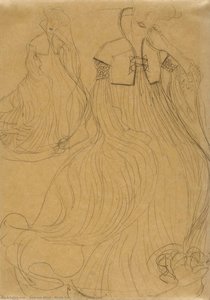
This exquisite study, executed in 1906 by the Austrian Symbolist painter Gustav Klimt, offers a rare glimpse into the artist's process and a poignant meditation on domesticity and introspection. The drawing captures a woman seated comfortably in bed, her posture relaxed yet alert, a book resting gently upon her lap. The scene is deceptively simple, yet brimming with subtle details that speak volumes about Klimt’s evolving artistic vision and his fascination with the human psyche. It's not merely a portrait; it’s a carefully constructed tableau designed to evoke a specific mood – one of quiet contemplation, perhaps even melancholy.
Klimt’s artistic journey was marked by a constant experimentation, culminating in his signature style that blended Symbolism, Art Nouveau, and elements of Byzantine art. This study demonstrates a crucial transitional phase. While still rooted in the realism of his earlier works, we begin to see the seeds of the opulent ornamentation and decorative patterns that would characterize his later masterpieces, particularly “The Kiss.” The use of charcoal is deliberate; it provides a foundation for layering and building up tonal values, allowing Klimt to capture both the softness of the woman’s skin and the texture of the fabrics. Crucially, this piece foreshadows the incorporation of gold leaf – a technique he would fully embrace in his final paintings—though its presence here is subtle, hinting at the richness that was to come.
Technique Notes:To understand this study fully, we must consider the broader context of Klimt's life and artistic concerns during this period. Vienna at the turn of the century was a city undergoing rapid social and cultural change—a vibrant hub of art, music, and intellectual discourse. Klimt, like many artists of his generation, was deeply engaged with these developments, exploring themes of sexuality, mortality, and the search for meaning in a rapidly modernizing world. The woman in this drawing could be interpreted as representing the ideal of feminine beauty – a figure both vulnerable and strong, caught in a moment of quiet reflection. The clock, a recurring motif in Klimt’s work, often symbolizes the passage of time and the inevitability of death. It serves as a subtle reminder of life's fleeting nature.
Historical Context:Despite its seemingly simple subject matter, this study possesses a remarkable emotional depth. The woman's gaze is averted, suggesting a private world of thoughts and feelings. The arrangement of the room—the comfortable furniture, the book in her lap—creates an atmosphere of intimacy and tranquility. Klimt masterfully captures not just a physical likeness but also a sense of inner life – a quiet moment of contemplation that invites the viewer to share in the woman’s solitude. This reproduction offers a unique opportunity to connect with one of Klimt's most intimate and revealing works, bringing a touch of timeless beauty and profound introspection into your home or studio.

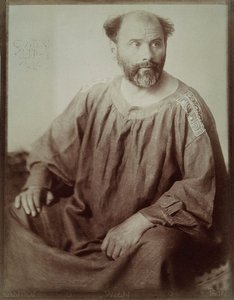
1862 - 1918 , Austria


Stay updated with the latest art news, exclusive offers, and decoration ideas.
Tell us about your project and our art experts will provide you with 3 personalized art suggestions.
Let Us Curate 3 Options Just for You - Free!


 Preview
 Send
Send Share
Share
 Details

 Download
 Similars
 X-Ray
X-Ray Diaporama
 Read More