


x

Museum-quality giclée or canvas print with fast production and flexible finish options. ( Buy Hand Made Painting Buy Image)





























Pick from our preset sizes that match the artwork's original proportions.

You may enter your own dimensions to fit a specific frame or space. If your selected size does not match the original image's proportions, we will either crop the artwork or extend the image with a mirrored or solid-fill edge. A digital mockup will be sent for your approval before production begins.
Please note that the on-screen preview does not reflect the actual cropping or extension. Only the mockup will accurately show the final composition.
While custom sizes are available, we recommend selecting a dimension from the predefined list to preserve the original proportions.
Worldwide Delivery () in 2 weeks instead of standard 4/5 weeks. (21 August)


Oreste
Reproduction Size
In the quiet, shadowed corridors of late 19th-century Symbolism, few works command the room with as much psychological gravity as Gustave Moreau’s Oreste. Painted around 1895, this masterpiece serves as a profound invitation into a meticulously crafted dreamscape, designed to provoke deep contemplation and resonate with the unspoken tensions of the human soul. The scene captures a solemn gathering around a dining table, bathed in a subdued, ethereal light that instantly establishes an atmosphere of hushed reverence. It is not merely a depiction of figures in a room; it is a window into a world where the boundaries between reality and myth are perpetually blurred.
The composition draws the viewer into a moment of heavy deliberation. A group of individuals sits at the table, their postures conveying a weight of seriousness that transcends the physical setting. As one gazes upon the scene, the presence of a simple bowl resting upon the tabletop hints at something far deeper than mere sustenance; it acts as a symbolic anchor for the complexities of life and ritual. The room itself, dimly lit and shrouded in mystery, creates an intimate yet hauntingly vast space where every shadow seems to hold a secret, making it an extraordinary focal point for any collection seeking to evoke intrigue and intellectual depth.
Moreau’s mastery is most evident in his signature use of technique, specifically his employment of tempera on canvas. This method allowed him to achieve a remarkable luminosity and subtle tonal gradations that are essential for conveying the ethereal quality demanded by the Symbolist movement. His brushwork, though contributing to an overall impression of stillness, is punctuated by expressive gestures and an opulent ornamentation that defines his unique aesthetic. Every detail, from the texture of the garments to the play of light on the tabletop, is rendered with a meticulousness that rewards prolonged observation.
Beyond the surface beauty lies a dense web of symbolism rooted in the intellectual ferment of Paris. During a period when thinkers like Nietzsche and Freud were beginning to reshape our understanding of the psyche, Moreau drew heavily from the ancient echoes of Homer’s Iliad. The figures within the composition, reminiscent of deities such as Zeus and Hera, are not presented as benevolent rulers but as embodiments of primal, often unsettling, forces. The bowl on the table serves as a potent symbol of sacrifice and ritual, reflecting Moreau's preoccupation with the spiritual and the cyclical nature of mythic tragedy. For the discerning collector or interior designer, this painting offers more than decoration; it provides a narrative layer of profound spiritual and psychological complexity.
For those looking to curate an environment of sophistication and thought-provoking beauty, Oreste offers an unparalleled emotional impact. The painting’s ability to anchor a room with its dark, moody palette and dramatic composition makes it a versatile choice for high-end residential or gallery settings. It possesses a timeless quality that bridges the gap between the classical past and the modern fascination with the subconscious.
Whether displayed in a quiet study, a formal dining area, or a contemporary living space, a high-quality reproduction of this work brings with it the prestige of art history. It invites guests to linger, to wonder, and to engage with the shadows. To possess such a piece is to hold a fragment of Moreau’s "dream weaver" legacy, allowing the haunting beauty of Symbolism to breathe life into the modern architectural landscape.

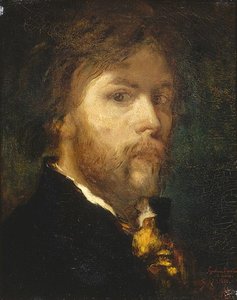
1826 - 1898 , France

Explore 10 iconic white paintings by Monet, Whistler & Rothko! Discover the stories behind these serene masterpieces and their impact on art history. Find museum-quality reproductions for your home decor at .

Elevate your dining room with expertly curated art reproductions! Explore historical context, aesthetic considerations & modern applications for a captivating space. Discover the perfect artwork to inspire conversation and enhance every meal.

Explore 10 iconic paintings dominated by black tones, from Rembrandt’s chiaroscuro to Goya's dark expressions. Discover the stories behind these masterpieces & find museum-quality art reproductions for your home at .

Explore the power of black, white & gray abstraction in modern interior design. Discover how minimalist art impacts spatial perception & creates sophisticated hotel spaces. Expert insights for designers.

Elevate your dining room with the luminous beauty of Impressionist masterpieces. Discover how hand-painted Claude Monet and Renoir reproductions can transform your space into a sanctuary of light, color, and timeless elegance for your home.


Stay updated with the latest art news, exclusive offers, and decoration ideas.
Tell us about your project and our art experts will provide you with 3 personalized art suggestions.
Let Us Curate 3 Options Just for You - Free!


 Preview
 Send
Send Share
Share
 Details

 Download
 Similars
 X-Ray
X-Ray Diaporama

 Read More







 Glass option is only available in size under 110 CM


