x

 Oil On CanvasWallArtFauvism
 1905Modern
 60.0 x 73.0 cm
Museum-quality giclée or canvas print with fast production and flexible finish options. ( Buy Hand Made Painting Buy Image)





























Pick from our preset sizes that match the artwork's original proportions.

You may enter your own dimensions to fit a specific frame or space. If your selected size does not match the original image's proportions, we will either crop the artwork or extend the image with a mirrored or solid-fill edge. A digital mockup will be sent for your approval before production begins.
Please note that the on-screen preview does not reflect the actual cropping or extension. Only the mockup will accurately show the final composition.
While custom sizes are available, we recommend selecting a dimension from the predefined list to preserve the original proportions.
Worldwide Delivery () in 2 weeks instead of standard 4/5 weeks. (20 August)


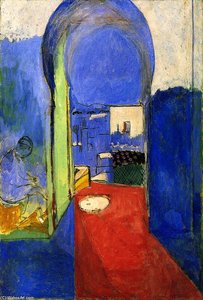
Collioure Interior
Reproduction Size
“Collioure Interior” transports viewers to a serene domestic scene in the picturesque town of Collioure, France. The painting depicts a woman seated comfortably on a bench near a window, tenderly holding a baby while gazing out at the vibrant landscape beyond. The room itself is simply furnished with a bed and two chairs, creating an intimate atmosphere. However, it's Matisse’s bold use of color that truly brings the scene to life. The foreground bursts with reds, greens, and yellows, contrasting beautifully with the tranquil backdrop of the Collioure scenery visible through the window.
This artwork is a prime example of Fauvism, an art movement that emerged in France around 1905. "Fauves" translates to “wild beasts,” reflecting the critics’ initial reaction to the movement's unconventional use of color and energetic brushstrokes. Henri Matisse was one of its leading figures. Fauvist artists rejected traditional techniques of realistic representation, instead prioritizing emotional expression through vibrant, non-naturalistic colors. They sought to liberate color from its descriptive function, using it purely for aesthetic impact.
While seemingly a simple domestic scene, "Collioure Interior" carries deeper symbolic weight. The woman's gaze towards the landscape suggests a longing or contemplation, while the presence of the baby evokes themes of motherhood and familial love. The intense colors aren’t meant to accurately depict reality but rather to convey Matisse’s emotional response to the scene. The painting exudes a sense of warmth, tranquility, and joy—a celebration of life's simple pleasures. The bold color choices create an almost dreamlike quality, inviting viewers to immerse themselves in the artist's subjective experience.
Painted during Matisse’s time spent in Collioure, "Collioure Interior" reflects a period of artistic experimentation and innovation. It marks a significant step towards abstraction in Matisse’s work, as he increasingly prioritized color and form over realistic representation. The painting's influence can be seen in subsequent generations of artists who embraced bold colors and expressive brushwork. It remains an iconic example of Fauvism and a testament to Matisse’s enduring legacy as one of the most important figures in modern art.


1869 - 1954 , France
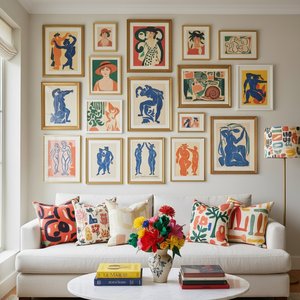
Journey through Henri Matisse's 25 most iconic paintings! Explore Fauvism, vibrant colors & the stories behind masterpieces like 'The Dance'. Find museum-quality art reproductions and curated decor ideas to elevate your space. Discover all masterpieces on Most-Famous-Paintings.com.

Explore 10 Fauvist masterpieces by Matisse, Derain & Vlaminck that ignited Modern Art! Discover bold colors, expressionist landscapes & the history of this revolutionary movement. Find museum-quality prints at Most-Famous-Paintings.com.
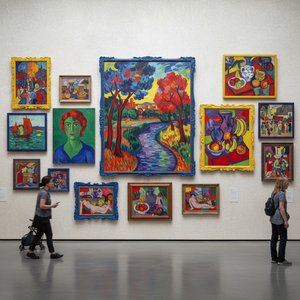
Explore the revolutionary world of Fauvism! Discover 10 masterpieces by Matisse, Derain & Vlaminck that defined this bold art movement. Find museum-quality reproductions and vibrant canvas prints to elevate your home decor at .

Explore the revolutionary art of Henri Matisse! Discover his bold use of color, Fauvist origins, and lasting impact on modern painting. A comprehensive guide for art enthusiasts.

Explore the revolutionary Fauvism movement & Henri Matisse's bold use of color! Discover key characteristics, iconic artworks, and its lasting impact on modern art history with Most-Famous-Paintings.


Stay updated with the latest art news, exclusive offers, and decoration ideas.
Tell us about your project and our art experts will provide you with 3 personalized art suggestions.
Let Us Curate 3 Options Just for You - Free!


 Preview
 Send
Send Share
Share
 Details

 Download
 Similars
 X-Ray
X-Ray Diaporama
 Read More







 Glass option is only available in size under 110 CM