x

Hand-painted oil on canvas in your size and frame, made to order by our artists. ( Buy Print Buy Image)





























Pick from our preset sizes that match the artwork's original proportions.

You may enter your own dimensions to fit a specific frame or space. If your selected size does not match the original image's proportions, we will either crop the artwork or extend the painting with additional hand-painted elements. A digital mockup will be sent for your approval before production begins.
Please note that the on-screen preview does not reflect the actual cropping or extension. Only the mockup will accurately show the final composition.
While custom sizes are available, we recommend selecting a dimension from the predefined list to preserve the original proportions.
Worldwide Delivery () in 3/4 weeks instead of standard 5 weeks. (19 August). No compromise on quality.


Odalisques
Reproduction Size
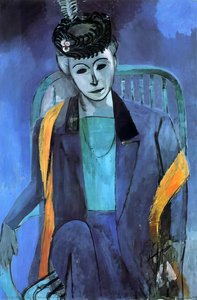
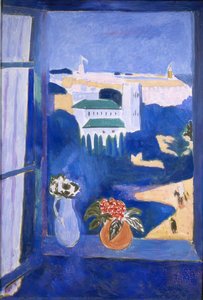
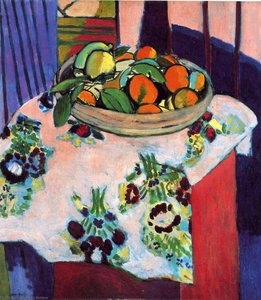
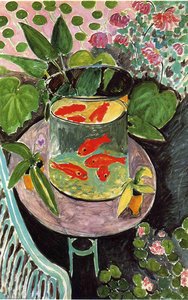
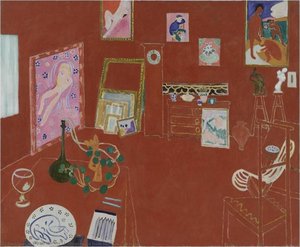
Henri Matisse's *Odalisques*, a series of paintings begun in 1924, represent a pivotal moment in the artist’s career – a bold exploration of color, form, and the very essence of female beauty. These aren’t simply depictions of reclining women; they are carefully constructed theatrical vignettes, imbued with a potent blend of sensuality, exoticism, and Matisse's signature joyful abstraction. The series, comprised of six paintings, offers a fascinating study in how Matisse wrestled with representation, ultimately prioritizing the emotional impact of color and line over strict adherence to realism.
The *Odalisques* emerged during a period when Matisse was deeply influenced by his time in Tahiti. The vibrant hues of the South Pacific – the intense blues of the water, the fiery oranges of the sunsets, the lush greens of the vegetation – found their way onto his canvases. This influence is immediately apparent in these paintings. The backgrounds are deliberately hazy and undefined, almost dreamlike, creating a sense of distance and mystery. They’re not landscapes to be observed, but rather atmospheric screens upon which the figures emerge as luminous presences. Matisse masterfully employs color not just for decorative effect, but as a primary means of conveying mood and emotion. The dominant palette – rich reds, deep blues, vibrant yellows, and shocking pinks – pulsates with energy, drawing the viewer into the intimate world of the women.
Matisse’s approach to depicting the human form in *Odalisques* is revolutionary. He deliberately simplifies shapes, reducing figures to their essential geometric forms – circles, triangles, and rectangles. This simplification isn't a rejection of beauty; rather, it’s an elevation of its underlying structure. The women are not rendered with meticulous detail but with bold, confident strokes of paint. The lines themselves become the subject matter, creating a dynamic interplay between form and space. Notice how the figures seem to float within their surroundings, partially obscured by the hazy background, further emphasizing their ethereal quality. The composition is carefully balanced, drawing the eye across the canvas through a series of overlapping planes and contrasting colors.
The term “Odalisque” itself carries significant historical weight, referring to female slaves in Ottoman harems. While Matisse never explicitly stated his intentions regarding this association, it’s undeniable that the paintings evoke a sense of exotic allure and veiled sensuality. The women are presented as figures of contemplation and repose, inviting the viewer to imagine their inner lives. The presence of objects – vases, bowls, bottles – adds layers of meaning, suggesting a space of leisure and quiet intimacy. These aren’t merely props; they contribute to the overall atmosphere of luxurious relaxation and unspoken connection between the women. The arrangement feels deliberately staged, like a still life infused with human drama.
*Odalisques* stands as a testament to Matisse’s lifelong pursuit of capturing the essence of beauty through color and line. These paintings represent a crucial step in his development, moving away from earlier, more naturalistic works towards a bolder, more expressive style. They are not simply beautiful images; they are windows into Matisse's artistic vision – a world where form and color dance together to create an experience of pure joy and sensual delight. A high-quality reproduction allows one to appreciate the intricate details of his technique and the profound emotional resonance of this iconic series, bringing a touch of Matisse’s vibrant spirit into any space.


1869 - 1954 , France

Explore the vibrant revolution of Fauvism. Discover how masters like Henri Matisse liberated color from reality to express pure emotion. A deep dive into art history for students and collectors seeking to understand the 'Wild Beasts' of modern art.


Stay updated with the latest art news, exclusive offers, and decoration ideas.
Tell us about your project and our art experts will provide you with 3 personalized art suggestions.
Let Us Curate 3 Options Just for You - Free!


 Preview
 Send
Send Share
Share
 Details

 Download
 Similars
 X-Ray
X-Ray Diaporama
 Read More







 Glass option is only available in size under 110 CM